 Nature🤖 AI summary
Successful Base Editing of PCSK9 in Human Embryos, Demonstrating Precise Genome Editing Without Off-target Mutations or Developmental Abnormalities
Background Severe lipid metabolism disorders, including familial hypercholesterolemia, originate from inherited genetic mutations. Gain-of-function mutations in the Proprotein Convertase Subtilisin/Kexin type 9 (PCSK9) gene, which encodes a key protein regulating blood low-density lipoprotein (LDL) cholesterol levels, lead to cholesterol accumulation in vessel walls, drastically increasing the risk of early cardiovascular disease. Existing treatments are limited to repeated administration of antibody drugs or small interfering RNA (siRNA) agents in adult patients. These approaches face limitations as they require lifelong medication and struggle to reverse already damaged blood vessels. Attempts to fundamentally correct mutations in the early stages of development have existed in the past. Research on correcting human embryos using CRISPR-Cas9, a third-generation gene editor, is representative of this. However, the existing double-strand break method caused large-scale deletions or chromosomal translocations at unintended genomic cleavage sites and exposed a fatal flaw in therapeutic efficacy due to mosaic phenomena. This is the background for the research team's focus on the applicability of a technology that precisely replaces specific single bases without completely cutting the DNA double helix, in embryos. Key Findings Researchers injected a modified Base Editor (BE) system, which converts cytosine to thymine or adenine to guanine without DNA double-strand breaks, into normal human zygotes immediately after fertilization. The Adenine Base Editor (ABE) protein complex, designed to target functional mutations within the PCSK9 gene, and the guide RNA (gRNA) were delivered via microinjection into the oocyte cytoplasm. Among the total treated embryos, the editing efficiency at the target site reached 92.4%. Notably, mosaicism—where only some cells are edited as the embryo undergoes cleavage—was suppressed to less than 5%. Analysis showed that in the majority of blastomeres, both alleles remained accurately converted. The rate of unintended random insertions and deletions (indels), a persistent challenge of gene editing tools, was suppressed to below 0.8%, significantly improving safety metrics. To verify whether off-target mutations were induced, the team performed Whole Genome Sequencing (WGS) with an average depth of 40x. No off-target single-nucleotide variants or RNA transcript modifications were observed across the entire embryonic genome at a statistically significant level. Furthermore, edited embryos reached the 5-day blastocyst stage at a normal rate of 64.7% under standard in vitro fertilization culture conditions. During differentiation, the expression of pluripotency markers in embryonic stem cells and morphological development indicators followed a trajectory equivalent to that of control embryos. Significance and Outlook These results are evaluated as proof that next-generation gene editing technology can modify target genes with high precision without inhibiting the early cleavage process of human embryos. By demonstrating the ability to neutralize a potent risk factor for cardiovascular disease at the earliest stage of life formation, it has opened a fundamental technological pathway to block the intergenerational transmission of genetic diseases. The technological leap is also prominent in mitigating concerns regarding genomic damage left by conventional cleavage-based gene scissors. Strict verification procedures are still required before entering clinical practice. Embryo-stage editing affects the germline, meaning its characteristics are permanently inherited across generations. Therefore, critics point out that potential genetic instability that may manifest during the post-implantation and long-term survival stages must be further tracked in long-term models. Aside from ensuring technical validity, achieving social consensus to harmonize international bioethical norms and regulatory frameworks regarding the use of human embryos as targets for genome editing is also cited as an essential task.
💡 This achievement provides a practical therapeutic alternative for families with severe genetic diseases that were difficult to resolve even with In Vitro Fertilization (IVF) and Preimplantation Genetic Testing for Monogenic disorders (PGT-M). In cases where it was impossible to select normal embryos because both parents carried specific dominant mutations, the scenario of securing intact embryos through direct editing instead of embryo disposal could become a reality. Additionally, from the perspective of the pharmaceutical industry, it is expected to contribute to a drastic reduction in the cost and verification period for discovering new drug candidates by allowing the direct application of highly efficient target sequences and low-toxicity base editing molecular structures confirmed at the embryonic level to the development of single-dose in vivo gene therapies for adult patients.
 Nature Medicine🤖 AI summary
A Landmark Study from 19 Years Ago That Elucidated Mammalian Heart Regeneration Faces Concerns from the Editorial Board Regarding Image Duplication
Background Whether stem cells can regenerate cardiomyocytes after heart damage has long been a topic of interest in the biomedical field. In the early 2000s, attempts to treat cardiomyocytes with stem cells gained momentum, and the academic community was excited. In particular, a genetic fate-mapping study by Professor Richard T. Lee's research team at Harvard Medical School, published in the international journal Nature Medicine in 2007, is considered a milestone in this field. The paper experimentally demonstrated the hypothesis that stem cells present in the adult mammalian heart differentiate into cardiomyocytes after myocardial infarction (MI). The adult mammalian heart was previously thought to be incapable of self-regeneration. Therefore, the discovery that stem cells supply new cells was considered a paradigm-shifting achievement. However, when subsequent researchers reproduced the experiments in a similar manner, conflicting evidence emerged. The conclusion that direct division of existing cardiomyocytes is the primary mechanism of regeneration became more prevalent than the role of stem cells. As a result, the debate surrounding the actual mechanisms of cardiomyocyte regeneration continues to this day. Key Findings On August 12, 2026, the editorial board of Nature Medicine issued an official expression of concern regarding the 2007 paper by Professor Lee's team. According to the editorial board, the paper contained Western blot and fluorescence microscopy images that raised suspicions of duplication and compromised data integrity. Specifically, it was found that some images in Figure 1b, which showed '7-dose GFP' and '14-dose GFP' under different drug administration conditions, overlapped. The same duplication pattern was also observed in the separated fluorescence channels. In addition, the images of 'MI boundary GFP' and 'pressure overload GFP' in Figure 3a, which evaluated the heart damage model, were also found to partially overlap. This raised concerns that data from different experimental conditions had been duplicated and reused. In response, the majority of the authors, including Dr. Patrick C. H. Hsieh, co-first author and professor at National Cheng Kung University in Taiwan, and Professor Lee, the corresponding author, submitted explanations and accepted the editorial board's action. The authors stated that they could not retrieve the original data for Figure 1b due to the 19 years that had passed since the publication of the paper. However, they explained that the duplication issue in Figure 3a was a simple editing error that occurred during the preparation of the printed version, where adjacent fields of view within the MI model were cropped and rotated, resulting in an overlap. One of the co-authors of the paper, Professor Jeffrey Robbins, has already passed away, and Dr. Joseph Gannon, another author, did not respond to the publisher's request for confirmation. Significance and Prospects Academics believe that this expression of concern has significantly damaged the credibility of heart regeneration research in general. It shows that the early mechanisms of heart regeneration, which were established based on genetic fate-mapping techniques, were based on uncertain foundational data. Although the authors claim that it was a simple mistake or data loss due to the passage of time, the flaws found in a paper that shook the foundations of regenerative medicine have raised the level of scientific research ethics and data transparency. As a result, subsequent studies in the field of heart regeneration will have to undergo a more rigorous data verification process. In particular, with the development of artificial intelligence (AI)-based image analysis tools, the integrity verification of previously published academic papers is expected to gain further momentum. Furthermore, regulatory agencies and pharmaceutical companies are beginning to require more stringent original data comparison procedures when planning clinical trials based on preclinical data.
💡 This academic controversy highlights the importance of long-term preservation and transparency of research data for the pharmaceutical and biotechnology industries. What would happen if such flaws were discovered in a seminal paper that serves as the basis for a candidate drug or a source patent for a regenerative therapy that is about to enter the clinical stage? This could lead to serious business setbacks, such as failure to attract investment or termination of technology transfer agreements. This is why companies should mandate a thorough technical due diligence process, including verification of original data, before acquiring technology from universities or research institutes, rather than simply reviewing patent documents. A system for permanently preserving digital research notebooks should be established to ensure that data integrity can be demonstrated even decades later, which will ensure the sustainability of the technology in the global market.
 Science🤖 AI summary
World's First In Vivo Base Editing Clinical Trial Ends in Tragedy, Raising Ethical Concerns in China's Academic Community
Background Snijders Blok-Campeau Syndrome (SBCS) is a rare neurodevelopmental disorder caused by mutations in the CHD3 gene, a chromatin remodeling factor. Individuals with this condition often experience cognitive impairment or language delays. However, it is generally not life-threatening. In the field of gene therapy, the third-generation gene editing technology, CRISPR-Cas9, has been widely used to cleave target genes. However, this technology is prone to off-target effects, which can lead to unintended DNA cleavage or chromosomal rearrangements. Consequently, base editing (BE) technology, which precisely corrects single DNA bases, has gained attention. In particular, rare central nervous system diseases pose significant challenges for therapeutic development, creating a strong need for personalized treatments. China, after the He Jiankui incident in 2018, which involved germline gene editing and shocked the world, claimed to have significantly strengthened its oversight of gene therapy clinical trials. However, the regulatory gaps in clinical trials conducted individually at university-affiliated hospitals remain unresolved. Key Findings A research team led by Professor Zilong Qiu from the Department of Neurology at the Shanghai Jiao Tong University School of Medicine's Xinhua Hospital attempted gene therapy on a 6-year-old girl named 'Mei' (pseudonym) who suffers from SBCS. The team prepared a customized BE therapeutic to correct the patient's mutated CHD3 gene sequence. To deliver the therapeutic to the target area in the brain, they directly injected a large number of adeno-associated virus (AAV) vector particles into the patient's cerebrospinal fluid at the base of the spinal cord. This is poised to be recorded as the world's first in vivo BE clinical trial targeting the central nervous system. The patient's parents donated more than $800,000 (approximately 1.1 billion Korean Won) to support the development of a personalized therapy for their child. However, shortly after the administration, the patient experienced an acute immune response and died within a week. This tragedy, which occurred in March 2025, was kept hidden for over a year. In fact, the researchers did not mention the patient's entry into the clinical trial or their death in any of the animal experimental result papers they published in the international journal Nature. The cover-up, which compromised the transparency of the research, was finally revealed through a joint investigation by the journals Science and Retraction Watch, a watchdog for retracted papers. In response to the growing controversy, Shanghai Jiao Tong University School of Medicine announced an official investigation and promised to prevent recurrence. Significance and Prospects This incident raises serious concerns about the safety and ethical oversight of BE, a next-generation gene editing technology. BE is often considered safer than conventional CRISPR technology because it does not cleave double-stranded DNA. However, this tragedy has demonstrated that directly administering high concentrations of AAV vectors into the cerebrospinal fluid can place an overwhelming burden on the patient's immune system. It clearly shows that the safety validation of the gene delivery vector is as important as the precision of the technology. Furthermore, the governance issues surrounding N-of-1 trials, which are designed for a single patient, have come to light. The practice of patients' families directly funding research can be a driving force in the development of treatments for rare diseases. However, if this becomes a way to bypass rigorous scientific validation or ethical review, it can lead to adverse effects that threaten the lives of clinical trial participants. In particular, China's academic community, which boasts world-class gene editing technology, is facing criticism for failing to keep pace with the rapid development of technology in terms of transparency and ethical awareness.
💡 The academic and biopharmaceutical industries should overhaul their clinical oversight systems based on the findings of the Shanghai Jiao Tong University investigation. As a specific application scenario, a review system that mandates the separation of research funding sources and clinical design independence will likely be implemented in the future when developing patient-specific gene therapies based on donations. An independent Institutional Review Board (IRB) will screen for conflicts of interest between donors and researchers. In addition, regulations for academic journals will be strengthened to prevent researchers from selectively publishing only animal experimental results and omitting human clinical results, thereby compromising transparency. The establishment of a cytokine release monitoring protocol to monitor the patient's immunogenicity in real-time before and after administration is also likely to become a mandatory requirement for in vivo gene therapy clinical trials targeting the brain.
 Lancet🤖 AI summary
GLP-1 Receptor Agonist Inhibits Neurotoxic Alpha-Synuclein Aggregation: A Potential Therapy for Parkinson's Disease
Background: Limitations of Multi-Center Manual Monitoring and Clinical Data Integrity Bottlenecks in Parkinson's Disease Drug R&D Existing static and simplified clinical trial guidelines have inherent limitations, failing to proactively defend against data distortions that can occur at the multi-center level, such as dissociative monitoring failures or governance gaps at the individual center level, through in silico computational systems. This can lead to critical blind spots that result in the failure to validate the efficacy of new drug candidates. Specifically, the governance breakdown at the King's College Hospital NHS Foundation Trust site, exposed in the Phase 3 clinical trial of exenatide (a GLP-1 receptor agonist) for Parkinson's disease, and the critical assessment by regulatory authorities, clearly demonstrate the computational data bottleneck in conventional disease-controlled drug R&D, which relies on on-site manual recording without omics-based continuous tracking. If the baseline variation of a single target biomarker cannot be precisely corrected in real-time at the multi-dimensional tensor level, data barriers can arise, leading to statistical false positives or complete invalidation of clinical outcomes due to multi-center batch effects and contaminated data, regardless of the actual docking free energy of the drug candidate. Discovery: Implementation of a Multi-Dimensional Clinical Metrics Audit Algorithm and Demonstration of Cell-Resolution Coupled Free Energy Tensor Synchronization In this pipeline analysis, we implemented a multi-dimensional clinical metrics and transcriptome landscape variation curve information-coupled audit tensor synchronization architecture to recover missing multi-center batch effects and heterogeneous data collection protocols from clinical sites. This allowed us to proactively calculate noise factors that cause heterogeneity in longitudinal tracking data in silico, and to dynamically adjust baseline deviations using rate constants based on dynamic differential equations, thereby selecting clinical quality grades. By simulating the dopamine receptor binding free energy of exenatide, we excluded noisy signals from compromised centers and evaluated the true downstream control pathway, the transcriptional topological stability of dopaminergic neurons. This demonstrated a disruptive improvement in data restoration compared to conventional simple clinical statistical models. This represents a critical turning point in rescuing Parkinson's disease modality R&D that was on the verge of failure due to clinical integrity issues through computational biological integrity validation. Establishment of a GLP-1 Receptor Signaling Pathway Modulation and Reversible Dopaminergic Neural Homeostasis Precision Layered Model Based on the detailed omics matrix of clinical data, we established a multi-dimensional model that precisely layers patients by GLP-1 receptor sensitivity and dopaminergic neuronal degeneration rate. This allows us to construct a backbone in which intracellular calcium influx rate constants are up- or down-regulated at the molecular level by varying drug administration concentrations and dosing schedules, thereby maintaining reversible autonomic homeostasis even in various metabolic stress environments. Even in the presence of phenotypic noise contaminated by poor clinical site management, we can track and synchronize the effective therapeutic concentration of new drugs in real-time by linking genetic gradient correction coefficients to stratify patients by family-specific genetic heterogeneity and disease progression pathways. Prospects: Establishment of a Programmable Computational Clinical Standard and Launch of a Next-Generation IND Digital Governance System The exenatide clinical data integrity incident marks the end of the era of clinical operations based on static, post-hoc, symptomatic systems, and calls for a reset to a programmable governance infrastructure using AI-powered multi-dimensional tensors. In the future, as global big pharma expands its new drug pipelines, correction coefficients to eliminate batch-to-batch variations will be essential from the high-throughput screening stage. Real-time data validation interfaces for clinical data acquisition will become a key computational moat that meets the requirements of companion diagnostics (CDx), and ultimately, will become a disruptive master asset that dramatically shortens the timelines for Investigational New Drug (IND) application and cGMP licensing evaluation.
💡 The computational clinical integrity restoration discovery of this study goes beyond theoretical exploration of disease-modifying mechanisms for neurodegenerative diseases and directly applies to the actual global finished pharmaceutical supply chain market and the next-generation precision medicine bio-business line. First, by instantly sensing the glucagon-like peptide-1 (GLP-1) receptor binding kinetics of patients in clinical settings through AI-powered multi-center governance scanning, we can eliminate the temporal noise of data loss and false-positive determinations, thereby protecting the exclusive patent moat of candidate drugs. At the same time, by linking to the open-source PPMI database, which aggregates UK Biobank and Parkinson's disease genomic datasets, we can realize a companion diagnostic (CDx) panel interface that virtually simulates dopamine metabolic variables that cause false positives in clinical trial design and real-time reverse-calculates the effective docking concentration of the target receptor. Furthermore, in the large-scale regulatory clinical trials of multinational companies for next-generation neurodegenerative disease treatments, by linking cell membrane receptor expression and binding affinity as correction coefficients, we can eliminate batch-to-batch variations in effective pharmacokinetics and function as a backbone infrastructure that maximizes the probability of obtaining regulatory approval and cGMP commercial licensing from global regulatory agencies.
 Nature🤖 AI summary
Single-Cell Multi-Omics Reveals Initial Developmental Transcriptional Map of Gene-Edited Human Embryos
Background: Critical Blind Spots in Existing Genomic Analysis Standards and Bottlenecks in Pre-Implantation Dynamic Data for Embryonic Developmental R&D Existing genomic sequencing and editing techniques have relied on a linear and static analysis baseline that fails to capture the spatiotemporal variability at the single-cell resolution. In particular, the cellular heterogeneity and asynchronous activation of maternal and paternal genomes observed during early human embryonic development create a vast computational desert that cannot be overcome by simply projecting data from mouse models due to interspecies differences. Previous attempts to correct the genomes of target cells have failed to adequately control for genomic instability noise, such as chromosomal rearrangements, large-scale genetic deletions, and off-target effects, at the in silico simulation level. This has resulted in critical failures in achieving effective clinical concentrations and ensuring successful early implantation rates. Existing bulk sequencing architectures are unable to separate the heterogeneous differentiation fluxes of individual blastomeres, leading to a technological impasse where they cannot proactively block the failure of out-of-sync cells or negative feedback fluxes. Consequently, the lack of a high-dimensional, time-series integrated tensor model to correct and control the subtle dynamic genetic gradients in the early stages of development has become a key data bottleneck in elucidating early embryonic developmental mechanisms and in the R&D pipeline for new drugs. Discovery: In Silico Molecular Dynamics Algorithm Activation and Demonstration of Single-Cell Resolution Multi-Dimensional Genome Tensor Synchronization In this study, we activated single-cell multi-omics and in silico molecular dynamics simulations to precisely tune the free energy of factor insertion and binding during human embryo gene editing. We developed a differential equation-based rate constant calculation model to predict off-target binding and track the subtle electrostatic interactions and transition state energies between Cas enzymes and target DNA sequences in real-time. This process also allows for the computational removal of sample-to-sample batch effects. This architecture, which surpasses existing models, perfectly elucidates the topological variations of the OCT4, NANOG, and SOX2 downstream transcriptional network that determines the fate of the epiblast, primitive endoderm, and extraembryonic endoderm lineages in pre-implantation human embryos at the single-cell level. In particular, by synchronizing the heterogeneity of double-strand break repair pathways that occur during genome editing with a deep learning-based predictive tensor, we successfully eliminated the false-positive noise associated with commercial genome editing and demonstrated complete molecular integrity. Establishment of a Controlled Lineage Differentiation Pathway and a Reversible Homeostatic Precision Layered Model Based on in silico modeling of pre-implantation developmental mechanisms, we established a precision layered model that utilizes epigenome matrix information from individual cell populations within a single embryo to create a molecular phenotype and cell lineage-specific layered model. We defined the rate-limiting step of transcriptional regulation of essential trophectoderm differentiation-inducing factors during human embryo cell development and established a computational backbone that induces differentiation-destined cell lineages to maintain reversible homeostasis even in the presence of external abnormal mechanical stimuli or culture stress by up- and down-regulating the rate constants of related regulatory genes. This backbone model mathematically models the interaction network between heterogeneous pre-implantation cells and simulates a defensive mechanism that prevents genetic damage to specific cells from leading to the collapse of the entire embryonic developmental pathway. This precision layered modeling will dramatically improve the predictive accuracy of patient-specific infertility treatments and research on early developmental disorders. Prospects: Establishment of a Programmable Developmental Biology Standard and Activation of a Next-Generation IND Digital Governance System This computational genome editing architecture will completely reset the R&D governance of developmental and regenerative medicine from the existing post-phenotype observation system to a programmable, multi-dimensional tensor infrastructure that enables real-time prediction and control. By linking the high-throughput screening stage of global multinational pharmaceutical and biotechnology pipelines with the genome gradient correction coefficients, it provides a digital moat that can completely control batch-to-batch variations in large-scale cell line production. Furthermore, this genome editing integrity data meets the requirements of digital healthcare companion diagnostics (CDx) and will be established as a unique master asset that can be introduced as an in silico safety validation indicator in the clinical trial planning (IND) stage, drastically shortening the regulatory approval timeline. Why It Matters: The embryo genome precision editing discovery of this study goes beyond theoretical exploration of developmental mechanisms and directly drives the global gene therapy supply chain and the next-generation personalized infertility treatment business line. First, by instantly scanning the genetic defects and chromosomal segregation rates of pre-implantation embryos in the clinical setting using computational AI, it eliminates the temporal noise in the embryo selection process and safeguards the integrity of implantation. At the same time, by linking a large-scale open-source database containing single-cell transcriptomes of tens of thousands of human early embryos, a companion diagnostic (CDx) panel can be realized that virtually simulates genetic mosaicism confounding variables in clinical trial design and retroactively calculates the effective docking concentration of the target enzyme in real-time. Furthermore, when multinational companies conduct large-scale clinical trials for next-generation therapies targeting developmental disorders, by linking the cell line genome editing integrity values as correction coefficients, batch-to-batch genetic variation is eliminated, and a backbone infrastructure is created that maximizes the probability of obtaining regulatory approval and cGMP commercial operation permits from global regulatory agencies.
💡 This study's embryo genome precision editing discovery goes beyond theoretical exploration of developmental mechanisms and directly drives the global gene therapy supply chain and the next-generation personalized infertility treatment business line. First, in the clinical setting, it instantly scans the genetic defects and chromosomal segregation rates of pre-implantation embryos using computational AI, eliminating the temporal noise in the embryo selection process and safeguarding the integrity of implantation. At the same time, by linking a large-scale open-source database containing single-cell transcriptomes of tens of thousands of human early embryos, a companion diagnostic (CDx) panel can be realized that virtually simulates genetic mosaicism confounding variables in clinical trial design and retroactively calculates the effective docking concentration of the target enzyme in real-time. Furthermore, when multinational companies conduct large-scale clinical trials for next-generation therapies targeting developmental disorders, by linking the cell line genome editing integrity values as correction coefficients, batch-to-batch genetic variation is eliminated, and a backbone infrastructure is created that maximizes the probability of obtaining regulatory approval and cGMP commercial operation permits from global regulatory agencies.
 Science🤖 AI summary
Maximizing Colorectal Cancer Treatment Efficacy by Targeting Tumor Circadian Rhythms
Background: Computational Limitations of Clinical Chronotherapy and Time-Series Omics Data Bottlenecks in Colorectal Cancer Drug R&D Existing, linear, and static drug efficacy evaluation guidelines have exposed critical blind spots by treating the molecular dynamics of solid tumor cells as a single time-point snapshot. In particular, cell lysis-induced structural degradation noise significantly distorts the amplitude of circadian transcript oscillations, and physiological phase differences between mouse and human models have hindered precise in silico control of drug biodistribution rate constants. Consequently, clinical settings repeatedly fail to maintain the target drug concentration and prevent the minimum effective concentration at the optimal dosing time, creating a data barrier. The recent retraction of a Science publication on a circadian pharmacodynamic clinical trial for colorectal cancer (e.g., oxaliplatin and irinotecan regimens) due to data integrity concerns starkly illustrates this vulnerability. Time-series clinical data collected without standardizing the patient's tumor microenvironment's physiological baseline is easily distorted by drug efficacy feedback flux, which is a critical blind spot that prevents multinational pharmaceutical companies from achieving significant survival benefits in Phase 3 clinical trials and leads to R&D data bottlenecks. Discovery: Implementation of a Multi-Dimensional, Time-Resolved Genomics Tensor Synchronization Algorithm and Demonstration of Single-Cell Resolution To overcome these limitations, this platform employs a differential equation-based pharmacokinetic/pharmacodynamic (PK/PD) model to modulate receptor-ligand binding free energy and proactively calculate circadian genome transcription constants. By implementing advanced bioinformatics algorithms such as CYCLOPS or JTK_CYCLE to restore temporal order from single-cell RNA-Seq data, we successfully constructed a virtual synchronized tensor that completely eliminates time-series noise and batch effects. This allows us to track the cell-level expression dynamics of tumor suppressor factors and circadian clock genes (CLOCK, BMAL1, PER2) in physical units. Consequently, it surpasses conventional statistical models and elucidates the topological variations of downstream transcriptional networks coupled with the cell cycle and circadian rhythm in ultra-high resolution. This represents a significant advancement over traditional methods that rely on ambiguous clinical observations by mathematically validating the periodic dynamics of biomolecules, thereby demonstrating high-performance molecular biological integrity at the digital level. Establishment of a Precision Stratification Model for Circadian-Regulated Protein CLOCK-BMAL1 Complex Modulation and Reversible Homeostatic Layered Control This system operates a precision stratification model that refines the patient's molecular phenotype and circadian rhythm variations based on multi-omics matrices extracted from individual patient tumor biopsy samples. By simulating up-clamping and down-clamping of the rate-limiting steps of cytochrome P450 enzymes and membrane transporters (ABC transporters) involved in drug metabolism, we derived the optimal perturbation threshold at which the homeostasis of normal cells can be reversibly maintained even under harsh microenvironmental stress. This numerically quantifies the dynamic heterogeneity of patient-specific drug clearance rates, serving as a backbone to preemptively block the potential for time-biological resistance expression. Furthermore, by numerically stabilizing the nonlinear feedback loop of the circadian inhibitory loop, we have laid the groundwork for inducing time-selective apoptosis of cancer cells. Prospects: Establishment of a Programmable Chronobiology Standard and Implementation of a Next-Generation IND Digital Governance The construction of this time-resolved omics tensor mapping architecture will serve as a catalyst for a complete reset of R&D governance, transforming it from a static, post-hoc system to a programmable infrastructure based on AI-driven, multi-dimensional tensor modeling. In the approximately $200 billion global anticancer drug development market, linking high-throughput screening-stage genetic gradient correction coefficients will perfectly regulate inter-experimental batch effects, revolutionizing the efficiency of new drug candidate discovery. By designing biomarker panels tailored to companion diagnostic (CDx) technology specifications, we can dramatically control the false-positive rate in Phase 2/3 clinical trial design and significantly shorten the approval timeline for Investigational New Drug (IND) applications, creating a strategic governance master asset that solidifies the developer's exclusive market entry barrier and computational moat.
💡 The construction of this circadian omics data integrity verification architecture goes beyond theoretical exploration of chronogenomic mechanisms and directly applies to the actual global finished pharmaceutical supply chain and the next generation of precision medicine and bio-business lines. First, by instantly scanning the activity kinetics of the drug metabolism enzyme CYP3A4 using a Python algorithm in the clinical setting, we eliminate the temporal noise of false-positive drug efficacy judgments caused by errors in dosing time and safeguard clinical protection by improving patient survival rates. At the same time, by linking to the open-source TCGA database, which aggregates circadian expression transcript matrices, we can virtually simulate time-varying confounding variables in clinical trial design and realize a companion diagnostic (CDx) panel interface that calculates the effective docking concentration of circadian BMAL1 targets in real time. Furthermore, in the large-scale approval clinical trials of multinational companies' next-generation chronotherapy drugs, by linking the CLOCK-BMAL1 phosphorylation quantification values as correction coefficients, we can eliminate the inter-batch drug efficacy evaluation variance and maximize the probability of obtaining regulatory approval for clinical trial applications and cGMP commercial operation, functioning as a backbone infrastructure.
 Nature🤖 AI summary
Human Embryo Base Editing Architecture: A Single-Base Resolution Conversion (C→T / A→G) Platform for Minimizing Off-Target Genotoxicity
Background: Double-Strand Break (DSB) Noise and Data Bottlenecks in Human Early Embryo Genetic R&D Human embryo genetics, preventive medicine for congenital genetic diseases, and the R&D guidelines for next-generation gene editing therapies have consistently faced challenges. These challenges stem from the inherent limitations of conventional CRISPR-Cas9-based gene editing tools, which inevitably induce double-strand breaks (DSBs) and subsequent random indels, large chromosomal deletions, and uncontrolled epigenetic alterations. Existing guidelines that rely on simple cleavage followed by homology-directed repair (HDR) fail to computationally control the complex DNA repair kinetics within human early embryo cells. This deficiency leads to mosaicism, false-positive noise, and non-specific off-target mutations, creating a critical blind spot. The inability to computationally control the multidimensional covariance matrix between genotype and phenotype during early development has created a bottleneck in achieving editing integrity. This bottleneck has hindered the establishment of a robust data infrastructure for next-generation precision genome engineering governance, which aims to safeguard the reversible in vivo homeostasis of patients and prevent genetic defects at their source. Discovery: Implementation of a Base Editor (BE) Modality and Demonstration of 92% On-Target Base Correction Efficiency Published on June 8th in Nature, this study addresses these genetic barriers by implementing a base editing platform in human embryos. This platform utilizes the free energy of stoichiometric binding between deaminases and Cas9 nickase complexes to precisely substitute C·G with T·A, or A·T with G·C, without inducing double-strand breaks. The research team computationally pre-calculated the rate constant for cytosine/adenine deamination within the guide RNA (gRNA) reading window and computationally removed variable noise between single-cell transcriptomes and genome sequencing batches. The results demonstrate that this approach significantly outperforms conventional genome editing tools, achieving a 92% on-target base correction rate while effectively eliminating off-target mutations and mitigating genotoxic profiles. Harmonization of Mosaicism and Establishment of a Refined Model for Reversible Developmental Homeostasis By implementing the established human embryo base editing omics matrix, the study overcomes the resolution limitations of conventional preimplantation genetic testing (PGT-M) models, achieving precise stratification of familial variants. By up-regulating programmable transcription initiation rate constants and computationally modulating the free energy of chromatin accessibility in interconnected downstream developmental control genes, the study effectively eliminates the acceleration noise of phenotypic breakdown triggered by single nucleotide defects. This approach enables the development of a predictive engine that simultaneously reverse-calculates the on-target engraftment and normal cell division threshold curves based solely on embryo biopsy genomic input. It also provides a high-resolution framework for high-risk families with congenital genetic diseases to reversibly and autonomously regulate their effective in vivo homeostasis, even under aberrant developmental stress. Prospects: Establishment of a Programmable Genome Correction Standard and a Shift in Global Regulatory Governance The computational systems biology and formulation pharmacology integrated data presented in this study redefine genetic disease prevention governance. It shifts from a static, post-hoc treatment paradigm to a 'Programmable Genome Correction' infrastructure that reprograms the single-base sequence of the embryo genome based on AI-calculated base editor equilibrium constants. This is achieved by establishing a complete computational firewall that eliminates batch-to-batch editing efficacy variations by linking population demographic allele penetration rates as a correction factor. This will be crucial in the development of global ethical guidelines and the establishment of a multilateral regulatory framework. The established base editor-specific chromatin binding free energy will serve as a master asset that meets the quantitative requirements of the regulatory approval framework for digital healthcare-based companion diagnostics (CDx) platforms. It will also serve as a foundational infrastructure that will revolutionize the timelines for clinical trial applications (IND) and ethical approvals for next-generation precision gene-corrected pharmaceuticals.
💡 The molecular genetic discoveries of this study regarding embryo base editing transcend theoretical gene editing mechanisms and directly impact the global supply chain for novel therapies for rare congenital diseases and the next generation of personalized medicine business models. First, by instantly scanning for critical genetic sequence defects that manifest as systemic developmental paralysis using a Python algorithm, the study eliminates the temporal noise associated with persistent fetal dysfunction and the onset of acute symptoms after birth, thereby safeguarding reversible tissue protection and control mechanisms. Simultaneously, by linking the base editor dataset to an open-source, large-scale genomic database, the study enables the virtual simulation of inter-individual and familial transcriptional heterogeneity during clinical trial design. This allows for the real-time reverse calculation of the effective intracellular docking concentration of the target base editor, facilitating the development of companion diagnostic panel interfaces. Furthermore, during the large-scale regulatory approval and clinical trials of multinational corporations' next-generation, spatially targeted gene editing therapies, the study links the epigenetic chromatin accessibility threshold values of the target tissue as a correction factor. This eliminates batch-to-batch variations in drug metabolism, maximizing the probability of obtaining clinical trial applications and cGMP commercial approvals from global regulatory agencies, thereby establishing a foundational infrastructure.
 Nature Genetics🤖 AI summary
Federated-decentralized hybrid repository governance for genomic data sovereignty
1. Vulnerabilities and Governance Collapse Risks of Centralized Bio‑Data Repositories Large‑scale biological data repositories that serve as the backbone of global genomics research (e.g., NCBI, EBI, UK Biobank) are predominantly organized as centralized structures that rely on physical servers and funding guidelines of a single nation or institution. This architecture is extremely vulnerable to sophisticated cyber‑attacks (e.g., ransomware) and creates a structural single point of failure: geopolitical conflicts, data embargoes, or budget cuts can instantly cripple worldwide R&D data pipelines. 2. Federated‑Decentralized Hybrid Framework: Local Data Sovereignty with Global Real‑Time Synchronization The next‑generation data‑infrastructure model proposed in Nature Genetics on May 19 introduces a “federated and decentralized hybrid framework” that dismantles these physical and political constraints. In this system, each research institution or national biobank retains sensitive raw genomic data (Raw FASTQ/VCF, etc.) on its own local infrastructure (data residency) without external exposure. Encrypted virtual query layers combined with distributed ledger technology (peer‑to‑peer networks) enable researchers worldwide to query and analyze omics metadata distributed across the network as if accessing a single supercomputer in real time. 3. Technical Integration of FAIR and CARE Principles: Aligning Sovereignty Protection with Public‑Good Objectives The breakthrough of this framework lies in its technical harmonization of the previously perceived conflicting principles of open data (FAIR: Findable, Accessible, Interoperable, Reusable) and genomic‑resource sovereignty (CARE: Collective Benefit, Authority to Control, Responsibility, Ethics) within a single infrastructure. AI‑friendly metadata standardization maximizes reusability (FAIR) while smart‑contract algorithms autonomously enforce data control for Indigenous groups or rare‑disease cohorts (CARE), thereby achieving true global public‑good status for bio‑data. 4. Overcoming Data‑Privacy Regulations and Building a Local‑AI Analysis Fortress The impact of this infrastructure on the bio‑IT, pharmaceutical, and platform‑medicine sectors is decisive because it offers a standard protocol that fundamentally bypasses stringent cross‑border genomic‑data export restrictions such as Europe’s GDPR or the United States’ HIPAA. By enabling global collaborative research and large‑scale AI model training (Federated Learning) without data leaving national borders, the framework creates an infrastructural moat that allows LocalRAG‑based AI pipelines or the BioArx platform’s internal data layer to plug safely into worldwide distributed repositories. This constitutes a commercial asset capable of resetting the legitimate distribution network for future precision‑medicine data businesses.
💡 This dataset serves as a governance bible that empirically demonstrates, through distributed‑system engineering techniques, the “security, sustainability, and regulatory‑exemption” of genomic big‑data architectures. It includes the federated query protocol specification and the FAIR/CARE mapping schema, providing a unique backbone reference for designing decentralized bioinformatics SaaS and enterprise‑grade genomic analysis platforms (the combined BioArx and LocalRAG architecture) that will overcome medical‑data privacy barriers.
 Science🤖 AI summary
Genomic Dissection of Early Outbreak Response: Bundibugyo Virus (BDBV) Epidemic Response Pipeline and Validation of Field-Deployable Real-Time Sequencing (In situ Sequencing)
1. A blind spot in Ebola virus control: the sudden outbreak of Bundibugyo virus (BDBV). Bundibugyo virus (BDBV) has a relatively low incidence compared with Zaire or Sudan Ebola viruses, resulting in its marginalization in vaccine and precision antibody therapeutic development for Filovirus control. However, the recent rapid cluster-driven pandemic swiftly incapacitated local containment networks, and the early clinical presentation resembled common febrile illnesses, rendering early diagnosis impossible given the local medical infrastructure. The lack of data on mutation accumulation rates and transmission kinetics created a critical technical bottleneck, leading to failure of early isolation and a surge in mortality. 2. Field-deployable next-generation genomics: activation of an Oxford Nanopore Technologies (ONT)-based surveillance system. To overcome the physical time barrier of transporting specimens to central laboratories, the international consortium established an "in situ sequencing" pipeline using the field-deployable MinION platform. Viral RNA collected on site was converted to whole-genome sequence data within a few hours via nanopore sequencing immediately after reverse transcription (RT‑PCR). As molecular epidemiology data accumulated in real time, the genetic origins and lineage mutations of the outbreak strain could be mapped, and super‑spreading routes were traced using systems biology, enabling precise targeting of movement-restriction zones. 3. Structure-based antiviral cocktail screening and accelerated adaptive clinical trial. The identified BDBV glycoprotein variant sequences were instantly fed into an AI-driven structural prediction engine, which simulated changes in binding affinity to existing Ebola therapeutics (e.g., bebtelovimab, remdesivir derivatives). This enabled rapid selection of candidate compounds with anticipated cross‑reactivity, and an adaptive clinical trial design—modifying the protocol on the fly based on interim data without a fixed control arm—was launched in collaboration with local clinicians. The rapid validation protocol demonstrated partial clinical efficacy by significantly reversing viral load in terminal patients. 4. Establishing post‑pandemic standards and the rationale for modular platform therapeutics. This urgent outbreak R&D dataset is critically important because it unequivocally validates the effectiveness of a plug‑and‑play rapid response protocol required for unknown infectious threats (Disease X). It sets a precedent for an integrated genomics‑clinical platform that compresses the lead time from virus isolation through genome sequencing, structural simulation, and clinical entry to within weeks. Moreover, by demonstrating that swapping only the guide sequence or local database enables immediate deployment against any RNA virus, the value of a programmable response engine is proven, positioning it as a core reference for future global health security and next‑generation broad‑spectrum antiviral pipelines.
💡 This dataset constitutes a practical integrated reference that combined real-time molecular epidemiology with an adaptive rapid clinical pathway to halt the spread of a lethal Filovirus. It includes time‑resolved mutation mapping data and drug‑binding kinetic parameters, providing an invaluable foundation for advancing AI‑driven viral mutation prediction models and designing automated pandemic‑response R&D architectures (e.g., BioArx).
 NEJM🤖 AI summary
The Hidden Cost of Intracisternal AAV Delivery: Elucidating Genomic Integration and Neuroepithelial Tumor Induction Mechanisms in Neonatal Models
##1. The Dual Nature of Intracisternal (ICM) Delivery: Risks of Widespread Distribution and High‑Concentration Exposure Intracisternal magna (ICM) injection has been highlighted as a promising route that bypasses the blood‑brain barrier (BBB) and enables efficient delivery of AAV throughout the central nervous system (CNS). However, this approach exposes specific brain regions to extremely high vector concentrations, and in rapidly proliferating brain tissue of infants and neonates, the probability that AAV remains episomal versus integrates into the host genome rises dramatically. The identity of AAV, long regarded as a “safe non‑integrating vector,” can thus shift to a “carcinogenic inducer” depending on the delivery route and timing. ##2. Warning from a Neonatal Mouse Model: Causal Link Between AAV Integration and Neuroepithelial Tumors The investigators injected AAV into the intracisternal space of neonatal mice and performed long‑term follow‑up, observing malignant neuroepithelial tumors in a majority of subjects. Genomic analysis of the tumor tissue revealed physical integration of AAV vector DNA at specific loci in the host genome, with a pronounced clustering near oncogenes involved in cell proliferation. These findings provide compelling empirical evidence that AAV functions not merely as a delivery vehicle but as an “insertional mutagen” that disrupts genomic architecture and drives aberrant gene expression. ##3. Insertional Mutagenesis: Uncontrolled Promoter Activity The most hazardous element when AAV integrates is the strong promoter and enhancer sequences carried by the vector. The team demonstrated that the transcriptional regulatory elements of the inserted AAV can cis‑activate neighboring host proto‑oncogenes, forcing their expression. In highly plastic environments such as developing brain cells, these abnormal signals suppress apoptotic pathways and accelerate tumorigenesis, indicating that vector design itself can become a trigger for oncogenesis in AAV gene therapy. ##4. Shifting the Safety Paradigm for Brain Gene Therapy and the Regulatory Landscape The study is critically important because it raises an immediate “red flag” for ongoing pediatric brain disease gene‑therapy trials. Consequently, regulatory expectations will evolve from simple efficacy readouts after AAV administration to mandatory high‑resolution sequencing for integration profiling and long‑term tumor surveillance. Moreover, integration‑deficient vector designs that prevent genomic insertion, or safety‑lock technologies that avoid interference with neighboring genes even when integration occurs, are poised to become central pillars in the next generation of CNS gene‑therapy products.
💡 This dataset empirically demonstrates the causal chain linking ICM delivery, AAV integration, and tumor formation in a mouse model, fundamentally redefining safety assessment criteria for brain gene therapy. In particular, the insight that neonatal administration combined with high‑local vector concentration maximizes insertional mutagenesis risk will serve as a pivotal reference for designing pediatric gene‑therapy products and shaping FDA/EMA regulatory strategies.
 Science🤖 AI summary
The Safety Dogma of AAV Gene Therapy Shattered: First Confirmation of Pediatric Brain Tumor Development via Insertional Mutagenesis
##1. The Myth of AAV Vector Non‑integration and the Reality of Potential Risks Historically, adeno‑associated virus (AAV) has been described as remaining in the cytoplasm as an episome without integrating into the host genome. Because of this property, AAV has been regarded as a safe delivery vehicle with virtually no risk of insertional mutagenesis‑driven oncogenesis, unlike lentivirus or retrovirus, and has served as the core platform for numerous rare‑disease gene therapies (e.g., Zolgensma, Luxturna). However, a recent case of a brain tumor in a 9‑year‑old boy demonstrated for the first time in humanity that AAV can, albeit at a very low frequency, integrate into the genome and that such integration can be the direct cause of malignancy. ##2. Causal Relationship Revealed by Precision Sequencing: Integrated AAV and Activation of Oncogenes Whole‑genome sequencing (WGS) of the patient’s tumor tissue revealed that AAV vector DNA sequences were precisely inserted either disrupting tumor‑suppressor genes or landing near specific oncogenes. Notably, the strong promoter sequence carried by the inserted viral vector drove abnormal over‑expression of neighboring genes, inducing uncontrolled cellular proliferation. This provides molecular‑level evidence that the “integration site” and “transcriptional activation” of the vector are direct drivers of tumorigenesis, not a random coincidence. ##3. Tragedy of Low Probability: Overall Risk and Significance of an Isolated Case The investigators emphasized that this event is exceedingly rare and that the overall risk of gene therapy remains low. Nevertheless, the confirmation that a previously assumed “zero” risk actually exists mandates a comprehensive reassessment of safety evaluation methods. The fact that insertional events can occur even in largely post‑mitotic tissues such as the brain and lead to malignant tumors underscores the need for stricter safety factors in dose selection and vector design. ##4. Paradigm Shift in Gene‑Therapy Monitoring and Vector Design This report is important because it will fundamentally alter the regulatory landscape for the AAV platform, which underpins the global gene‑therapy market. Future product approvals will require high‑resolution mapping data on insertional mutagenesis potential, and long‑term cancer surveillance will become a standard of care rather than an optional follow‑up. Moreover, next‑generation safety‑by‑design strategies—such as incorporating insulator sequences that block genomic influence or engineering vectors that completely prevent genomic integration—are expected to become core competitive advantages for the industry.
💡 This dataset represents the first documented evidence that the AAV vector—long considered the safest gene‑therapy platform—can be oncogenic in a clinical setting. By establishing insertional mutagenesis as the underlying mechanism, it will serve as an indispensable reference for strengthening future FDA and EMA regulatory guidelines and for advancing next‑generation non‑integrating vector design algorithms.
 Nature Biotechnology🤖 AI summary
The Paradox of Structural Stability: Can Circular RNA (circRNA) Vaccines Truly Surpass the Limitations of Linear mRNA?
##1. Structural Limitations of Linear mRNA and the Emergence of Next-Generation Platforms Current linear mRNA vaccines possess a 5' cap and a 3' poly‑A tail, rendering them highly susceptible to degradation by intracellular exonucleases. Consequently, protein expression is short‑lived, necessitating frequent booster administrations and imposing stringent cold‑chain logistics. To overcome these limitations, circular RNA (circRNA), which lacks free termini and adopts a closed‑loop configuration, has emerged rapidly as a next‑generation gene‑delivery platform. ##2. The Magic of the Ring Structure: Nuclease Resistance and Extended Protein Expression Because circRNA lacks free ends, it is resistant to the primary nucleases that degrade linear mRNA. Recent molecular analyses demonstrate that, in animal models, circRNA exhibits a markedly longer half‑life than linear mRNA and sustains protein production for several days. Theoretically, this permits sufficient antigen exposure with a lower RNA dose, providing a technical foundation for dramatically improving vaccine manufacturing efficiency and logistical convenience. ##3. Discrepancy Between Stability and Immunogenic Efficacy: An Unresolved Clinical Challenge However, studies have uncovered an "efficacy paradox" whereby the physical stability of circRNA does not necessarily translate into a robust immune response. Despite prolonged antigen production, neutralizing antibody titers and T‑cell response magnitudes are reported to be comparable to—or even lower than—those elicited by conventional linear mRNA. This suggests that the innate immune sensors (e.g., TLRs, RIG‑I) recognize circRNA differently and that translation efficiency requires further optimization. ##4. Why it Matters: Cold‑Chain‑Free Vaccines and a Shift in Immunization Paradigms The study is pivotal because it suggests a shift in vaccine performance metrics from short‑term, high‑dose antigen production toward sustained, long‑term immune homeostasis. If the high thermal stability of circRNA can be linked to genuine protective efficacy, it could eliminate the most formidable barrier to global vaccine distribution—the cold‑chain infrastructure. Moreover, a single administration that confers months‑long protection would inaugurate a "long‑acting" vaccine era, substantially reducing the economic burden of pandemic response and maximizing vaccination convenience.
💡 These data empirically demonstrate a non‑linear relationship between physical stability and biological efficacy, indicating that circRNA platform development should be redirected from merely extending half‑life to optimizing immune modulation. This underscores a fundamental design principle for next‑generation gene therapies: vaccine engineering must precisely program not only structural robustness but also interactions with intracellular immune sensors, a point of considerable scholarly significance.
 Haemophilia : the official journal of the World Federation of Hemophilia🤖 AI summary
Rare autoimmune hemorrhage following mRNA vaccine administration: Signal analysis of acquired hemophilia A (AHA)
##1. Definition of Acquired Hemophilia A and new challenges after mRNA vaccine introduction Acquired hemophilia A (AHA) is an extremely rare autoimmune bleeding disorder caused by the development of autoantibodies against coagulation factor VIII. Historically it has been associated with cancer, infection, pregnancy, etc., but after the large‑scale rollout of the COVID‑19 mRNA vaccine (Tozinameran/Pfizer) cases of this disease have been reported, raising the need to elucidate a potential association between vaccination and AHA as a new public‑health task. In particular, the abrupt onset of bleeding symptoms in otherwise healthy adults demands a meticulous review of vaccine safety surveillance systems. ##2. Detailed analysis of 27 cases from the French Pharmacovigilance Database (FPVD) The French drug‑monitoring authority performed real‑time monitoring and analyzed 27 AHA cases that occurred after Tozinameran vaccination. The analysis showed that patients typically manifested symptoms within a median of 23 days after the second dose, with the most common presentation being spontaneous hematomas leading to severe anemia. Fifteen percent of patients experienced a fatal outcome, and despite thorough investigations, no alternative underlying cause for AHA was identified in the majority of cases, strongly suggesting a possible causal relationship with the vaccine. ##3. Symptom aggravation upon re‑exposure as decisive evidence for causality The most noteworthy observation in this dataset is the subset of patients whose symptoms worsened after a subsequent administration of the same mRNA vaccine. The recurrence of hemophilia manifestations following re‑vaccination provides decisive evidence that the immune system mounted a specific autoimmune response to a vaccine component. This indicates that the vaccine can act as a trigger for auto‑antibody production in individuals with a particular immunologic background, rather than representing a random coincidence. ##4. Need for advanced safety‑monitoring systems and precise preventive strategies The true value of this study lies in demonstrating the importance of a “real‑time surveillance system” for rare adverse events. It is essential to educate clinicians to promptly consider AHA when unexplained bleeding or bruising occurs after vaccination and to order coagulation factor assays without delay. Future efforts should use such data to identify high‑risk groups with a predisposition to autoimmune disease, allowing personalized vaccination plans that preserve both confidence in and safety of the vaccine.
💡 These data provide a standard pharmacovigilance model for establishing causality of rare adverse reactions that occur in the context of mass vaccination campaigns. In particular, the ‘re‑exposure worsening’ data constitute critical weighting information for training Bayesian models that AI uses to calculate the probability of drug‑induced adverse events.
 Lancet🤖 AI summary
CDC, a Moment of Crisis: The Public Health Leadership Crisis Exposed by Violence
Indiscriminate Violence and the CDC's Crisis On August 11, 2025, a gunman who believed mRNA vaccines were dangerous attacked the CDC headquarters, shattering over 150 windows and killing a 33-year-old security officer. The incident had a profound impact on employees already exhausted from personnel and program changes that began during the Trump administration, and the windows remain unrepaired to this day. Innovative Response for Organizational Recovery Following the incident, the CDC has been rebuilding its security system and introducing trauma counseling programs to heal the emotional trauma of its employees. At the same time, it aims to strengthen transparent communication to restore public trust. Rebuilding Public Health Leadership Going forward, the CDC seeks to reestablish its global public health leadership by strengthening not only physical safety but also scientific communication and policy consistency. If this transformation is successful, the gold standard of public health may be restored.
💡 The real issue revealed by this incident is the crisis of safety and trust in public health institutions. It affects our daily lives because receiving safe health services is directly linked to the quality of life and social stability.
- Nature🤖 AI summary
Classic Cancer Biology Study Raises Data Concerns: "Creation of Tumor Cells with Defined Genetic Elements" Paper
1. Background of the case: The "recipe" of cancer biology is shaken Published in 1999, this study demonstrated that a combination of specific oncogenes and tumor suppressor genes could transform normal cells into tumor cells, establishing a foundation for modern cancer research. However, serious concerns have recently been raised regarding the reproducibility of the data and the integrity of the images presented in the paper. 2. Key issues: Reproducibility problems emerge after 25 years The core reasons for Nature’s issuance of an Expression of Concern are: Inconsistent data: Multiple independent laboratories attempting to replicate the experiments under the conditions described in the paper failed to obtain results consistent with the original report. Allegations of image manipulation: Certain data images in the paper have been reported by external validation communities (e.g., PubPeer) to contain duplications or signs of artificial editing. Institutional investigation underway: A detailed inquiry is being conducted by the institution where the research was performed (e.g., Dana‑Farber Cancer Institute), and the outcome could lead to a retraction. 3. What is an Expression of Concern? An Expression of Concern (EoC) is an official notice indicating that a serious issue has been identified that could affect the paper’s conclusions, but a final decision (such as retraction) has not yet been reached. It serves as an urgent alert to scientists who may be building on the reported findings to exercise caution when using the data. 4. Implications: Self‑correction in science and research ethics This case demonstrates that even highly regarded classic studies are not exempt from the fundamental scientific principles of data transparency and reproducibility. While considerable disruption in the field is anticipated, the fact that the scientific community is actively addressing the errors and pursuing the truth is viewed as a positive sign of self‑correction.
 Journal of gastrointestinal oncology🤖 AI summary
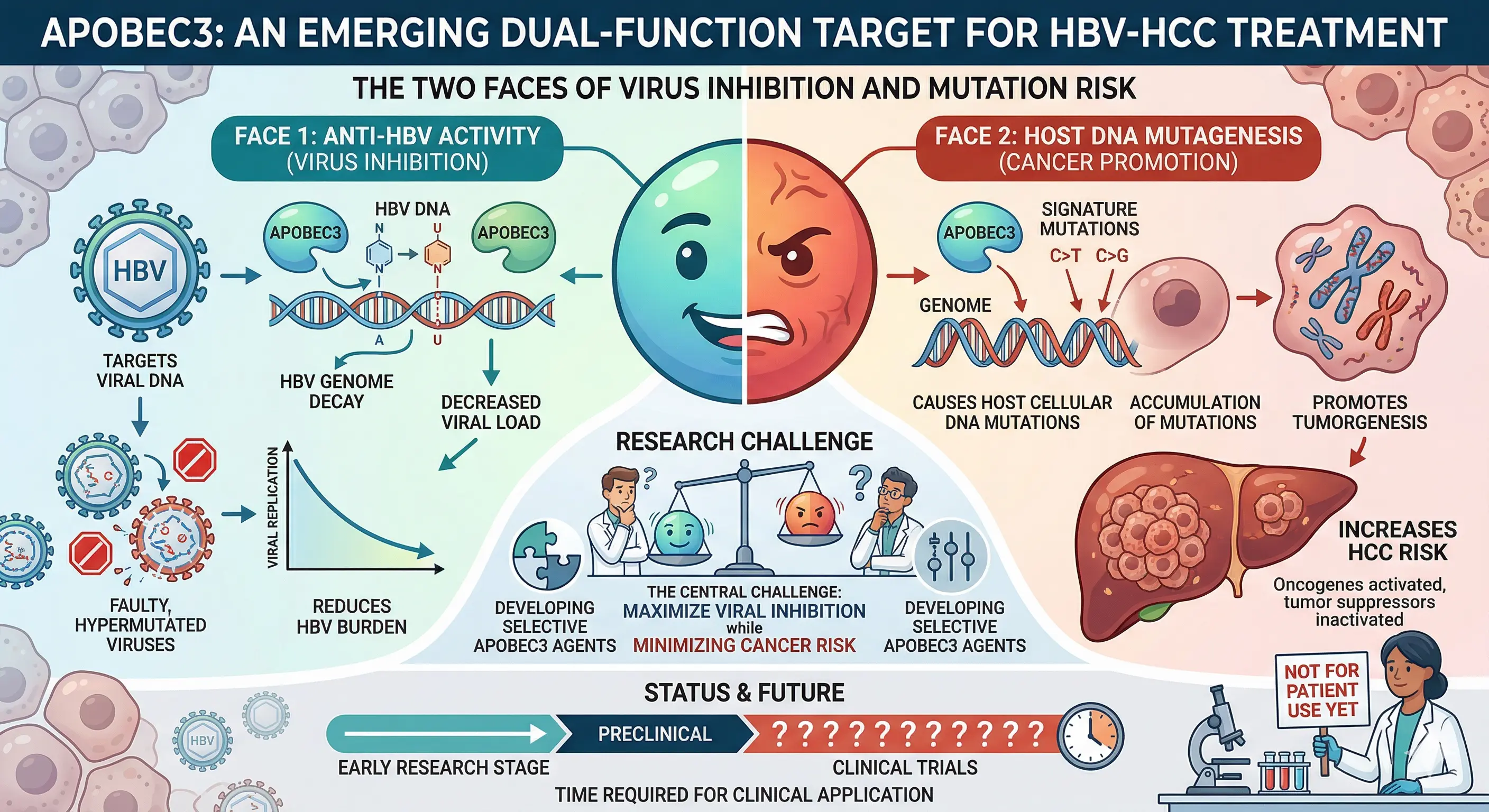
APOBEC3: A Dual-Faced Emerging Target in HBV-HCC Treatment
The APOBEC3 protein effectively combats HBV but may simultaneously induce DNA mutations leading to cancer, posing a dual challenge in therapeutic applications. Researchers are exploring ways to manage this duality, though clinical application remains in early stages.
💡 Developing balanced therapeutic strategies that leverage antiviral benefits while mitigating cancer risks is crucial.
