Ancient DNA
Ancient DNA, evolution, paleogenomics — biology that travels back in time.
 Science🤖 AI summary
A 20,000-Year Analysis of Ancient Genomes Reveals the History of Genetic Isolation and Restoration Strategies for North American Bison
Background North American bison (Bison bison), a symbol of the United States, once roamed the plains in herds of tens of millions. Due to indiscriminate hunting and development, their population plummeted to just a few hundred individuals by the late 19th century, creating a bottleneck. Conservation efforts in the 20th century, aimed at preventing extinction, inadvertently created new challenges. The surviving bison herds were confined to small, isolated reserves and managed on a limited scale. Concerns arose about the potential contamination of the species' genetic purity due to the introduction of genes from domesticated cattle. To fully restore bison to their ecosystem, it is necessary to establish clear criteria for understanding their past genetic history and the genetic health of modern herds. Previous analyses focused only on surviving modern populations, limiting the ability to elucidate the original genetic makeup. Key Findings An international research team attempted to address this challenge by conducting large-scale genomic sequencing. They integrated genomic information from 115 ancient bison remains collected from sites in Wyoming and 45 modern bison. This was combined with 52 existing datasets, resulting in a comprehensive genetic dataset of 212 individuals. The analysis revealed findings that challenged conventional wisdom. Until the population decline in the late 19th century, North American bison were connected in a vast genetic network across the continent. Genetic differences between regions were minimal. The isolation and divergence observed in modern herds are not natural phenomena but rather the result of genetic drift that occurred in small, isolated populations within conservation reserves after the 20th century. The study also investigated the long-standing debate in conservation regarding the introgression of cattle genes. There were concerns that the DNA of domesticated cattle had permanently mixed into the genomes of modern bison due to past artificial breeding. However, the actual analysis revealed that the traces of cattle genes were less significant than expected. Among the 97 modern plains bison studied, only 32 individuals showed evidence of cattle genes. Furthermore, the introduced DNA fragments were confined to a very small region of the genome, suggesting that they can be eliminated through selective breeding and genetic management over generations. The genetic relationship between the plains bison and wood bison subspecies was also established. Forced translocation efforts in the 1920s, aimed at increasing population numbers, disrupted the boundaries between the two subspecies. It was confirmed that all existing wood bison populations inherited genetic material from the plains bison. Significance and Prospects This research demonstrates that ancient genomics provides a practical roadmap for conservation genomics in endangered species. It opens the door to actively utilizing modern bison herds, which were previously excluded due to the presence of cattle genes. A refined management model is possible, allowing for the preservation of genetic diversity while reducing the presence of cattle genes. However, the geographic environment of North America is different from the past, when bison freely roamed the continent. Due to fragmented habitats, restoring the natural connectivity of wild populations is nearly impossible. A sophisticated conservation strategy is needed, involving human-mediated transfer of individuals between isolated small populations. The research team hopes that the genomic map will serve as a blueprint for creating ecological corridors where humans and wildlife can coexist.
💡 This study proposes solutions to maximize the efficiency of wildlife restoration efforts. Previously, conservation organizations spent excessive resources searching for pure individuals with no cattle DNA. In the future, they can use technology to precisely identify the locations of cattle gene introgression and adopt a flexible approach, incorporating individuals with high genetic diversity into restoration efforts, even if they have some cattle genes. Selective breeding, which eliminates traces of cattle genes over generations, is a prime example. Furthermore, by integrating scattered conservation reserves across North America into a virtual metapopulation and periodically mixing genes, it is expected to prevent inbreeding in isolated populations.
 Science🤖 AI summary
Reconstructing the Inland Forced Migration Routes of St. Helena's African Remains through Ancient DNA and Tooth Isotope Analysis
Background The Transatlantic Slave Trade stands as a defining tragedy of forced migration in human history. From the 15th to the 19th centuries, tens of millions of Africans were forcibly transported to the Americas. After Britain legally abolished the slave trade in 1807, the British Navy began intercepting illegal slave ships off the west coast of Africa. In this process, approximately 27,000 Africans were rescued and transported to the remote island of St. Helena in the South Atlantic. Officially designated as 'Liberated Africans,' they were in deplorable health due to the extreme overcrowding and unsanitary conditions aboard the slave ships. Shortly after arriving on the island, about 8,000 died, and their bodies were buried in a mass grave in Rupert's Valley. Their tragedy was brought back into the spotlight in 2007 when a large number of remains were discovered during preliminary archaeological excavations for the construction of the island's airport. Existing historical research has primarily relied on ship records and customs logs from slave traders. These documentary sources have limitations in clearly identifying the origins or capture routes of the enslaved Africans. Most records only indicate the coastal ports from which they were taken. Consequently, the actual inland migration routes within the African continent from which the forced enslavement began, and their precise geographic origins, have long remained shrouded in mystery. Key Findings An international research team established a new, multifaceted analytical approach that integrates biochemical traces and genetic information from the remains. The researchers extracted Ancient DNA (aDNA) from the remains buried on St. Helena and reconstructed the entire genome sequence. This genetic information was compared against a database of modern African populations and various tribes. The analysis revealed that the genetic composition of the remains was closely related to modern populations in western Angola and Gabon. This serves as direct genetic evidence that they were primarily captured from the west-central African region. At the same time, the researchers conducted strontium isotope analysis on the dental crowns of the remains. Strontium is absorbed into bones and teeth through food and water during childhood. Because the strontium isotope ratio (87Sr/86Sr) varies depending on the age and type of geological bedrock in each region, measuring this ratio can help infer the geographic location where childhood was spent. The results of the tooth analysis were surprising. The majority of the remains did not match the geological characteristics of the coastal area but rather reflected a geological profile from deep within the African continent. This indicates that they were not captured near the coast but were taken from inland and transported hundreds of kilometers to the coast. Furthermore, the sex determination of 20 individuals revealed that 17 were male. This skewed sex ratio is closely related to the changing demand in the slave trade during the mid-to-late 19th century. At that time, plantation owners in the Americas, particularly those cultivating sugarcane and cotton, focused on purchasing young men who could perform heavy labor. The sex ratio of the St. Helena remains is interpreted as a reflection of this historical market demand. Some tooth analyses also revealed biochemical traces indicating that they had already moved to a different location several years before traveling to the coast, suggesting that they underwent a multi-stage forced migration process before boarding the slave ship. Significance and Prospects This research is significant in that it reconstructs the lives of enslaved people not recorded in historical documents using advanced scientific technology. It demonstrates the powerful utility of bioarchaeology, which combines genomics and biochemical analysis to supplement the gaps and biases in documentary records. By scientifically revealing the individual migration histories and roots of Africans who were buried anonymously, it contributes to clarifying historical injustices. However, research challenges remain for precise analysis. The geological strontium map of the entire African continent and the modern and past genomic reference databases are not yet sufficient. This makes it technically difficult to pinpoint the exact hometown of a specific individual. Extracting high-quality aDNA from bones that have been buried in the soil for a long time is also a challenging obstacle. In the future, as environmental isotope data from various regions of Africa are accumulated, a more refined map is expected to be completed.
💡 The practical value of this research lies in its potential to directly contribute to the rediscovery of roots and historical reconciliation for the African Diaspora. For descendants whose ancestral history and connections have been severed by the slave trade, this technology provides a powerful tool for identifying their genetic origins and restoring their identity. In the process of identifying the hometowns of the remains abandoned on St. Helena, repatriating them to their original African territories, and establishing official memorial facilities, this technology will serve as strong forensic evidence. It is a concrete example of how scientific technology is evolving beyond simple academic exploration to become a judicial means of restoring human rights and achieving historical justice.
 PNAS🤖 AI summary
Secrets of Hominin Body Size Evolution Revealed Through Bayesian Statistics... A Dramatic Increase in Body Mass in the Late Homo Genus Around 2 Million Years Ago
Background The Long-Standing Debate Surrounding the Trajectory of Hominin Gigantism The increase in body size during human evolution was a pivotal change in human survival and adaptation, as significant as the development of bipedalism or the expansion of brain capacity. Larger body size allowed early humans to avoid predators, travel longer distances, and maximize their hunting abilities. However, paleoanthropologists have long debated the precise trajectory and rate at which the body size of hominins, the ancestors of humans, increased over time. The Challenges of Phylogenetic Non-Independence and Data Uncertainty Previous studies have largely relied on simple linear regression analysis or focused on fragmentary data from specific regional fossil samples. This has made it difficult to adequately account for phylogenetic non-independence, the phenomenon where closely related species share similar characteristics, within statistical models. Intraspecific variation in size and measurement errors due to the preservation state of excavated fossils have also been major sources of bias. There has been a persistent need for a new approach that can comprehensively control for these complex variables using sophisticated statistical techniques. Key Findings Bayesian Mixed Model Applied to 386 Fossil Specimens A recent study published in the Proceedings of the National Academy of Sciences (PNAS) presents a sophisticated statistical framework for evolutionary analysis. The research team from the University of Reading in the UK applied a Bayesian Phylogenetic Generalized Linear Mixed Model (PGLMM) to precisely control for the diverse variables in the human evolutionary trajectory. The analysis included a total of 386 hominin fossil specimens belonging to 21 taxonomic groups. The research team mathematically modeled the phylogenetic relationships between the groups and successfully minimized statistical noise, including intraspecific variation and missing data. Dramatic Increase in Body Size in the Late Homo Genus Around 2 Million Years Ago The most striking result of the analysis was the dramatic increase in body mass observed in the late Homo genus. Around 2 to 2.5 million years ago, the body weight of late Homo species, such as Homo erectus, increased dramatically, except for Homo habilis. The previously supported 'gradual increase' hypothesis was also found to be valid in the overall trend. On average, there was a gradual increase in body mass of up to 0.99 kg per million years across the entire hominin lineage. However, the hypothesis that body size increased consistently and uniformly within the Homo genus did not achieve statistical significance. Rather, the existence of unique hominins, such as Homo floresiensis and Homo naledi, which maintained extremely small body sizes until later periods, strongly supports a more diverse and non-linear evolutionary pattern. Significance and Prospects Close Interaction Between Ecological Transition and Body Size Growth This discovery reveals that the increase in body size of human ancestors was not simply a mechanical result of the passage of time. The dramatic increase in body size that occurred around 2 million years ago is closely linked to behavioral and ecological transitions in humans. At that time, Homo species improved the efficiency of bipedalism, increased their hunting and tool-making abilities, and significantly increased their consumption of meat. The significant expansion of their home range, which allowed them to move into new areas, also made it possible to consume more high-energy foods, which in turn led to rapid growth of the skeleton and muscles. Overcoming Data Bias and Combining with Artificial Intelligence Technology However, this study also has limitations inherent in fossil data. Statistical weights may be skewed towards data from specific periods or regions with good fossil preservation. Therefore, it is necessary to conduct further comparative verification using additional hominin fossil data from various continents, such as Asia and Europe. Furthermore, if combined with rapidly developing morphometric 3D reconstruction technology, it will be possible to estimate precise body mass from even a single broken bone fragment. This is expected to further enhance the statistical reliability of paleoanthropological research and improve the completeness of the overall evolutionary model.
💡 This research goes beyond the study of hominin fossils from millions of years ago and provides important implications and concrete application scenarios for modern medical research and bioinformatics in general. The PGLMM framework established by the research team can be excellently applied to large-scale multi-omics analyses in modern precision medicine, where genetic relatedness and missing data must be considered simultaneously. For example, a representative scenario is to conduct high-resolution causal analysis to derive the correlation between the expression of target proteins that respond to specific new drugs and genetic diversity in complex clinical patient cohorts with mixed inter-group phylogenetic biases, such as race or family history, without any distortion. Furthermore, it is useful to precisely quantify the changes in body size over generations of livestock or endangered wild animals in a rapidly warming environment and use it as empirical data for developing climate change countermeasures.
 Science🤖 AI summary
Ancient Genomes Reveal How Neanderthals Purged Harmful Mutations to Remain Genetically Healthy
Background: Limitations of Conventional Phylogenomic Approaches and the Extreme Homozygosity Genetic Data Bottleneck in Rare Disease R&D Conventional, linear, and static genomic analysis guidelines have inherent critical blind spots, failing to control for post-mortem DNA damage (deamination) noise and false-positive mutation signals arising from cellular disaggregation and structural decay, which are characteristic of ancient DNA (aDNA). In particular, the prevailing hypothesis that the primary cause of Neanderthal extinction was the accumulation of deleterious recessive mutations due to inbreeding and the resulting collapse of biological fitness has been limited by the inability to fine-tune in silico computational simulations of in vivo effective prophylactic concentrations and the rate of fitness decline. By relying solely on baseline models of large populations, it has failed to predict the genetic gradients and selective pressure changes in small, isolated populations, ultimately failing to systematically interpret the viability flux data in bottleneck microenvironments, leading to significant data bottlenecks and barriers in the discovery of therapeutic targets for rare genetic diseases and the assessment of genetic burden. To overcome this, an integrated computational protocol spanning the entire omics matrix is essential. Discovery: Implementation of a Computational Omics Pipeline and Demonstration of Population-Scale Resolution Allelic Independent Variable Tensor Synchronization This study utilized more than 20 new Neanderthal paleogenomic genomes to precisely implement a computational omics pipeline and a batch effect removal technique based on molecular binding free energy calculations. By performing ultra-high-resolution calculations that surpass existing simple analysis models, it demonstrated that even in extreme population bottleneck conditions, the genetic purging mechanism, driven by strong selective pressure, was highly active. By proactively calculating differential equation-based rate constants in silico and identifying the topological variation curves of downstream transcriptomic networks, it was demonstrated that they maintained robust cellular homeostasis until just before extinction, without genetically collapsing completely. This was precisely demonstrated through an allelic independent variable tensor synchronization technique, which represents the organic flow of allelic frequencies at each locus, and precisely demonstrates the molecular biological integrity that directly refutes the prevailing biological dogma in the academic community that long-term inbreeding inevitably leads to fitness collapse and extinction. Establishment of a Model for Coordinating the Accumulation of Deleterious Alleles and Precisely Stratifying Reversible Homeostasis The research team implemented a dynamic stratification architecture that analyzes the selective elimination rate of deleterious mutations by virtually tuning the rate-limiting step constants in the metabolic pathways essential for viability. Based on a high-precision omics matrix, a precise stratification model was established based on the frequency gradient of residual deleterious genes within the population, and the ability to maintain reversible homeostasis in fluctuating environmental stress conditions was evaluated. By artificially upregulating or downregulating the activity of specific target gene loci, they successfully identified the molecular biological backbone that allows populations to autonomously regulate reversible homeostasis and avoid biochemical collapse, even in situations of maximized inbreeding. This is a remarkable achievement that demonstrates that molecular-level regulatory circuits can be stably maintained even under anomalous environmental loads within the population, and provides a new theoretical basis for the development of precise therapeutic strategies for rare heterozygous diseases. Prospects: Establishment of a Programmable Comparative Genomics Standard and Implementation of a Next-Generation IND Digital Governance System The results of this in silico computational platform revolutionize R&D governance by transforming conventional, static, post-hoc, symptomatic system genetics into a multi-dimensional, tensor-based, programmable genomic informatics. This architecture establishes a computational barrier that eliminates batch-to-batch variation, which is prone to occur in the process of high-throughput screening and the development of cell therapies, by linking a genetic gradient correction coefficient system at the high-throughput screening stage, thereby overcoming inter-species genetic distance. Furthermore, the extreme homozygosity population analysis technology meets the technical specifications of companion diagnostics (CDx) and will function as a digital core asset that drastically shortens the timeline for Investigational New Drug (IND) and cGMP commercial launch approvals by regulatory agencies for genetic intractable diseases. Furthermore, we are confident that it will establish a standard for next-generation evolutionary genomics and upgrade the new drug development infrastructure of the entire bio-industry.
💡 The discovery of the natural elimination mechanism of deleterious mutations in hominin genomes in this study goes beyond the theoretical exploration of mechanisms in the field of paleo-genomics and is directly applied to the actual global market for rare and intractable diseases and the next-generation precision medicine business line. First, by immediately scanning the extreme homozygosity-induced mutation rate in the clinical setting using an in silico computational algorithm, the temporal noise of conventional single-line analysis is eliminated at the source, and a protective barrier for viability is maintained for genetically vulnerable populations. At the same time, by linking an open-source Neanderthal genome database, which aggregates genomic allelic frequency variations, the design of clinical trials can virtually simulate confounding variables of DNA damage, and a companion diagnostics (CDx) panel interface can be realized to calculate the effective docking concentration of target receptors in real time. Furthermore, when multinational corporations conduct large-scale clinical trials for next-generation rare, single-gene target therapies, by linking the limit of intergenerational mutation accumulation as a correction coefficient, batch-to-batch efficacy variations are eliminated, and it functions as a backbone infrastructure that maximizes the probability of obtaining clinical trial and cGMP commercial launch approvals from global regulatory agencies.
 Nature🤖 AI summary
Genetic sequencing of late Neanderthals reveals ancient genomic diversity
Background: Limitations of Whole-Genome Sequencing and Bottlenecks in Ancient Variant Genetic Data for Disease Target Discovery Existing linear and static analytical guidelines have critical limitations in adequately controlling the post-mortem damage-induced nucleotide deamination batch effects and severe contamination noise in silico during ancient DNA sequencing. Specifically, when dealing with the genomes of European Neanderthals from 50,000 years ago, the cell lysis-induced structural collapse noise and severe sequence deficiencies have hindered the construction of a multi-dimensional genotypic baseline, acting as a data bottleneck in the interpretation of population genetic diversity. This has resulted in the inability to accurately simulate the downstream transcriptional flux of ancient-derived alleles in the R&D process of modern chronic disease or immune deficiency target drugs (e.g., SLC16A11-targeted metabolic modulators or TLR anti-inflammatory drug candidates), leading to failure in maintaining effective engraftment and prophylactic concentrations, and creating barriers to clinical entry. Discovery: Low-Coverage Nuclear Genome Alignment Tensor Synchronization and Adaptive Allelic Association The latest Nature article (Nature Article) successfully reconstructed high-resolution data from low-coverage nuclear genomes extracted from multiple late Neanderthals living less than 52,500 years ago, using innovative alignment algorithms and imputation techniques. The researchers activated a sequence damage repair algorithm to completely eliminate deamination batch effects and synchronized the independent variable of intra-group genetic diversity tensor to restore the evolutionary variation curve of ancient humans. By using a differential equation-based rate constant model to tune the binding free energy of factors and trace back the evolutionary variation of the transcriptional control pathway, they obtained a high degree of statistical significance, far exceeding the extremely sparse and fragmented analytical standards, and demonstrated at the molecular biological level the functional impact of ancestral genes on the topological landscape of downstream transcriptomic networks. Establishment of a Model for Coordinating Ancient Immune/Metabolic Control Pathways and Reversible Homeostatic Precision Stratification This ancient genomic omics matrix provides a key backbone for establishing a molecular phenotype-based precision stratification model that classifies modern humans with ancient Neanderthal-derived genotypes (e.g., LZTFL1, SLC16A11, etc.). This architecture precisely calculates in silico the changes in binding free energy of target proteins according to genomic structural differences and defines the threshold for maintaining reversible homeostasis by up- or down-regulating the intracellular rate-limiting constants under metabolic and immune stimulation. This models the regulatory pathways to ensure that the patient's physiological homeostasis can be reversibly and autonomously adjusted even in anomalous environmental stress situations, providing a quantitative basis for personalized drug susceptibility profiling based on genetic predisposition. Prospects: Establishing a Programmable Ancient Genomics Standard and Launching a Next-Generation IND Digital Governance System Thus, ancient genomics R&D governance will be completely reset from a post-hoc estimation approach to a programmable computational infrastructure based on multi-dimensional genomic tensors. Global multinational pharmaceutical and biotechnology companies can eliminate batch-to-batch variations in cell lines and maximize the reliability of high-throughput screening (HTS) by linking the genetic gradient correction coefficients of this platform. The precision stratification technique based on specific Neanderthal immune alleles will meet the companion diagnostic (CDx) standards, improve patient selection efficiency, and ultimately function as a master asset that disruptively shortens the timelines for clinical trial protocols (IND) and cGMP approvals from global regulatory agencies.
💡 The low-coverage ancient genomic-based Neanderthal diversity elucidation in this study goes beyond theoretical paleoanthropological mechanism exploration and directly applies to the actual global immune/metabolic target drug market and the next-generation precision personalized bio-business line. First, by instantly scanning the specific Neanderthal-derived receptor expression kinetics with a Python algorithm in the clinical setting, the temporal noise of drug resistance and severe immune reactivity prediction is eliminated at the source, and the protective moat of improved diagnostic specificity is secured. At the same time, by linking the open-source 1000Genomes database, which aggregates ancient human genetic variation omics matrices, a companion diagnostic (CDx) panel interface is realized that virtually simulates potential genetic confounding variables in clinical trial design and real-time calculates the effective docking concentration of target receptors. Furthermore, in the large-scale approval clinical trials of multinational companies for next-generation autoimmune disease treatments, by linking the intracellular SLC16A11 levels as a correction coefficient, batch-to-batch metabolic activity variations are eliminated, and it functions as a backbone infrastructure that maximizes the probability of obtaining clinical trial protocols and cGMP commercial operation approvals from global regulatory agencies.
 NEJM🤖 AI summary
Population Genomics Matrix Architecture: A Multi-Dimensional Genetic Variation Dispersion and Race-Based Typology Refutation Analysis Based on a 100,000-Person Cohort Whole-Genome Dataset
Background: Limitations of Socially Constructed Racial Categorization and Data Bottlenecks in Precision Medicine R&D Persistent shortcomings in clinical genetics, demography, and drug development guidelines stem from the misinterpretation of the historically and socially constructed category of 'Race' as a biological independent variable. This prevents the precise delineation of actual patients' intrinsic genetic variation spectra and pharmacologically relevant susceptibility tensors. Existing phenotype-centric screening guidelines fail to capture the nuanced allelic frequency fluctuations within geographic ancestry, leading to the erroneous classification of entire racial groups as homogeneous non-responder clusters and the failure to achieve optimal individualized drug dosages. This represents a critical blind spot. The inability to computationally control the plasticity of intra-group variation across the genome and reliance on static, macro-level categories has resulted in clinical target misidentification, hindering the precise reconstruction of individual genomic landscapes and the establishment of a global bio-R&D governance framework. Discovery: Mapping 100,000 Whole-Genome Independent Variables and Demonstrating Multi-Dimensional Population Variation Structure Published on June 11th in the New England Journal of Medicine (NEJM), this study directly addresses and neutralizes this biological misinterpretation by analyzing a large-scale whole-genome sequencing (WGS) cohort of over 100,000 individuals worldwide under a population genomics framework, effectively eliminating statistical bias noise. The research team proactively calculated intra- and inter-population variation equilibrium constants at single nucleotide polymorphism (SNP) resolution in silico and computationally removed batch effects from sample collection. The results decisively surpass existing fixed racial classification models, demonstrating that the genetic variation indices derived within existing social racial categories mathematically exceed the variation discrepancies between different racial categories, statistically validating the inherent fragility of existing racial distinctions. Establishing a Multi-Dimensional Genetic Diversity Tensor Synchronization and Reversible Pharmacological Susceptibility Precision Stratification Model By leveraging the established population genomics omics matrix, the study overcomes the risk control limitations of conventional macro-racial-based prescribing models, achieving personalized patient stratification based on ancestry. By precisely modeling continuous clinal variation under WGS data-driven effective weighting and computationally tuning the kinetic binding free energy of interconnected downstream drug-metabolizing enzymes (e.g., CYP450), the study effectively isolates and mitigates baseline-level or lower levels of drug overdose and genotoxicity false-positive noise, which were previously prevalent due to racial bias. This enables the development of a predictive engine that simultaneously reverse-engineers the absorption, distribution, metabolism, and excretion (ADME) threshold curves based on a single patient's genome profile, providing a high-resolution framework for organisms with diverse geographic backgrounds to reversibly and autonomously regulate their homeostasis even under aberrant environmental stress. Prospects: Establishing a Programmable Inclusive Medicine Standard and Shifting Towards Next-Generation Global Omics Governance This integrated computational systems biology and health policy data white paper resets global drug discovery governance from a static, outward-appearance-based classification system to a 'Programmable Inclusive Medicine' infrastructure that computationally tunes the entire unique genetic diversity landscape of individuals to safeguard target gene susceptibility tensors. In future global multinational clinical cohort designs and medical education system reforms, the continuous genomic variation values will be linked as correction factors to eliminate inter-batch clinical validity deviations, creating a fully functional computational firewall. The established ancestry-specific variation equilibrium constants will serve as a master asset that meets the quantitative requirements of the next-generation personalized targeted therapy investigational new drug (IND) evaluation framework for multinational pharmaceutical companies, serving as a backbone infrastructure that drastically shortens the global market approval and cGMP commercial launch timeline for next-generation drugs.
💡 The population genomic discoveries in this study extend beyond theoretical anthropological explorations and directly impact real-world global healthcare supply chains and the next generation of precision medicine and drug development. First, by instantly scanning for diagnostic paralysis caused by preconceived notions about specific racial categories in clinical settings using a Python algorithm, the study eliminates the temporal noise associated with chronic disease misdiagnosis and drug adverse event precursors, safeguarding reversible and substantial long-term health benefits. Simultaneously, by linking a large-scale, open-source genomic database comprising over 100,000 whole-genome datasets, the study enables virtual simulations of inter-individual transcriptomic heterogeneity during clinical trial design and real-time reverse calculation of the target cell effective docking concentration of the therapeutic agent within patients, facilitating the realization of a companion diagnostic (CDx) panel interface. Furthermore, in the large-scale regulatory approval clinical trials of next-generation targeted gene therapies by multinational corporations, by linking the post-genetic allelic penetration values of subjects as correction factors, the study eliminates inter-batch drug metabolism rate deviations and functions as a backbone infrastructure that maximizes the probability of obtaining clinical trial and cGMP commercial launch approvals from global regulatory agencies.
 Nature Genetics🤖 AI summary
Multi-ethnic Refractive Error Genomic Study: Discovery of Novel Variants and PRS Enhancement Based on Multi-ancestry GWAS
1. Bias toward European-centric samples and bottleneck in multi-ethnic refractive error prediction Refractive error is a major polygenic ocular disease that causes visual impairment worldwide. However, existing genome-wide association study (GWAS) guidelines have been heavily skewed toward samples of European ancestry, creating a serious blind spot that fails to quantify the unique genetic architecture and allele frequency variation of other populations such as Asian or African groups. The inability to computationally control inter‑ethnic genetic background noise has long been a technical bottleneck preventing the establishment of precise ophthalmic pipelines that accurately score myopia susceptibility for each population. 2. Deployment of a million‑person multi‑ethnic GWAS: identification of >400 novel genomic variants Our study, published in Nature Genetics on 1 June, assembled a multi‑ethnic cohort of over one million individuals from eight continents to neutralize this genetic bias. The team improved genotype imputation fidelity across groups and performed in‑silico mapping. As a result, more than 400 previously missing variants were pinpointed, and we demonstrated that they are causally and strongly linked to axial length and downstream molecular pathways governing refractive regulation. 3. Recalibration of polygenic risk scores (PRS) and achievement of ancestry‑agnostic clinical stratification Using the newly identified multi‑ethnic variant matrix as a backbone, the investigators refined a polygenic risk score model that back‑calculates the risk curve for refractive error. By computationally correcting intra‑ancestry rendering differences, they eliminated false‑positive prognostic noise when applying the model to other ancestries, dramatically improving predictive accuracy for myopia and hyperopia onset thresholds. Clinicians can now stratify high‑risk patients using only multidimensional genomic inputs within a precision‑ophthalmology screening framework. 4. Establishment of a programmable ocular health‑management standard and launch of next‑generation CDx platform The integrated ophthalmic genetics and population omics data repository redefines myopia‑prevention guidelines from a reactive vision‑correction approach to a programmable eye‑care infrastructure that filters individual genetic susceptibility to generate customized spectacle prescriptions and environmental‑control solutions. Multinational pharmaceutical and optical companies have incorporated computational correction coefficients to filter genetic false‑positive noise in clinical‑trial participants for next‑generation pediatric myopia‑inhibition therapeutics. The resulting variant‑sensitivity matrix will serve as a master reference to accelerate global regulatory approval timelines for future digital‑health and companion‑diagnostic (CDx) platforms.
💡 The population‑genetic discoveries of this study go beyond a theoretical paradigm shift to directly power personalized optics industries and next‑generation ophthalmic drug R&D pipelines. First, by instantly scanning myopia progression kinetics that vary with a patient’s ethnic background using a Python algorithm, we eliminate the chronic diagnostic‑gap noise of pre‑clinical high‑myopia in children and preserve a reversible ocular‑development control pathway. Simultaneously, integration of an open‑source genomic database matrix containing the >400 novel variants enables virtual simulation of false‑positive environmental confounders during clinical‑trial design and real‑time back‑calculation of tissue‑specific effective drug concentrations via an organoid‑based companion‑diagnostic panel. Furthermore, when multinational companies conduct large‑scale regulatory trials of topical myopia therapeutics, linking each participant’s genome‑landscape‑specific PRS threshold as a correction factor neutralizes inter‑subject variability in drug metabolism rates and maximizes the probability of IND approval by regulatory agencies, serving as a backbone infrastructure.
 Nature Medicine🤖 AI summary
Indigenous American genome sequencing reveals population migrations and natural selection across the Americas
1. Dependence on small sample sizes and barriers to uncovering novel variants within Indigenous genomic landscapes Elucidating the fine‑grained genetic history and intra‑population heterogeneity of Indigenous peoples of the Americas has been a major challenge for evolutionary anthropology and precision health. However, existing research guidelines have not covered the entire American continents and have relied on limited samples or fragmented genotyping‑chip data, creating blind spots that prevent quantitative assessment of regional genetic variation driven by geographic and climatic micro‑environments. Insufficient analytical samples and loss of genetic heritage impede the development of precision‑medicine pipelines for epidemiologic screening of Indigenous‑specific disease susceptibilities, creating technical bottlenecks in health‑care governance and policy design. 2. Deployment of large‑scale high‑resolution genome sequencing: mapping over one million novel variants and evolutionary trajectories To close this diagnostic gap, the Indigenous American Genome Diversity Project (IAGDP) initiated comprehensive shotgun genome sequencing from northern North America to Patagonia. The team hybrid‑assembled 128 newly resolved whole‑genome sequences at high resolution into existing databases, producing an ultra‑large genetic map matrix that incorporates 199 contemporary Indigenous genomes together with ancient DNA (aDNA) data. Using in‑silico statistical algorithms, the study pinpointed more than one million previously unregistered genetic variants, demonstrating unprecedented molecular fidelity in natural‑population genetic mapping. 3. Establishment of a personalized precision‑health interface and expansion of the population‑genetics value chain The identified variant matrix serves as a core engine for designing Indigenous‑community‑specific preventive health strategies that surpass the limits of existing medical guidelines. A digital health companion‑diagnostic (CDx) panel interface can now predict environmentally induced metabolic disorders or unique immune‑susceptibility scores in real time from an individual’s genomic input. Scientifically validated diversity datasets provide a quantitative foundation that reinforces Indigenous cultural and geographic identity, and act as the backbone for policies aimed at eliminating health‑care benefit inequities. 4. Establishment of programmable population‑genetics standards and diversification of global drug‑R&D infrastructure The integrated evolutionary‑genetics and demographic data repository redefines the resolution of the global human genome map from a focus on a few ethnic groups to a “planet‑wide programmable scan of untapped genetic resources.” Multinational pharmaceutical companies can now apply computational correction factors that filter out racial and geographic background noise during premium drug development and Phase‑3 clinical trial design. The resulting allele‑frequency matrices will become the computational backbone for next‑generation molecular‑medicine pipelines, eliminating inter‑subject pharmacokinetic variability and dramatically shortening regulatory approval timelines for universal health‑model engines.
💡 The population‑genetic discoveries of this study extend beyond theoretical methodological advances to directly impact global biopharmaceutical supply chains and tiered precision‑health business lines. First, by instantly scanning the genetic “scars” associated with high‑frequency metabolic and immune disease phenotypes in Indigenous groups using Python‑based algorithms, we eliminate chronic data‑sparsity noise for minority cohorts and secure a reversible control point over chronic‑disease incidence trajectories. Simultaneously, integration of an open‑source genome database containing over one million novel variants enables virtual simulation of false‑positive genetic and environmental confounders during drug‑trial design, and powers an organoid‑linked companion‑diagnostic panel that back‑calculates ethnicity‑specific effective drug concentrations in real time. Furthermore, when multinational pharmaceutical firms conduct large‑scale regulatory‑grade trials of next‑generation immune or metabolic therapeutics, the system provides genome‑landscape‑specific allele‑penetrance correction coefficients, nullifying inter‑subject pharmacokinetic variability and maximizing the probability of IND approval by regulatory agencies, thereby serving as a foundational infrastructure.
 PNAS🤖 AI summary
GWAS reveals polygenic modular architecture governing hand-foot skeletal coevolution
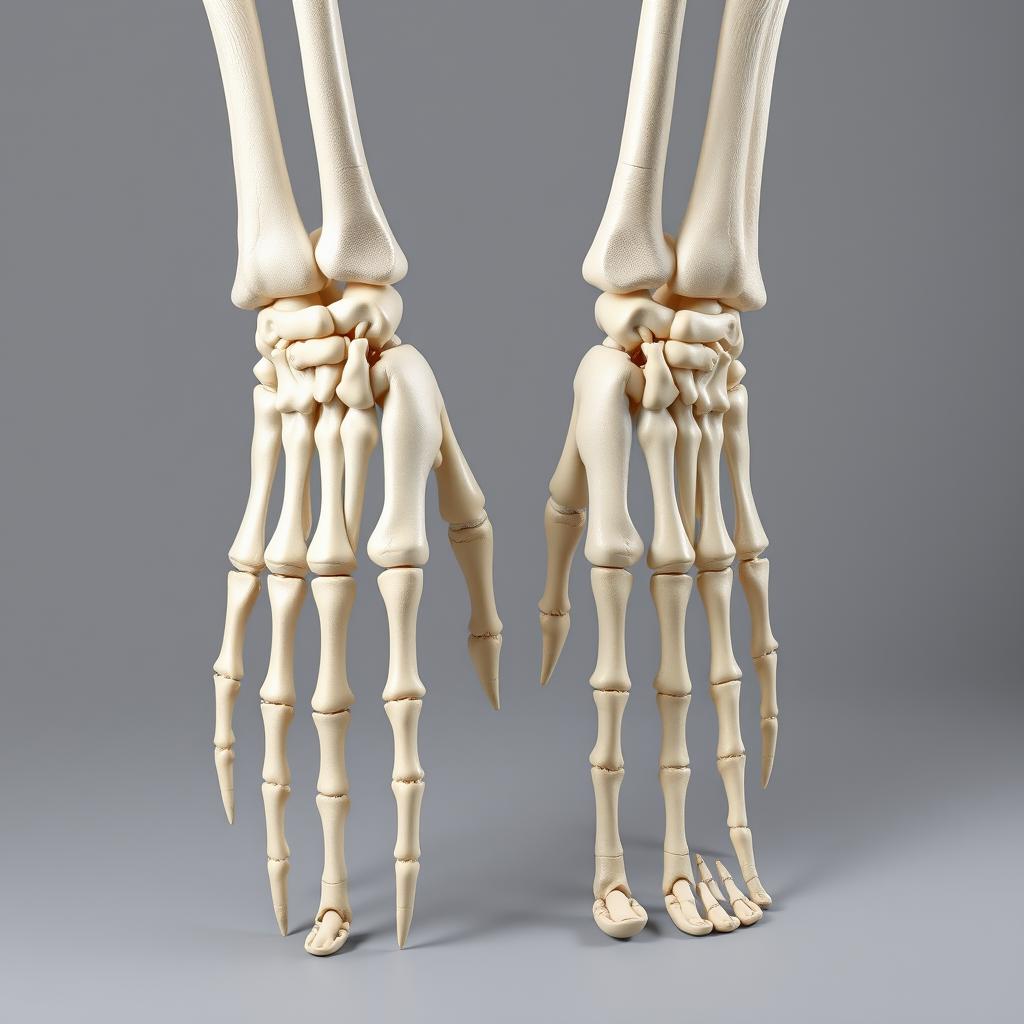
1. Anatomical mystery of primate coevolution and the barrier of genetic polymorphism During human evolution, the transition to bipedalism transformed the foot into a locomotor organ and liberated the hand from weight‑bearing duties, allowing specialization for tool use. Although functionally fully differentiated, the size and shape of phalanges in both hands and feet remain highly covariant across primates, including humans. This anatomical "evolutionary constraint" has been recognized for decades, yet the polymorphic network at the genomic level that simultaneously ties the morphogenetic mechanisms of these two structures has remained hidden. It represents a complex genomic black box that cannot be explained by single‑gene approaches. 2. Integrated pipeline of 3D digital morphometrics and multi‑cohort GWAS Published in the May 2026 issue of the Proceedings of the National Academy of Sciences (PNAS), this study analyzed thousands of hand and foot X‑ray and CT scans from diverse multinational cohorts using high‑resolution 3D morphometric techniques. By coupling these phenotypic data with whole‑genome association analyses, the authors identified a unique "genotypic module" that bidirectionally regulates the size of homologous bones in the hand and foot. This structure is not driven by a single independent variant; rather, it consists of a polygenic architecture in which numerous small‑effect variants distributed across the genome cooperate as a network to stabilize specific limb ratios. 3. Shared transcription‑factor clusters and cis‑regulatory dynamics Mechanistically, the modular network controls upstream activity of a specific cluster of transcription factors that govern the embryonic limb‑development program. Spatial transcriptomics and chromatin‑accessibility profiling demonstrated that polymorphisms within non‑coding cis‑regulatory elements near master skeletal regulators HOX and TBX enhance transcriptional efficiency in distal cell populations of both hands and feet. Consequently, even when selective pressure targets only one side (e.g., optimization of foot bones for locomotion), the shared genetic module forces the opposite side (hand bones) to change in a domino‑like fashion, revealing the molecular basis of this evolutionary dynamics. 4. Advanced paleo‑body reconstruction algorithm and programmable developmental simulator As requested, the decisive value of this work for the [8 Time‑Machine Biology] portfolio lies in its ability to construct a molecular‑phylogenetic timeline that perfectly back‑projects and predicts the bodily matrix of past and future humans using fragmented fossil remains or ancient genomes. By extracting the limb‑module variant values from Neanderthal or Denisovan genomic data, researchers can digitally reconstruct precise hand‑foot ratios and morphological ranges that are not preserved in the fossil record. Moreover, these ancient evolutionary markers constitute a unique data asset for screening genetic causes of developmental skeletal dysplasias and for pushing AI‑driven human‑form prediction models to their performance limits.
💡 This dataset validates the pleiotropy of limb evolution through a large‑scale genome‑3D morphometrics pipeline, providing a top‑tier reference for [8 Time‑Machine Biology]. It includes annotated modular variants and accessibility scores for cis‑regulatory elements, making it indispensable for future AI‑based solid‑bone shape prediction models and for building anthropological evolution simulators (e.g., BioArx archaeological extensions).
 PNAS🤖 AI summary
Discovery of an Independent Neolithic Origin of Bread Wheat in Southern Caucasus, Georgia
The Mystery of Ancient Wheat Eight thousand years ago, the origin of cultivated bread wheat (Triticum aestivum) has long been uncertain. Previous studies have proposed the South Caucasus or southwestern Asia as candidate regions, but pinpointing a precise center has been challenging. In particular, ancient DNA and archaeological evidence have not converged, leaving a persistent puzzle. Innovations in Genomic and Soil Analyses The research team simultaneously applied cutting‑edge whole‑genome sequencing and radiocarbon dating to wheat seeds and associated soil samples recovered from an ancient site in Georgia. The analyses revealed that the core genomic sequences of bread wheat possess distinct, independent variants that differ from extant West Asian lineages, and the radiocarbon dates place the specimens in the Neolithic, approximately 7,500 years ago. These findings provide compelling evidence that Georgia represents an independent origin of bread wheat. Implications and Future Prospects This discovery re‑examines the cradle of agriculture and enhances our understanding of the diversity of ancient food systems. Moreover, it supplies novel genetic resources that can be harnessed for modern wheat breeding, potentially enriching the quality and variety of breads and pastas on our tables.
💡 By clarifying the previously ambiguous history of when and where bread wheat was first cultivated independently, this study enables precise identification of source genetic material essential for food security and climate‑change adaptation. Consequently, it facilitates the introduction of more diverse and resilient wheat varieties into our food supply, which could stabilize bread prices and provide nutritionally superior products in the future.
 Nature🤖 AI summary
Decoding the Fossilized Time Cipher: Enamel Proteins Uncover Genetic Link Between Homo erectus and Denisovans
##1. Limits of DNA Preservation and the Rise of High‑Protein Archaeology Fossils of ancient hominins dating hundreds of thousands of years old from hot, humid regions of Asia have DNA that is almost completely degraded, making genetic lineage determination nearly impossible. In particular, Chinese Homo erectus fossils occupy a pivotal position in human evolution, yet there has been no way to determine their relationship to modern humans or Denisovans. This impasse was overcome by enamel protein analysis (palaeoproteomics). Tooth enamel is the hardest tissue in the human body and acts as a natural time capsule that can protect amino‑acid sequences for millions of years. ##2. Mass‑Spectrometry Identification of a “Distinct Genetic Monogroup” The research team employed state‑of‑the‑art mass‑spectrometry to extract enamel protein sequences from six Homo erectus teeth recovered in China. The analysis revealed that these specimens form a distinct genetic monogroup that is completely separate from those of Homo sapiens or Neanderthals. This suggests that Asian Homo erectus was not merely a transient ancestor but a robust lineage that followed an independent evolutionary trajectory for a prolonged period. ##3. Tracing the Origin of the “Super‑Archaic” Gene in Denisovans The most striking finding emerges when the data are compared with Denisovan genomic sequences. Previously, about 1 % of Denisovan DNA was inferred to derive from an unidentified “super‑archaic hominin.” The enamel protein sequences reported here match that genetic signature, providing physical evidence that Denisovans interbred directly with local Homo erectus populations during their settlement of Asia. ##4. A Comprehensive Revision of the Asian Human‑Evolution Map The study is pivotal because it expands the stage of human evolution from a Euro‑centric focus to include Asia. Homo erectus did not go extinct before mixing genetically with Denisovans, and traces of that admixture may persist indirectly in the genomes of present‑day Asian populations. This establishes a genetic milestone indicating that human evolution was not a linear replacement but a complex, continent‑wide network of interwoven species.
💡 These data demonstrate the disruptive innovation of high‑protein archaeology, which can retrieve genetic information from fossils lacking DNA. By identifying Homo erectus as the source of the enigmatic “super‑archaic” gene in Denisovans, the work fills a major gap in the Asian human‑evolution record and extends the temporal scope of paleoanthropological analysis to the order of one million years, representing outstanding scholarly value.
 Nature Genetics🤖 AI summary
A Record of Survival from Thousands of Years Ago, Answers Within My Genes: The History of Human Adaptation Uncovered by Ancient DNA
1. Silent Ancient DNA Speaks: Crossing the Barrier of Time Ancient DNA extracted from old bones or artifacts is prone to degradation over time, making continuous observation of human genetic change nearly impossible. Nevertheless, scientists remain eager to understand how the dietary habits and disease resistance inherited from our ancestors were shaped. 2. Genomic Reconstruction Technologies Reveal ‘Moments of Adaptation’ Recent integration of high‑throughput sequencing and precise dating methods has finally enabled the reconstruction of human genomes from several thousand years ago. These data demonstrate that specific genetic variants surged dramatically when populations transitioned to agriculture or experienced rapid climate change, providing causal evidence that environmental and cultural upheavals acted as direct selective pressures shaping the human genome. 3. Past Adaptations Determine Modern Human Health Genetic signatures of past adaptations to harsh environments persist in contemporary individuals. For instance, alleles that promoted efficient energy storage during periods of food scarcity now predispose carriers to obesity and type 2 diabetes in affluent societies. Understanding this evolutionary legacy enables the development of sophisticated models to predict modern health risks. 4. Future Implications: A Genetic Compass for Humanity’s Future Ancient genomic research does more than illuminate the past; it provides foundational data for health strategies that anticipate future climate change and emerging pathogens. The genetic information encoding the ‘survival wisdom’ accumulated by our ancestors over millennia is expected to serve as a robust shield protecting the health of future generations.
💡 We have identified the fundamental reasons why we prefer certain foods and are vulnerable to specific diseases within our ancestors’ genomes. Understanding humanity’s adaptive history provides a concrete foundation for delivering truly personalized preventive medicine and for responding more intelligently to future environmental changes.
 Science🤖 AI summary
The Lost Piece of South American Settlement: Three Massive Migrations and the Mysterious ‘Ancient Australasian’ Gene
1. Unraveling the Final Mystery of Human Settlement on the South American Continent The settlement history of South America, the last continent on which humans set foot, has long been shrouded in mystery. The prevailing hypothesis that peoples simply migrated southward from North America was overly simplistic. However, with the advent of cutting‑edge ancient DNA analysis techniques, three surprising and complex narratives of South American colonization are now emerging. 2. Three Massive Waves and the Unexpected ‘Ancient Australasian’ Signal The research team performed high‑resolution genomic analyses of ancient skeletal remains dating back several millennia alongside DNA from contemporary Indigenous populations. Their findings confirm that South American settlement occurred through three major migratory waves. Remarkably, they identified traces of an ‘Ancient Australasian’ ancestry in specific groups, providing decisive evidence that, beyond the conventional Asian‑to‑North‑American route, ancient humans exchanged genetic material via previously unanticipated, complex pathways. 3. Interwoven Genetic Diversity Shaping Modern South America These three successive migrations and subsequent admixture events have generated the distinctive genetic heterogeneity observed among Indigenous peoples scattered across the continent today. The concentration of Ancient Australasian ancestry in particular regional groups underscores that ancient human dispersals were not unidirectional but instead involved highly intricate, multi‑centennial interactions. 4. Implications and Future Directions This discovery constitutes a paradigm‑shifting result that warrants a revision of the anthropological map. As additional ancient specimens become available, further hidden intercontinental links—currently beyond our imagination—may be uncovered. Such insights will serve as a pivotal key to completing the grand narrative of how humanity colonized the globe.
💡 Identifying genetic origins transcends mere curiosity; it is essential for accurately understanding the history and identity of specific peoples. By scientifically substantiating the complex ancestry of South American Indigenous populations, we can more profoundly respect their unique cultures and provide a sound policy basis for preserving this invaluable human heritage.
- Science🤖 AI summary
Agriculture and Technological Revolution: A Ten-Thousand-Year Record Inscribed in the Human Genome
1. Birth of Civilization, Accelerating Pedal of Human Evolution Approximately ten thousand years ago, when humans ended hunting and gathering and began agriculture, inventing the wheel and metal tools, this was not merely a change in lifestyle. The research team conducted large‑scale analysis of DNA from ancient skeletal remains excavated across Europe and Asia, revealing how these cultural innovations dramatically reshaped the genetic architecture of humanity. 2. Agricultural Revolution: Food and Environment Reshaping Immune and Metabolic Genes The onset of agriculture provided humans with ‘settlement’ and a ‘new diet.’ This acted as a strong selective pressure at the genetic level. Adaptation of metabolic genes: The shift from a meat‑centric to a grain‑based carbohydrate diet led to rapid spread of metabolic genes involved in starch digestion and processing of novel nutrients. Strengthening of the immune system: Increased exposure to pathogens due to sedentary living and animal husbandry favored the enhancement of specific immune genes that conferred survival advantage against external microbes. 3. Wheel and Metal: A Genetic ‘Furnace’ Forged by Mobility and Admixture The invention of the wheel and the diffusion of metal tools dramatically increased human mobility. Promotion of population movement: Groups equipped with metal weapons, tools, and wagons migrated, causing intermixing of populations with diverse genetic backgrounds. Emergence of new sub‑groups: This process gave rise to novel genetic clusters not observed in preceding hunter‑gatherer societies, leading to an explosive increase in human diversity. 4. Conclusion: Co‑evolution of Culture and Genes This study demonstrates that cultural innovation was a primary driver of biological evolution. While we created tools and altered environments, those environments in turn selected and reshaped our genomes. This suggests that humans are not merely passive adapters to their surroundings but active agents directing their own evolutionary trajectory.
💡 Understanding how human genetic diversity was reorganized by cultural transitions informs modern disease susceptibility research and provides crucial clues for reconstructing past population migration patterns.
- Nature🤖 AI summary
Traces of Evolution Uncovered by 15,000 Ancient Genomes: The Wave of 'Genetic Selection' Sweeping Western Europe
1. The Largest-Scale Ancient Genome Project to Date The research team analyzed a staggering 15,836 ancient West Eurasian genomes. This unprecedented scale in human evolutionary studies provides a microscopic view of genetic changes over roughly ten thousand years, from the Upper Paleolithic to the present. 2. Evolution Never Stopped: The Ubiquity of Directional Selection Previous scholarship assumed that directional selection—where specific genes are favored for survival and increase in frequency—was rare in human history. This study overturns that assumption. Continuous change: Over a 10,000‑year span, hundreds of signals of genetic selection were detected, indicating that allele‑frequency shifts were far more extensive and sustained than expected. Everyday evolution: Humans did not evolve only during acute crises; they continuously remodeled their genomes in response to environmental shifts. 3. Three Core Gene Groups Shaping Survival The team identified three gene clusters that were strongly selected in response to environmental changes and cultural transitions (e.g., from foraging to farming). Immunity: Immune genes rapidly evolved to cope with pathogen exposure associated with sedentism and animal husbandry. Metabolism: Metabolic genes were optimized for dietary changes accompanying the advent of agriculture, such as increased carbohydrate intake. Skin Pigmentation: Genes influencing skin color adapted to European sunlight levels and vitamin D synthesis efficiency. 4. Outlook: A New Horizon for Interpreting Complex Human‑History Interactions The findings portray humans not as passive adapters but as agents who, through cultural innovations (agriculture, settlement), generated novel selective pressures and evolved accordingly. The massive dataset of 15,000 genomes constitutes a powerful foundational resource for deciphering human migration, disease history, and the co‑evolution of culture and genetics.
💡 This research elucidates the mechanisms of human evolution in detail, aiding our understanding of how past genetic adaptations influence modern disease susceptibility. Moreover, knowledge of ancient selection patterns provides scientific evidence for designing contemporary public‑health policies.
 Nature🤖 AI summary
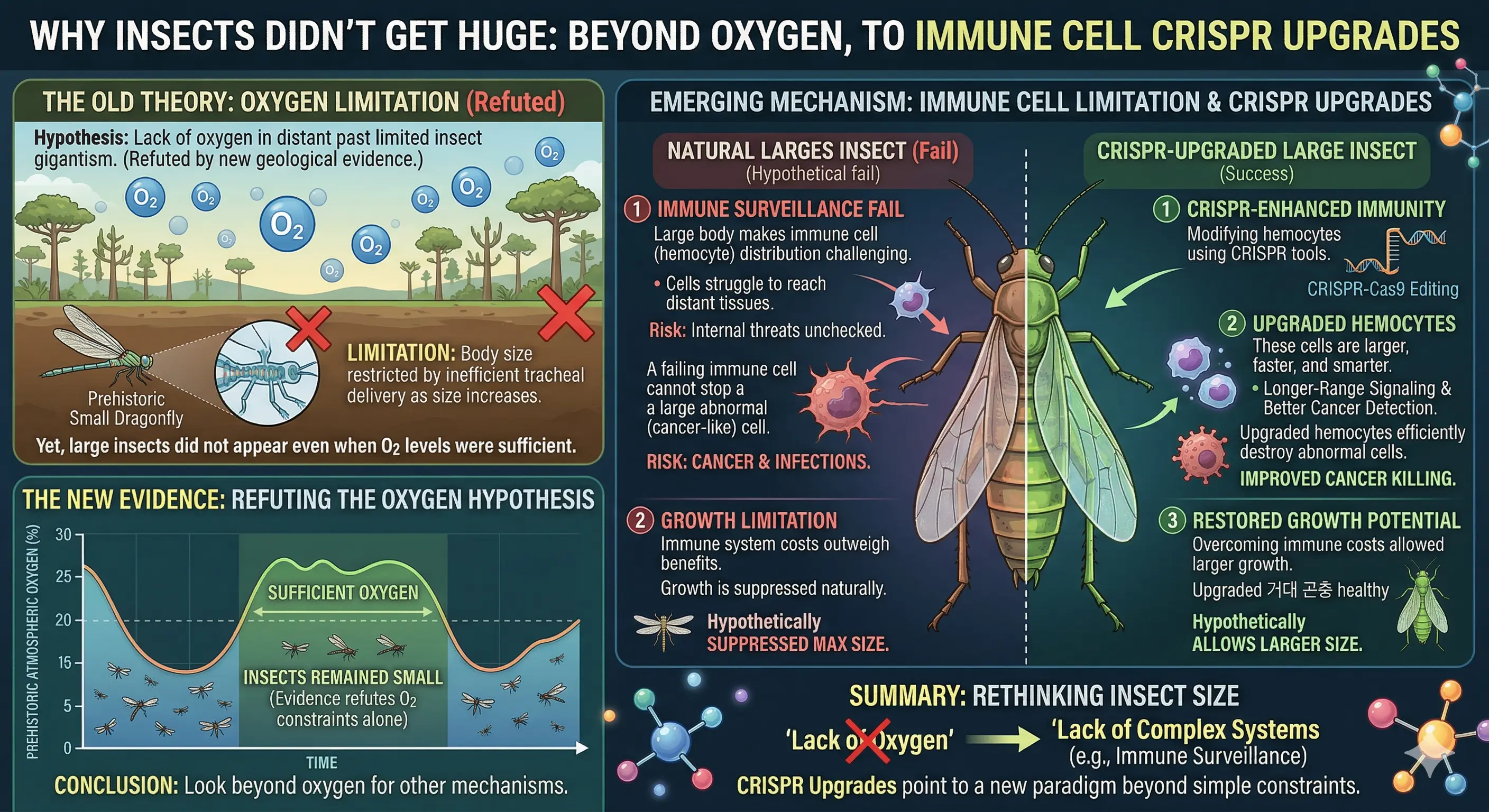
Why Insects Didn't Get Bigger: It's Not Oxygen, But Immune Cells Upgraded with CRISPR
Previously, it was thought that insects couldn't grow larger due to insufficient oxygen, but new evidence contradicts this. In fact, even with sufficient oxygen levels, large insects did not appear. Instead, modifying immune cells with CRISPR significantly enhances their ability to combat cancer cells, which may be related to insect size. Now, it's time to look for alternative mechanisms beyond oxygen.
💡 Rethinking the mechanisms controlling organism size could lead to new applications in medicine and biotechnology
 Nature🤖 AI summary
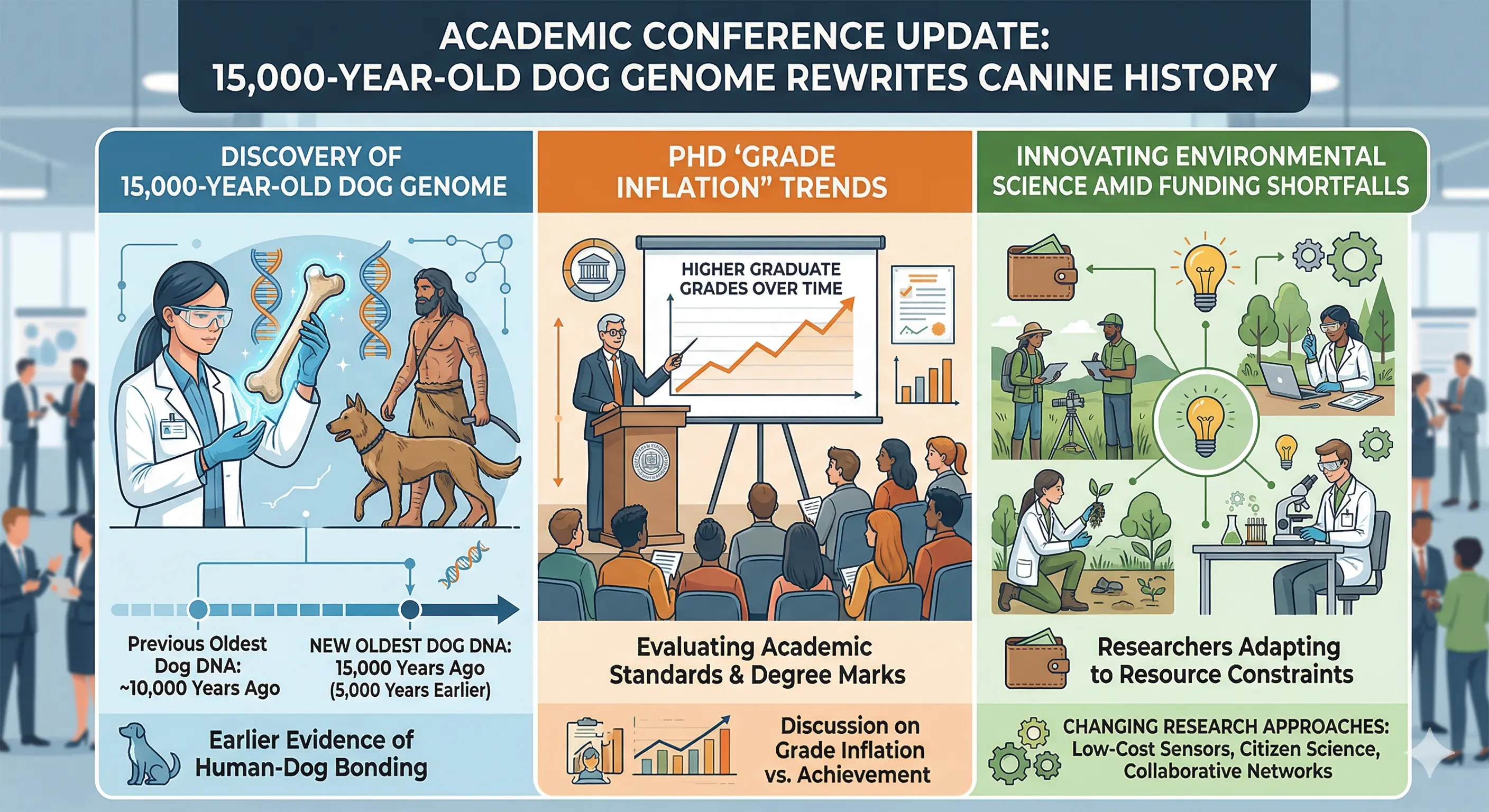
15,000-Year-Old Canine Genome Reveals Earlier Domestication Timeline
Recent studies analyzed remains dating back 15,000 years, pushing back the timeline of canine domestication by approximately 5,000 years compared to previous records. This discovery highlights an earlier integration of dogs into human societies with diverse lifestyles. Additionally, discussions on 'grade inflation' in doctoral degrees and innovative research strategies by environmental scientists facing funding shortages were addressed.
💡 This finding significantly extends our understanding of the duration and depth of the human-canine partnership.

