The Hidden Cost of Intracisternal AAV Delivery: Elucidating Genomic Integration and Neuroepithelial Tumor Induction Mechanisms in Neonatal Models
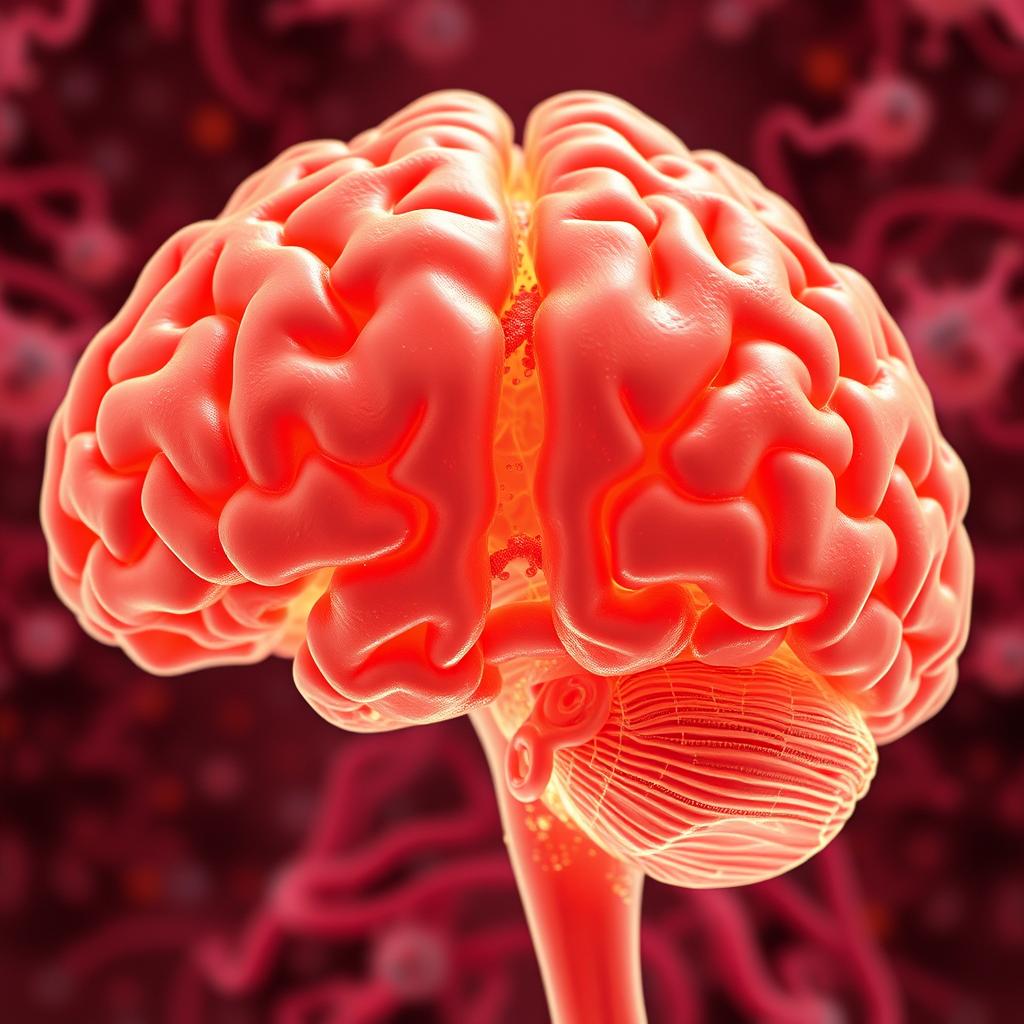
##1. The Dual Nature of Intracisternal (ICM) Delivery: Risks of Widespread Distribution and High‑Concentration Exposure Intracisternal magna (ICM) injection has been highlighted as a promising route that bypasses the blood‑brain barrier (BBB) and enables efficient delivery of AAV throughout the central nervous system (CNS). However, this approach exposes specific brain regions to extremely high vector concentrations, and in rapidly proliferating brain tissue of infants and neonates, the probability that AAV remains episomal versus integrates into the host genome rises dramatically. The identity of AAV, long regarded as a “safe non‑integrating vector,” can thus shift to a “carcinogenic inducer” depending on the delivery route and timing.
##2. Warning from a Neonatal Mouse Model: Causal Link Between AAV Integration and Neuroepithelial Tumors The investigators injected AAV into the intracisternal space of neonatal mice and performed long‑term follow‑up, observing malignant neuroepithelial tumors in a majority of subjects. Genomic analysis of the tumor tissue revealed physical integration of AAV vector DNA at specific loci in the host genome, with a pronounced clustering near oncogenes involved in cell proliferation. These findings provide compelling empirical evidence that AAV functions not merely as a delivery vehicle but as an “insertional mutagen” that disrupts genomic architecture and drives aberrant gene expression.
##3. Insertional Mutagenesis: Uncontrolled Promoter Activity The most hazardous element when AAV integrates is the strong promoter and enhancer sequences carried by the vector. The team demonstrated that the transcriptional regulatory elements of the inserted AAV can cis‑activate neighboring host proto‑oncogenes, forcing their expression. In highly plastic environments such as developing brain cells, these abnormal signals suppress apoptotic pathways and accelerate tumorigenesis, indicating that vector design itself can become a trigger for oncogenesis in AAV gene therapy.
##4. Shifting the Safety Paradigm for Brain Gene Therapy and the Regulatory Landscape The study is critically important because it raises an immediate “red flag” for ongoing pediatric brain disease gene‑therapy trials. Consequently, regulatory expectations will evolve from simple efficacy readouts after AAV administration to mandatory high‑resolution sequencing for integration profiling and long‑term tumor surveillance. Moreover, integration‑deficient vector designs that prevent genomic insertion, or safety‑lock technologies that avoid interference with neighboring genes even when integration occurs, are poised to become central pillars in the next generation of CNS gene‑therapy products.
New England Journal of Medicine, Online Ahead of Print, May 2026.
Summary: Long-term follow-up of neonatal mice after intracisternal magna (ICM) delivery of AAV vectors revealed the development of malignant neuroepithelial tumors. Genomic analysis confirmed AAV integration into the host genome, driving oncogene over-expression via insertional mutagenesis. These findings raise critical safety concerns regarding CNS-directed gene therapies, highlighting the need for rigorous monitoring of genomic integration and vector-mediated oncogenesis.
This dataset empirically demonstrates the causal chain linking ICM delivery, AAV integration, and tumor formation in a mouse model, fundamentally redefining safety assessment criteria for brain gene therapy. In particular, the insight that neonatal administration combined with high‑local vector concentration maximizes insertional mutagenesis risk will serve as a pivotal reference for designing pediatric gene‑therapy products and shaping FDA/EMA regulatory strategies.