Ancient dog genomes extend the genetic record of dogs by more than 5,000 years
Background
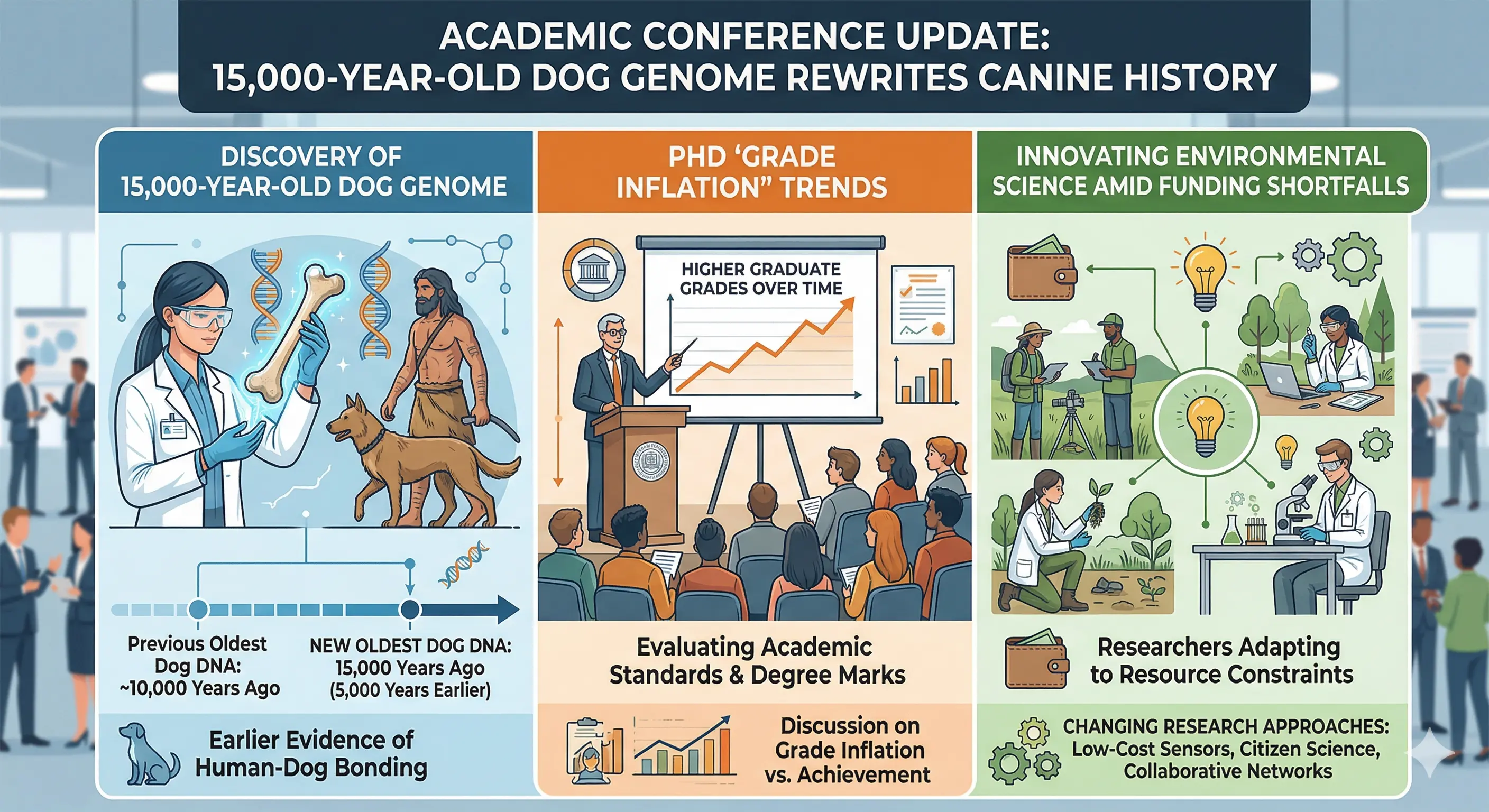
Ancient genomic evidence offers insight into the place of dogs in early human communities. On March 26, 2026, Nature Briefing reported that researchers recovered dog genomes from remains dating to 14,000–16,000 years ago at sites in Europe and the Middle East. The findings extend the genetic record of dogs more than 5,000 years further into the past.
Key findings
According to the briefing, researchers also identified an early domesticated dog population spread across western Eurasia and kept by diverse hunter-gatherer groups. Nature Briefing described this as evidence that different human groups moved and exchanged dogs. The findings support the view that dogs were important in early communities with different ways of life.
Significance and outlook
What this discovery extends further into the past is the genetic record of dogs that can be established from genomes. It does not mean that dog domestication or coexistence with humans began more than 5,000 years earlier. The available briefing alone does not allow the sample count, analytical methods, or routes of exchange between groups to be confirmed, making it difficult to draw firm conclusions about the specific origins of domestication or routes of movement.
Source: Nature Briefing, March 26, 2026
Published online: March 26, 2026; DOI: 10.1038/d41586-026-00992-0
The genetic analysis of 15,000-year-old dog remains underscores their early significance to human communities with varied lifestyles, alongside insights into academic credentialing trends and adaptive research methodologies in environmental science under financial constraints.
Older dog genomes extend the time span over which researchers can compare the relationship between early human groups and dogs using genetic evidence. Future studies could compare them with ancient dog genomes from other sites to examine hypotheses about dog population distribution and movement or exchange among human groups. This describes a possible research use; it does not mean these findings establish a specific exchange route or the start of domestication.