You Are Not the Problem; An Old Default Turned On
Before deciding that a repeated reaction is a flaw in you, try giving it a name and observing it from a little distance.
After accepting another request we did not have room for, or doubting an entire relationship because a reply was late, we often turn against ourselves. “Why am I like this?” The transcript offers another view: the problem may be an old reaction pattern, not your whole self.
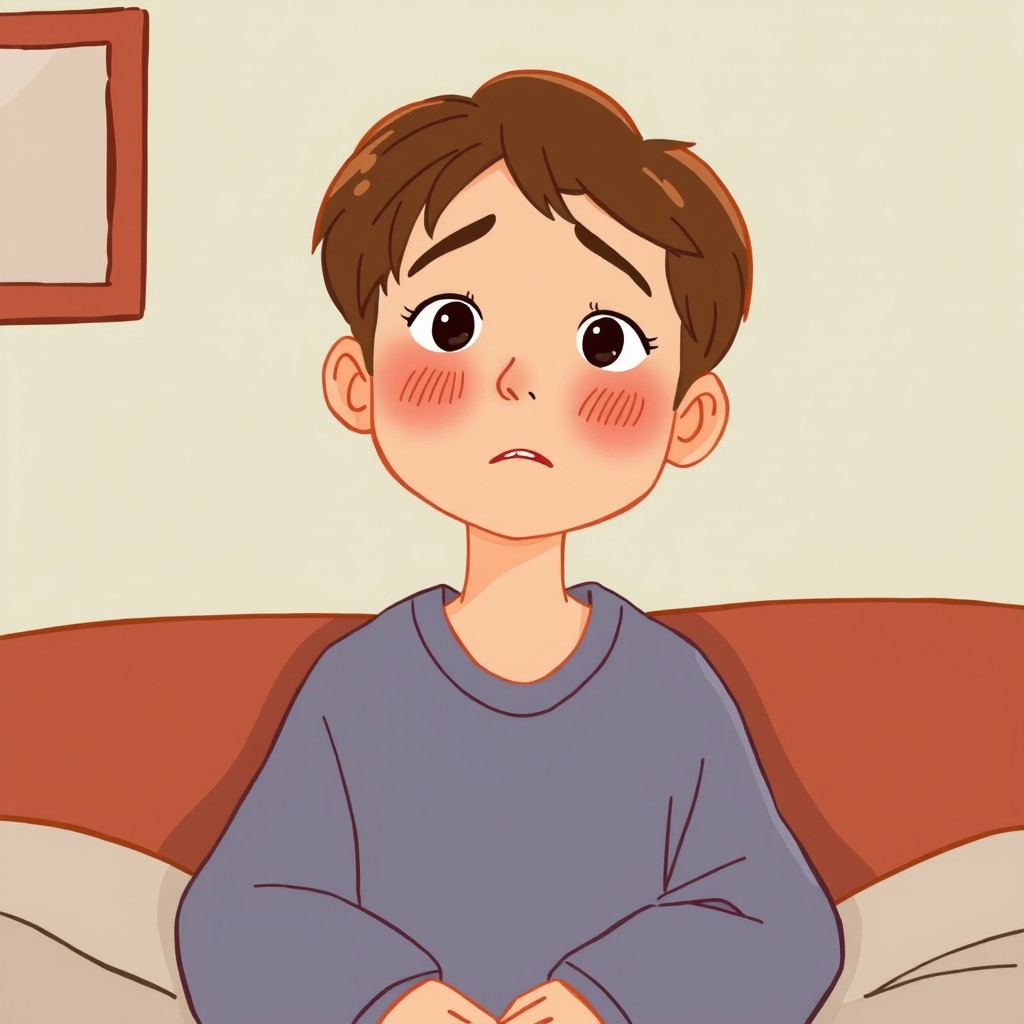
A little space between you and the pattern
The video calls the habit of automatically accepting requests an “automatic door.” Once it has a name, “I am weak” can become “the automatic-door mode is on.” That small separation creates room to breathe.
A voice is not a verdict
When a small mistake triggers “everything is ruined,” the video imagines an “extreme-news channel” broadcasting inside. It is one opinion playing—not your identity, and not a judgment you must obey.
Notice the button
Some people feel betrayed when a reply is late or someone seems less warm. The task is not to erase the feeling, but to notice what signal presses the button. Awareness can create a little time before the reaction takes over.
One different choice today
Old defaults may come from earlier experiences, but they are not permanent truth. You do not need a grand project of self-correction. Pause before accepting a request, send a reply later, or check once more before speaking. One small choice is enough.
Self-blame consumes energy. Separating yourself from a pattern can be a way to reclaim some of it. If the automatic door opened first today, you did not fail. An old mode turned on. The door can also close, or pause.