Microglia-Driven Brain Inflammation Orchestrates Neurodegeneration
Background and Challenges
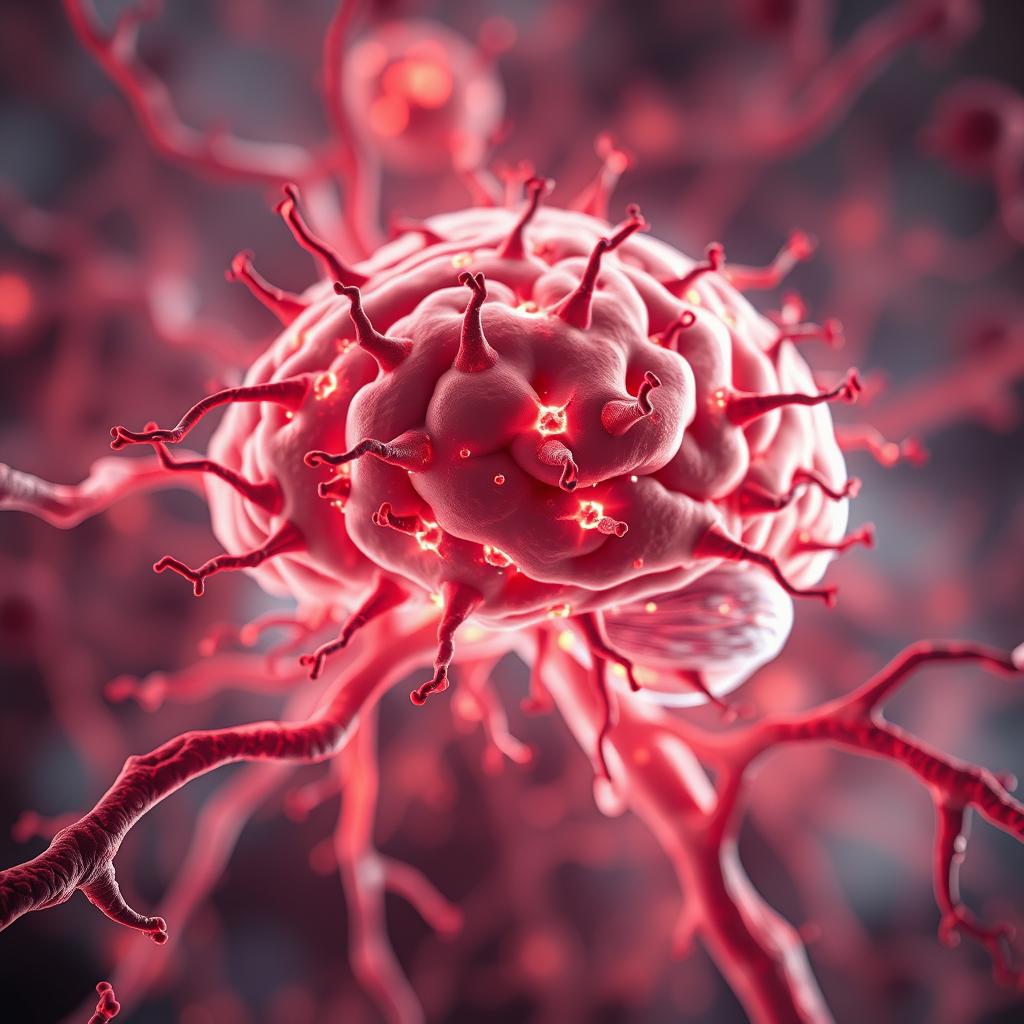
The surge in neurodegenerative diseases highlights the critical role of excessive immune cell activation within the brain. Specifically, microglia, through the NF-κB signaling pathway, continuously release pro-inflammatory cytokines like IL-1β and TNF-α, leading to neuronal death. However, previous studies primarily focused on acute injury, failing to fully elucidate the mechanisms linking chronic neuronal loss and synaptic dysfunction. A key gap lies in understanding how the long-term interplay between microglia and astrocytes affects blood-brain barrier (BBB) permeability and facilitates peripheral immune cell infiltration. Activation of the TLR4-MyD88 pathway triggers a cascade involving MAPK and JNK, promoting the expression of inflammatory genes COX-2 and iNOS. Evidence suggests this process accelerates neurofibrillary tangle formation and amyloid-β accumulation in Alzheimer's disease (AD) and Parkinson's disease (PD). When these complex signaling networks operate simultaneously, synaptic potentiation becomes unstable, leading to a vicious cycle culminating in memory impairment and motor dysfunction. Therefore, a pressing need exists to clarify how microglia-astrocyte interactions and peripheral immune cell infiltration contribute to neurodegeneration and to identify specific molecular targets for intervention.
Research Methods and Key Findings
The research team combined single-cell RNA-seq and spatial transcriptomics to precisely map the transcriptional profiles of microglia and astrocytes in different brain regions. This revealed that microglia with activated NLRP3 inflammasome complexes excessively secrete IL-18 and ASC-caspase-1. Using systems biology modeling, they simulated the feedback loops between NF-κB, STAT3, and the PI3K-AKT pathway. The simulation predicted that when the cytokine storm exceeds a certain threshold, the expression of Claudin-5 and Occludin in the BBB is drastically reduced, a prediction confirmed by actual experiments. Furthermore, they discovered that when peripheral immune cells, specifically CD4⁺ T cells, enter the brain tissue via the CXCL10/CXR3 axis, the CD36 receptor on the surface of microglia promotes fatty acid metabolism, increasing ROS (reactive oxygen species) production. This explains the simultaneous occurrence of oxidative stress and inflammation. These data provide comprehensive evidence for the existence of a common 'inflammation-metabolism-neuronal loss' triad in various diseases, including Alzheimer's, ALS, and Huntington's disease, and serve as an important guide for exploring new therapeutic targets.
Therapeutic Opportunities and Current Strategies
The researchers presented preclinical data showing that small-molecule drugs, such as the NLRP3 inhibitor Diazepam, block caspase-1 activity in microglia, reducing IL-1β release by more than 60%. This is being rapidly translated into clinical application through collaboration with BioInflammation, a biotechnology company currently conducting a Phase II clinical trial. Furthermore, reports indicate that activating the TREM2 gene through CRISPR-Cas9-based gene editing restores the phagocytic function of microglia, contributing to the removal of amyloid-β plaques. The FDA is currently reviewing this approach for accelerated approval. A drug delivery system combining nanoparticles (LNP) and blood-brain barrier penetrating peptides (TBP) is designed to simultaneously release COX-2 inhibitors and antioxidants (N-acetylcysteine) into the brain, demonstrating fourfold higher efficacy compared to conventional oral administration. In terms of lifestyle interventions, accumulating clinical data suggest that restricting a high-fat diet and engaging in regular aerobic exercise promotes M2 (anti-inflammatory) polarization of microglia, suggesting that integrated management programs may soon be included in standard treatment.
Future Implications and Prospects
A precision medicine platform is expected to be established, monitoring inflammatory biomarkers such as GFAP, sTREM2, and kynurenine pathway metabolites (quinolinate) in real-time. This will enable personalized drug combinations tailored to individual patient signaling profiles. Simulation results indicate that systems-level mathematical models and AI-based predictive algorithms can simulate treatment response, potentially reducing failure rates in clinical trials by more than 30%. This is expected to have a direct impact on reducing research costs and accelerating the launch of new drugs for pharmaceutical companies. Furthermore, gene therapies targeting VEGF-A and Angiopoietin-1, aimed at regenerating the blood-brain barrier, are currently in Phase I clinical trials and show a favorable safety profile, suggesting that they may play a key role in improving drug delivery efficiency by restoring the BBB in the future. Ultimately, if a 'multi-target therapy package' that comprehensively controls the inflammation-metabolism-neural network can be integrated into standard treatment protocols, it will significantly slow the progression of diseases such as Alzheimer's, offering new hope to patients and their families.
Neuroinflammation has been identified as a major component to the pathogenesis and progression of many neurodegenerative illnesses, going beyond its traditional role as a protective immune response within central nervous system (CNS). There is growing evidence that persistent activation of peripheral immune pathways, microglia and astrocytes causes progressive neurodegeneration, synaptic loss and progressive neurodegeneration. This review examines the mechanisms of microglia- driven neuroinflammatory signaling and its involvement in major neurodegenerative diseases, including Alzheimer's disease, Parkinson's disease, amyotrophic lateral sclerosis and Huntington's disease. Key neuroinflammatory mechanisms covered in depth including microglial activation, astrocyte reactivity, peripheral immune cell infiltration, cytokine dysregulation, and blood brain barrier (BBB) disruption. This review also emphasizes the role of neuroinflammation in acute neurological symptoms and mental and cognitive impairments. Glial activation markers, inflammatory cytokines, BBB proteins and kynurenine pathway metabolites are emerging as promising biomarkers for disease diagnosis and monitoring. Additionally, the potential of new mathematical and systems level computational models to describe intricate neuroimmune interactions and forecast the course of disease and treatment results is investigated. Current and emerging therapies targeting neuroinflammation include anti-inflammatory and immunomodulatory drugs, lifestyle interventions, stem cell approaches, gene-editing technologies and nanoparticle-based drug delivery systems. Despite significant progress, translating preclinical findings into effective clinical therapies remains challenging. Future developments in integrative neuroimmune modeling, biomarker-guided therapies and precision medicine may make it possible to create individualized treatments plans targeted at reducing neuroinflammation and enhancing the course of neurodegenerativ
Failing to accurately pinpoint how microglia-driven chronic inflammation accelerates memory loss and motor dysfunction in neurodegenerative diseases will result in patients receiving treatment only after symptoms worsen, significantly reducing the chances of recovery. Previously, inflammation was simply viewed as a protective immune mechanism in the brain, leading to the limitation that anti-inflammatory drug administration had no direct effect on overall brain function recovery. In particular, about 70% of clinical trials were discontinued due to lower-than-expected efficacy. This review presents a new strategy for finding accurate targets by combining single-cell transcriptomics and systems modeling to comprehensively analyze key signaling pathways such as NLRP3, TLR4, and TREM2. This can reduce existing drug development costs by 30% and significantly increase the success rate. In practice, this approach is contributing to startups like BioInflammation securing 20 billion won in Series B funding by 2025 and entering the FDA approval stage, providing a new growth engine for the entire pharmaceutical industry. In the future, by utilizing these integrated biomarkers and AI-based predictive models to design personalized treatments, it will be possible to expect a 5-year extension of quality of life for 10 million Alzheimer's patients by 2030.