Competition for cytoplasmic resources between two pronuclei regulates epigenetic marks and developmental potential in mouse zygotes
Background: Why are the parental genomes kept in two pronuclei?
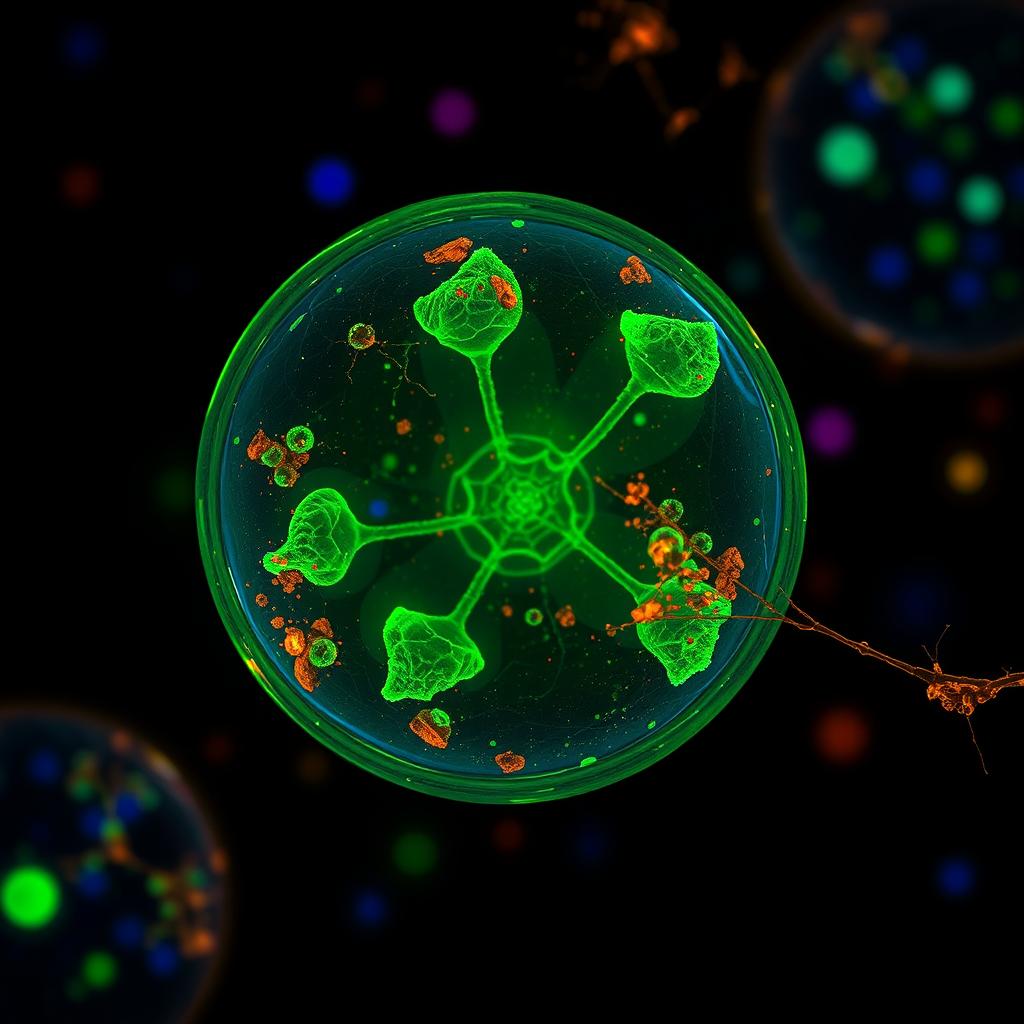
A study published in Nature reports that competition for cytoplasmic resources between the maternal and paternal pronuclei in mouse zygotes limits excessive pronuclear growth and supports the regulation of epigenetic marks and developmental potential. The findings show that housing the parental genomes in separate pronuclei has a developmental function.
In mammalian zygotes, maternal and paternal chromosomes reside in separate pronuclei until entry into the first cell division. The benefit of this two-pronucleus (2PN) state has been unclear. Zygotes with a single pronucleus (1PN) are also observed in assisted reproduction, and some are diploid and contain both parental genomes. The researchers generated mouse zygotes with both parental genomes in one pronucleus and compared them with normal 2PN zygotes. This basic research study combined cytoplasmic manipulation, quantitative imaging, and theoretical modeling.
Key findings: When competition was removed, pronuclei grew and marks declined
The pronucleus in biparental 1PN zygotes produced by intracytoplasmic sperm injection (ICSI) had a volume nearly equal to the combined volume of the two pronuclei in normal zygotes. In these enlarged pronuclei, total fluorescence signals for H3K4me3 and H3K27me3, trimethylation marks on histone proteins, were reduced. Quantification of the signals for these marks relative to histone H3 in maternal chromosomal regions also confirmed the decreases. By contrast, the total signal for H3K9me3 did not decline significantly.
When the amount of cytoplasm was halved or doubled, the volumes of the two pronuclei became smaller or larger, respectively. H3K4me3 and H3K27me3 levels were lower in enlarged maternal pronuclei and higher in smaller ones. Imaging and theoretical modeling supported an explanation in which both pronuclei grow by importing limited components from the shared cytoplasm. The researchers interpret the results as indicating that competition restrains excessive pronuclear expansion and contributes to the regulation of epigenetic marks.
The researchers temporarily introduced a competing pronucleus during the pronuclear growth phase of biparental 1PN zygotes and then removed it. This suppressed enlargement of the biparental pronucleus and restored H3K4me3 and H3K27me3 in maternal regions. Reducing the amount of cytoplasm also restored the two marks in maternal regions. However, paternal H3K27me3 largely remained unrestored after introduction of the competing pronucleus. The researchers suggested that mixing of maternal and paternal intranuclear components may contribute to the reduction of this mark.
Differences also appeared in developmental outcomes. The proportions of 1PN-derived embryos that reached the morula or blastocyst stage in vitro were similar to those in controls, but the proportion that developed to term after transfer of two-cell embryos was significantly lower. Temporary introduction of a competing pronucleus improved the rate of development to term. Treatment with the histone deacetylase inhibitor trichostatin A (TSA) also raised H3K4me3 levels in maternal regions and partially restored the ability to develop to term. TSA did not significantly improve development in normal 2PN zygotes.
Meaning and outlook: Blastocyst formation and later development must be distinguished
These results provide evidence that the spatial separation of parental genomes is involved in regulating pronuclear size and epigenetic marks. However, the identity of the limiting components that the pronuclei compete for, and the molecular mechanism linking pronuclear volume to mark regulation, remain unknown. Explanations such as the dilution of specific regulatory proteins in enlarged pronuclei remain hypotheses requiring further testing.
The characteristics of human zygotes and the safety and efficacy of these manipulations also require separate evaluation. The partial rescue observed in mice does not establish effectiveness in human embryo selection or treatment, and the study did not assess prevention of genetic disease. The study design also had limitations: experiments and analyses were not blinded, and sample sizes were not statistically determined in advance.
The study design and results are described in the provided public full text of the Nature paper.
Nature, Published online: 29 April 2026; doi:10.1038/s41586-026-10417-7Drug-based and manipulation-based strategies provide evidence of pronuclear competition for finite cytoplasmic resources between separate parental pronuclei in zygotes, suggesting a cell biological mechanism for the cytoplasm-mediated remote parental interaction that regulates epigenetic marks.
For assisted-reproduction researchers assessing the developmental potential of embryos derived from biparental 1PN zygotes, these findings provide evidence that reaching the blastocyst stage alone may not adequately account for development after transfer. In mice, in vitro development was similar to that of controls, yet the rate of development to term was lower. Follow-up studies could measure pronuclear volume and epigenetic marks together and examine their relationship with later developmental outcomes. Experiments that rescued some defects by introducing a competing pronucleus or using drug treatment also offer ways to investigate the function of epigenetic regulation. However, it remains unknown whether these measures predict human embryo development or whether the manipulations are safe. There is not yet evidence to support their use as validated embryo-selection criteria or infertility treatments.