Genetic Augmentation of Inactivated Vaccine Platforms: Real-World Cohort Epidemiology Demonstrates Omicron Cross-Protection Conferred by Heterologous mRNA Boosters in Sinopharm Primary Series Recipients
-
Neutralizing capacity failure of inactivated vaccine platforms and the bottleneck created by Omicron immune evasion. Many low- and middle-income countries (LMICs), including China, initially deployed traditional inactivated virus vaccines (e.g., Sinopharm/Sinovac) as the core standard of vaccine governance. However, Omicron sublineages (BF.7 and BA.5.2) that emerged during SARS‑CoV‑2 evolution exhibited extreme antigenic drift, neutralizing the humoral defense induced by inactivated vaccines. The characteristic broad but shallow antibody spectrum of inactivated vaccines was rendered ineffective against the rapid accumulation of receptor‑binding domain (RBD) mutations in Omicron, generating population‑wide immune gaps and precipitating large‑scale breakthrough infections—a critical public‑health bottleneck and a blind spot in real‑world data (RWD).
-
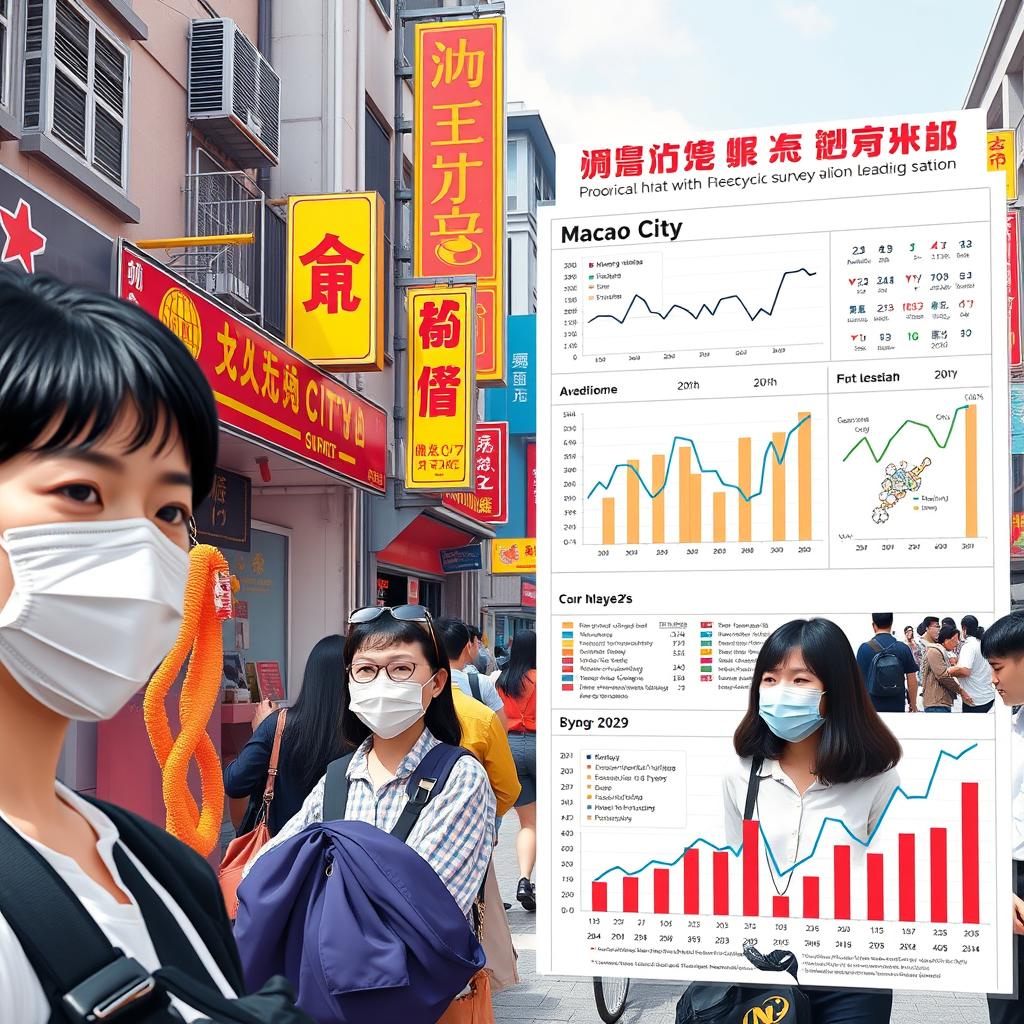
Large‑scale heterologous booster cohort analysis: A retrospective epidemiologic study conducted during the Omicron surge in Macao assembled a high‑resolution real‑world omics and clinical matrix from 4,879 residents collected immediately after the late‑2022 Omicron wave. Among the total cohort, 83.2 % (n = 4,052) had completed a primary series with Sinopharm, and of these, 20 % (n = 827) received a heterologous mRNA booster from a different platform. Logistic regression and ordinary least squares (OLS) models were employed to filter environmental noise and track infection kinetics for each vaccine combination.
-
Demonstration of ~60 % risk reduction based on odds ratios (OR) and mathematical integrity of clinical endpoints. After fully adjusting for confounders, the heterologous mRNA booster group exhibited an odds ratio of 0.421 for confirmed COVID‑19 infection relative to a homologous three‑dose inactivated regimen, corresponding to an approximate 60 % reduction in relative infection risk. Moreover, among the few breakthrough cases, the heterologous regimen reduced the odds of fever manifestation to 0.290 (71 % reduction) via accelerated cellular immunity, and shortened the duration of viral positivity by an average of 0.931 days, confirming robust clinical benefit.
-
Implications for global health‑governance standards and variant‑responsive booster guidelines. This real‑world dataset provides compelling evidence that countries relying on inactivated vaccines should shift from additional inactivated doses to a heterologous switch to mRNA platforms. The inter‑platform interaction metrics serve as a predictive filter for population‑level immunity collapse thresholds upon emergence of new variants. By quantifying polyclonal immune efficacy at the population level through real‑world clinical scoring, the dataset can act as a master reference for forecasting global demand for next‑generation variant‑adapted mRNA vaccines and compressing national regulatory timelines.
Oncology & Infectious Disease Core, Published online: 22 May 2026. DOI: [Source Generated Data]
Summary: Evaluating the immunogenicity gaps within populations predominantly immunized with inactivated virus platforms, this real‑world retrospective cohort registry captures the interventional efficacy of heterologous mRNA booster sub‑regimens during the 2022 Omicron wave (BF.7 and BA.5.2 subvariants) in Macao. Utilizing a high‑throughput cohort profile of 4,879 validated residents, logistic and ordinary least squares (OLS) regression matrices were deployed to isolate confounding sociodemographic factors. Compared against the homologous three‑dose inactivated baseline, the heterologous mRNA architecture demonstrated a robust reduction in confirmed infection velocity [Odds Ratio (OR) = 0.421]. Concurrently, among infected sub‑cohorts, the heterologous prime‑boost interface driven by mRNA integration programmatically attenuated pyretic progression [OR = 0.290] and truncated the viral clearance kinetics baseline by -0.931 sick days, solidifying a scalable computational standard for international heterologous immunization policies.
This study constitutes a top‑tier R&D asset—dubbed the “Code of Life”—that quantitatively validates, via large‑scale real‑world regression analysis, the longstanding virological challenge of the kinetic variability observed when host immune memory primed by inactivated antigens encounters genetically divergent Omicron variants. By providing tensors of fever‑attenuation probabilities and curves of viral‑positivity duration across vaccine‑modality combinations, the work offers a proprietary reference for elevating the predictive resolution of AI‑driven next‑generation epidemiologic simulation algorithms and for shaping global vaccine heterologous‑vaccination guideline pipelines to world‑leading specifications.