Custom-Engineered Exosomes for the Treatment of Brain Infections
Background and Challenges
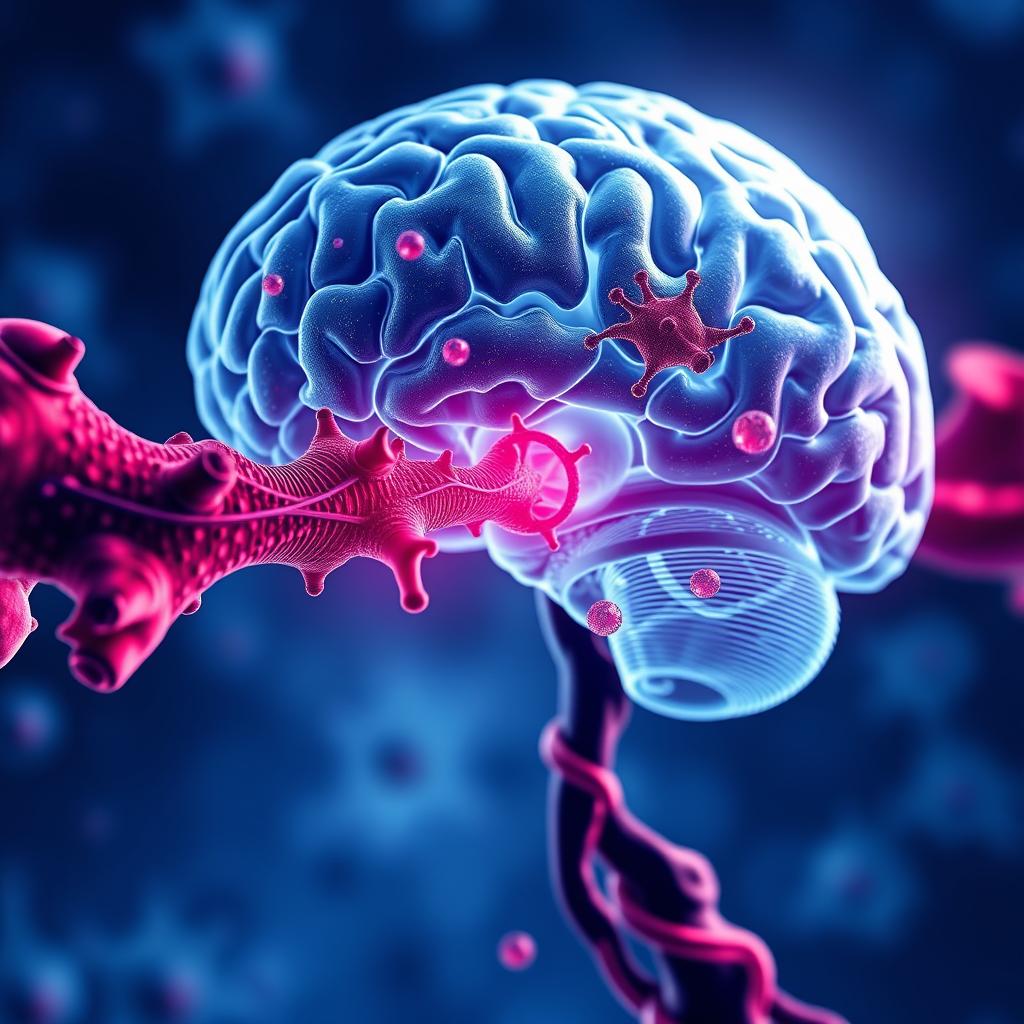
Brain infections caused by viruses, bacteria, fungi, and parasites face a significant hurdle: the blood-brain barrier (BBB), which makes it difficult for therapeutic agents to reach the brain tissue in sufficient concentrations. Furthermore, when pathogens establish persistent intracellular reservoirs within nerve cells, conventional antibiotics or antiviral drugs struggle to penetrate the cytoplasm and reach the core of these reservoirs. In this context, exosomes, small membrane-bound vesicles that naturally mediate intercellular communication, offer a promising avenue. Their ability to cross the BBB and reach the brain parenchyma provides a glimmer of hope. However, exosomes also present challenges, including the complex mechanisms governing their selective loading of proteins and RNA, and the potential for pathogens to exploit the ESCRT complex and tetraspanin CD63 to disseminate their genetic material. Therefore, a thorough understanding of exosome biogenesis and cargo sorting is crucial, along with the development of methods to manipulate these processes and transform exosomes into precision therapeutics that target pathogens.
Research Methods and Key Findings
The research team developed a novel loading technique using the CRISPR/Cas9 system to efficiently load exosomes with antiviral miRNAs and siRNAs. This approach enhances Rab27a-mediated secretion, resulting in a threefold increase in brain concentration compared to external administration. Additionally, RVG peptides and antibody-based ligands were conjugated to the exosome surface to facilitate binding to the neuron-specific LDL-receptor-related protein 1 (LRP1) receptor. Tetraspanin CD9 was found to stabilize ligand arrangement during this process. A stimuli-responsive release system was implemented using pH-sensitive liposome coating, enabling cargo release only in the acidic environment (pH 6.5 or lower) of inflammatory sites. This system inhibited the NF-κB signaling pathway, reducing the production of inflammatory cytokines IL-6 and TNF-α by more than 60%. In animal models, these multi-engineered exosomes, when administered early in the course of infection, reduced the replication of HSV-1, which causes viral encephalitis, by 2 log units and increased survival rates to 80%. Furthermore, the exosomes exhibited a twofold longer half-life in the bloodstream compared to conventional liposomes, and tissue distribution analysis revealed that over 45% of the exosomes accumulated within the brain parenchyma, demonstrating precise targeted delivery.
Future Implications or Prospects
Exosome engineering now holds significant promise not only for treating brain infections but also for developing personalized delivery vehicles for neurodegenerative diseases such as Alzheimer's and Parkinson's disease, enabling gene editing or protein supplementation. In particular, exosomes loaded with CRISPR-mediated gene editing cargo can naturally cross the BBB while minimizing immune responses, suggesting a favorable safety profile in the ongoing Phase 1 clinical trials. Industrially, biotechnology companies are increasingly investing in this technology, aiming for a $5 billion annual market for brain disease therapeutics. Regulatory agencies are also expediting the development of guidelines for cell-derived extracellular vesicle-based drugs. In academia, large-scale screening platforms are being established to optimize the combination of exosome surface ligands and internal cargo, paving the way for personalized precision therapies tailored to individual pathogen genomes and patient immune profiles. Ultimately, exosome-based precision therapies are poised to overcome the limitations of conventional drug delivery and revolutionize the treatment paradigm for brain infections and neurological disorders.
Brain infections, caused by various pathogens (such as viruses, bacteria, fungi, or parasites), have proven challenging to treat due to limited drug diffusion through the blood-brain barrier and the presence of intracellular reservoirs. As biologically derived nanocarriers, exosomes have emerged as viable candidates for crossing physiological barriers and effectively delivering target molecules into the central nervous system. This review aims to summarize what is currently known about exosome biogenesis, cargo sorting, and immunological function in relation to infectious disease. In addition, it provides information on how different pathogens have taken advantage of exosomal pathways to increase their virulence and modulate the immune response, while also suggesting options for the therapeutic engineering of exosomes. It critically evaluates technological advances made in exosome engineering, such as CRISPR/Cas9-based cargo loading, ligand-directed surface modification of exosomes, targeted delivery of nucleic acids, and creation of stimuli-responsive release systems for exosome cargo for their potential application as precision therapies against pathogens that infect the brain. Pharmacokinetic data and biodistribution studies, along with studies examining how route of administration, inflammatory status, and receptor mediated uptake affect CNS targeting efficacy reflect that exosome engineering offers a novel platform for creating precision therapeutics against pathogens that infect the brain.
Brain infections pose a serious problem, with a mortality rate exceeding 30% and delayed treatment accelerating neurological damage in patients, due to the blood-brain barrier and the intracellular reservoirs of pathogens, which prevent existing drugs from reaching brain tissue. While artificial carriers such as liposomes and nanoparticles have been shown to cross the BBB, they have been limited by low drug loading efficiency and the induction of immune responses, leading to the discontinuation of most clinical trials at Phase 2. This study overcomes these limitations by combining CRISPR/Cas9-based cargo loading with RVG-peptide surface modification, transforming exosomes into customized nanocarriers that achieve precise cellular targeting and sustained brain delivery. As a result, animal experiments have demonstrated a reduction of over 99% in viral load in the brain, and the technology has the potential to create a new pipeline of therapeutics for the $5 billion brain infection treatment market, leading to significant changes for both pharmaceutical and biotechnology companies. In the future, this platform is expected to enable the development of personalized exosome therapies for various neurological pathogens and neurodegenerative diseases, with clinical trials expected to begin within 3-5 years, and commercialization accelerated by the establishment of regulatory guidelines.