The Shadow of Colorectal Cancer Threatening 2030: Uncovering the 'Environmental Traces' Imprinted in My Body
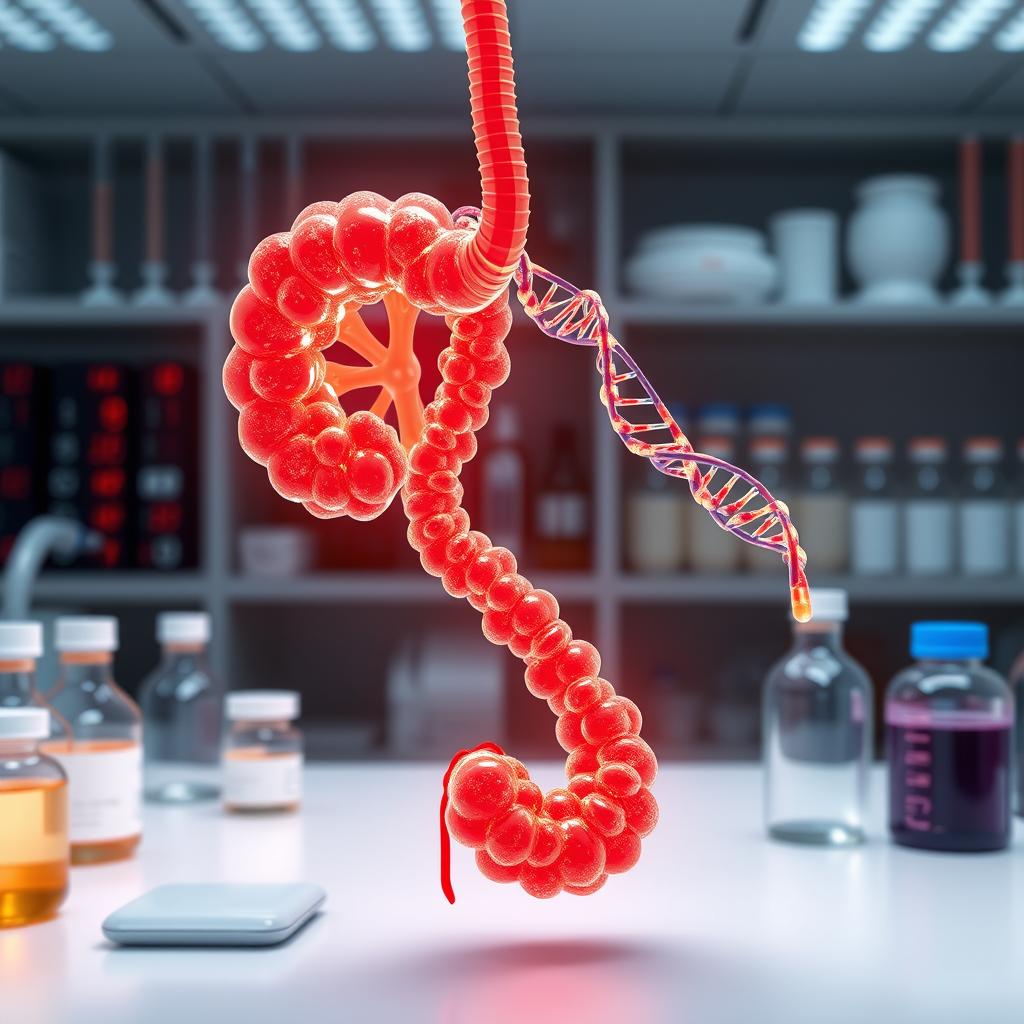
1. Early‑onset colorectal cancer: A hidden threat attacking youth
Recent cases of early‑onset colorectal cancer in individuals under 50, especially in their 20s and 30s, are increasing at an unprecedented rate. While urbanized lifestyle has been implicated as a factor beyond genetics, the precise agents that sow the seeds of cancer have remained obscure.
2. Innovative approach: Integration of exposome and epigenome
The research team combined exposome data—representing the totality of environmental exposures across a lifetime—with epigenome analysis, which governs gene expression. Using an epigenome‑wide association study (EWAS), they tracked more than 600,000 DNA methylation sites.
The results revealed that specific environmental exposures attach a “methyl” tag to particular DNA loci, thereby altering gene function.
3. Identified risk factors: High‑fat diet, sedentary lifestyle, and antibiotics
The study found that certain methylation marks that increase early colorectal cancer risk by 2–3‑fold are strongly associated with three environmental factors:
- Diet: Western‑style diet rich in saturated fat and processed meat.
- Physical activity: Prolonged sedentary lifestyle.
- Medical history: Frequent antibiotic use during childhood or early adulthood, which disrupts the gut microbiome.
These factors leave indelible marks on colonic epithelial cell DNA, effectively pressing the accelerator toward carcinogenesis.
4. Future implications: Blood‑based early warning from a drop of blood
This work provides precise biomarkers for preventing early colorectal cancer. In the future, liquid‑biopsy kits detecting this methylation signature could be used to screen high‑risk individuals before colonoscopy. Moreover, the findings will serve as robust scientific evidence for public‑health policies such as regulating processed foods and curbing antibiotic overuse.
Nature Medicine, Published online: 30 April 2026; doi:10.1038/s41591-026-04369-8The alarming rise in the incidence of colorectal cancer among younger individuals is probably due to environmental factors; epigenetic signatures of exposures may help uncover drivers of this trend, but questions remain.
"Because I'm young, it'll be fine" complacency can be dangerous, as this study scientifically demonstrates. Recognizing that my lifestyle habits do more than cause fatigue—they imprint a record of cancer onto my genes—highlights that everyday actions such as diet modification and exercise can serve as the most powerful 'anti‑cancer' interventions.