Opening the World of Lost Sound: OTOF Gene Therapy, a 2.5-Year Miracle
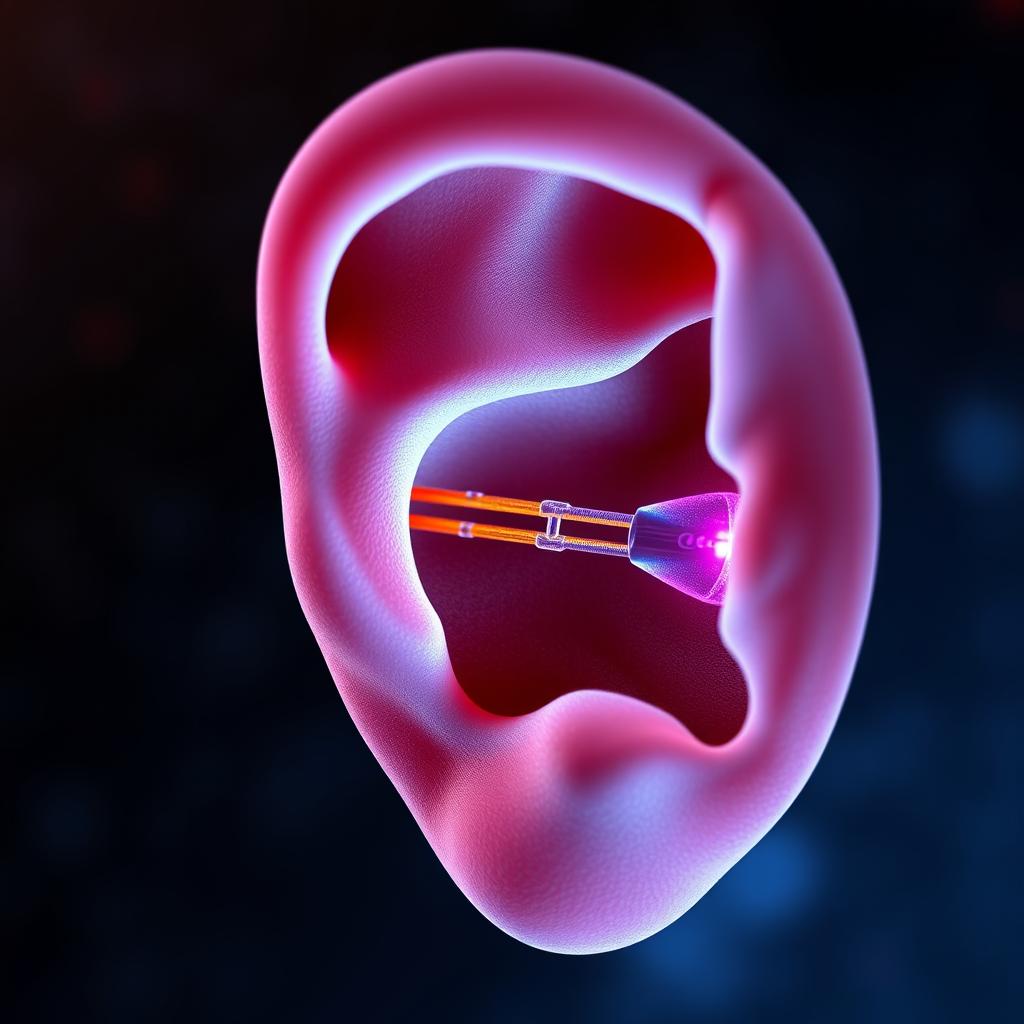
1. Children Trapped in Silence, the Barrier of Genetic Deafness
Genetic deafness caused by defects in the OTOF gene results from the absence of a protein that transmits sound signals to the brain. When a child cannot hear from an early age, language development stalls and profound social isolation ensues. Until now, there has been no disease-modifying therapy beyond hearing aids or cochlear implants, leaving many families struggling.
2. AAV1-hOTOF: A Gene-Repair Team Delivered Directly to the Inner Ear
The investigators used a safe delivery vehicle—adenovirus-associated virus (AAV1)—to carry a functional OTOF gene. They administered it directly into the inner ear, the deep compartment of the cochlea, using an innovative injection technique. This multicenter trial enrolled 42 participants ranging from 0.8-year-old infants to 32.3-year-old adults to evaluate safety and efficacy of the gene therapy on a large scale.
3. 2.5-Year Follow-Up: Voices Return, Conversations Restart
Follow-up for up to 2.5 years revealed striking results. The majority of patients experienced substantial hearing improvement without serious adverse events, and, most importantly, language perception—the ability to understand spoken words—improved dramatically. A high distortion-product otoacoustic emission (DPOAE) signal and earlier treatment timing emerged as predictive biomarkers of better outcomes, enhancing therapeutic precision.
4. Future Significance and Outlook
This success will accelerate development of therapies for OTOF-related deafness and other genetic forms of hearing loss. Rather than accepting auditory impairment as destiny, early gene-based restoration of hearing is poised to become as routine as vision screening. A world in which children hear their parents’ voices, attend school normally, and pursue their dreams is now within reach.
Nature, Published online: 22 April 2026; doi:10.1038/s41586-026-10393-yIn a multicentre trial of AAV1-hOTOF gene therapy involving 42 participants aged 0.8–32.3 years with autosomal recessive deafness 9, treatment demonstrated safety, tolerability, and improved hearing and speech perception, with age and distortion product otoacoustic emissions associated with treatment outcomes.
It has opened a path to a fundamental cure for patients with genetic deafness who previously faced a lifetime of silence due to the lack of treatment. In particular, it provides a tangible foundation for children in the critical golden period of language acquisition to regain hearing, communicate with the world, and develop into confident members of society, representing a profound humanitarian value.