Development of PINE-TREE technology, which selects only gene-corrected stem cells using real-time fluorescence signals
Background
Gene editing technology is a key tool in the field of life sciences for elucidating the causes of diseases and providing fundamental therapeutic methods. Prime editing (PE) technology, which precisely modifies the genome, reduces genomic instability and off-target effects by not cleaving double-stranded DNA. It also has the advantage of being able to perform precise base insertions, deletions, and substitutions. However, when applied to human pluripotent stem cells (hPSCs), the editing efficiency is significantly reduced, which has been a stumbling block. Stem cells have the potential to differentiate into various cells that make up the body, and are therefore highly valued in disease modeling research. However, when gene editing tools are introduced into hPSCs, the probability of successful editing is extremely low. Low editing efficiency requires repeated labor-intensive work to select cells with the desired mutations. This is why researchers have been waiting for a tool that can detect the success rate of stem cell gene editing in real time and effectively isolate the corrected cells.
Key Findings
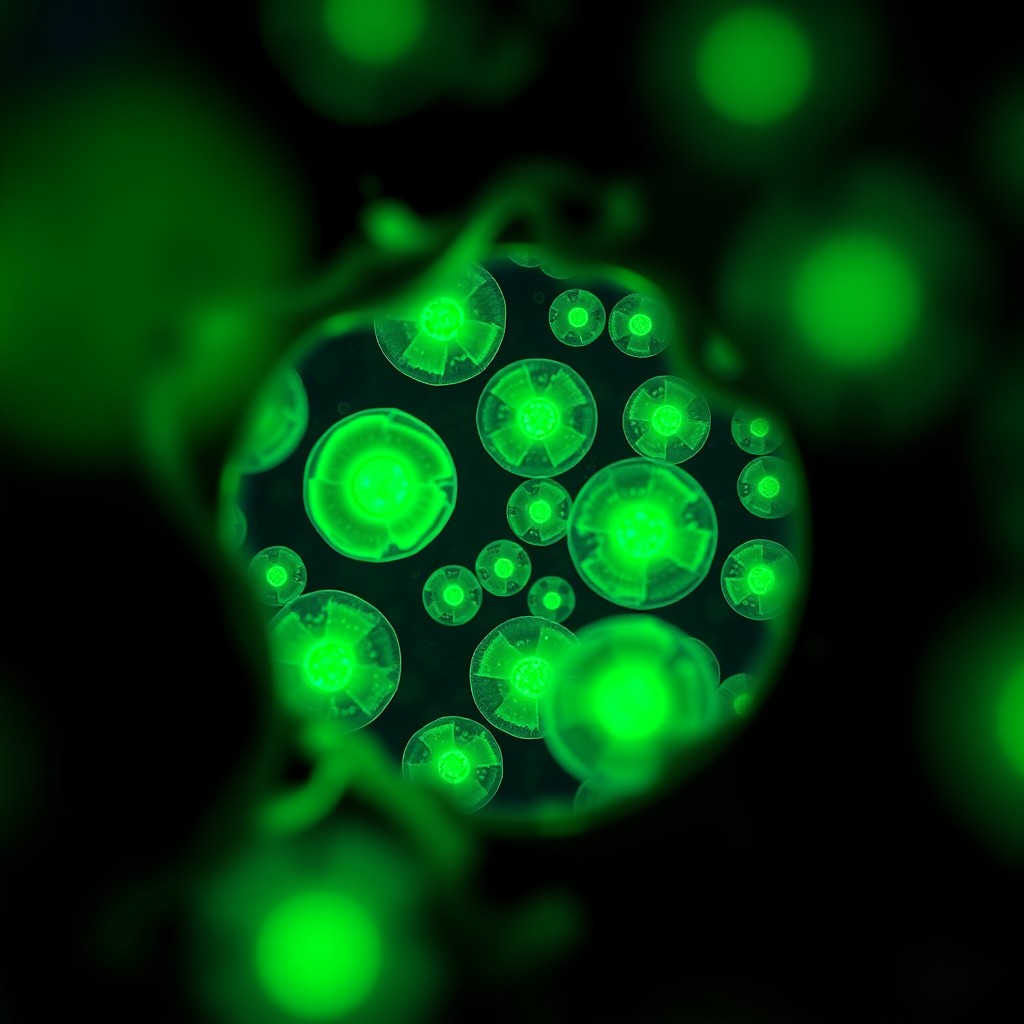
To overcome these problems, the researchers devised a prime editing enrichment technology using a transient reporter (Prime-Induced Nucleotide Engineering using a Transient Reporter for Editing Enrichment, PINE-TREE). This system is used to precisely classify cells that have successfully undergone PE by detecting them with real-time fluorescence signals. The method involves co-delivering PE tools and a transient fluorescent reporter plasmid into cells. The researchers designed the system so that a fluorescence signal is generated only when the PE system accurately modifies the gene sequence. When fluorescence expression appears in the edited cells, the researcher can select and quickly recover the desired cells using a flow cytometry instrument. This makes it possible to intuitively distinguish normal cells with only fluorescence signals before going through complex sequencing validation. This protocol describes in detail all steps from plasmid construction to transfection and single-clone isolation. It also includes an analysis method to evaluate the occurrence of off-target effects. The protocol has been refined by establishing a procedure to verify that the corrected stem cells fully maintain their original dedifferentiation state and pluripotency.
Significance and Prospects
PINE-TREE provides a useful tool for the field of genome engineering, which has been limited by low cell editing efficiency. This is because it can omit the cumbersome and lengthy selection process and quickly enrich cells with fluorescence signals. The researchers demonstrated the usefulness of this system in various cell lines, including human embryonic stem cells (hESCs) and induced pluripotent stem cells (iPSCs). The fact that it is not limited to specific PE tools and is compatible with various editing strategies is also a strong advantage of this technology. This technology is a promising alternative that will accelerate the construction of disease models to elucidate the mechanisms of genetic diseases. As gene editing of stem cells becomes more sophisticated, the development of patient-specific therapies is also expected to accelerate. However, in order to apply it to actual clinical use, it is necessary to completely eliminate the phenomenon of the fluorescent reporter plasmid being unintentionally inserted into the cell genome. Further research is needed to verify long-term stability and block random genome insertion in order to complete the task.
BACKGROUND: Prime editing is a versatile and precise genome-editing technique that enables targeted modifications with unprecedented accuracy. Unlike other CRISPR-based methods, prime editing does not induce double-stranded DNA breaks, thereby minimizing genomic instability and off-target effects. This technology allows for precise insertions, deletions, and substitutions, surpassing the limitations of conventional genome-editing approaches. However, a major challenge remains-low editing efficiency in human pluripotent stem cells (hPSCs), which restricts its broader application in stem cell research and regenerative medicine. METHODS: This protocol describes Prime-Induced Nucleotide Engineering using a Transient Reporter for Editing Enrichment (PINE-TREE), a fluorescence-based system designed to enhance prime editing efficiency in hPSCs. The step-by-step methodology details plasmid construction, transfection, and clonal isolation strategies, facilitating real-time enrichment of prime-edited cells. Additionally, the protocol includes comprehensive methods for evaluating off-target effects and confirming the maintenance of pluripotency, ensuring precision and reliability in edited cell lines. DISCUSSION: PINE-TREE significantly improves the efficiency of prime editing in hPSCs, addressing key limitations associated with low editing rates. By enabling real-time fluorescence-based enrichment, this system enhances the isolation of successfully edited cells, reducing the need for labor-intensive selection processes. Moreover, its adaptability across multiple cell types and compatibility with various prime editing strategies make it a valuable tool for researchers in genome engineering, disease modeling, and regenerative medicine. CLINICAL TRIAL NUMBER: Not applicable.
This technology can directly benefit the pharmaceutical and biotechnology industries that develop treatments for rare genetic diseases, and the medical field that deals with stem cell therapies. For example, cells from patients with Duchenne Muscular Dystrophy (DMD), a disease in which muscles gradually atrophy, can be collected and made into iPSCs, and then the PINE-TREE technology can be used to restore the defective gene to normal. In this case, the cell editing and selection process, which used to take several months using conventional methods, can be drastically reduced to a few weeks. By securing a large number of uniformly and safely gene-edited stem cell lines, it contributes to reducing the cost of gene therapy production. It is also useful for establishing a platform for rapidly screening the efficacy of new drug candidates by constructing a large number of cell models that reflect the patient's genetic characteristics. As a result, it is expected to play a catalytic role in accelerating the clinical entry of gene therapy by removing complex exploration procedures.