MicroRNAs Offer a New Avenue for Periodontal Disease Treatment: A Precision Medicine Framework for Preventing Alveolar Bone Loss
Background
Periodontal disease (PD) is a chronic inflammatory condition affecting a significant portion of the adult population worldwide. It destroys the alveolar bone that supports teeth, ultimately leading to tooth loss. Conventional dental treatments primarily involve scaling or antibiotics. However, these approaches mainly focus on controlling causative agents or alleviating inflammation, with limited efficacy in regenerating already damaged alveolar bone. Without controlling the genetic changes within the gingival tissues, fundamentally blocking inflammatory bone destruction is nearly impossible. Consequently, the molecular biology community has recently begun to focus on microRNAs (miRNAs), intracellular non-coding genetic material. These are epigenetic regulators that bind to specific messenger RNAs (mRNAs) and inhibit protein expression. Scientists believe that by precisely controlling the signaling pathways that erode gingival bone with miRNAs, it may be possible to regenerate chronic inflammation-damaged periodontal tissues. This has led to increased efforts to block the complex signaling network between the host and microorganisms and to promote bone formation.
Key Findings
A recent study elucidated a precision medicine framework encompassing the prevention, diagnosis, and treatment of PD. Unlike previous studies, this framework organically combines pathogen-responsive signaling, bone metabolism pathways, stem cell differentiation, and drug delivery technologies. This framework captures specific miRNA signatures that change upon the invasion of periodontal pathogens such as Porphyromonas gingivalis, enabling early diagnosis of gingival inflammation through saliva testing.
Simultaneously, the study demonstrates a mechanism for controlling the Receptor Activator of Nuclear Factor Kappa-B Ligand (RANKL)/Osteoprotegerin (OPG) axis, which is responsible for bone resorption and formation. RANKL in gingival cells activates osteoclasts, causing bone degradation, while OPG inhibits this process, protecting the bone. In PD, this balance is disrupted, leading to increased osteoclast activity. The introduction of specific miRNA combinations inhibited RANKL production, halting alveolar bone resorption.
Furthermore, the study stimulated the bone-forming ability of periodontal ligament stem cells (PDLSCs). By neutralizing specific factors that inhibit stem cell differentiation with miRNAs, the study restored the osteogenic potential of aged stem cells, promoting continuous bone growth. To safely deliver miRNAs, which have difficulty crossing cell membranes, the researchers also designed lipid nanoparticles (LNPs) and a sustained-release hydrogel platform.
Significance and Prospects
This research presents an integrated blueprint connecting PD diagnosis to regenerative treatment. Its significance lies in consolidating previously independent research into a single therapeutic paradigm. Given that each patient has a unique ecosystem and metabolic capacity, personalized molecular therapy could reduce side effects and improve treatment outcomes. This is expected to contribute to improved implant success rates and natural tooth preservation in an aging society.
However, challenges remain before clinical application. The oral cavity is a harsh environment with frequent exposure to saliva and friction. Additional animal studies are needed to verify whether the nanoparticles maintain their efficacy over the long term. The issues of drug uniformity during large-scale production and the establishment of long-term safety standards are also challenges that the academic and industrial communities must address.
Dysregulated host-microbe interactions are a hallmark of periodontal disease (PD), a chronic inflammatory condition that causes progressive alveolar bone resorption and tooth loss. MicroRNAs (miRNAs) have become important epigenetic regulators, offering new ways to understand disease pathophysiology and to provide tailored treatments. The current analysis uniquely synthesizes pathogen-specific miRNA signatures, modulation of the Receptor Activator of Nuclear Factor Kappa-B Ligand (RANKL)/Osteoprotegerin (OPG) axis, periodontal ligament stem cells (PDLSCs) osteogenesis, and enhanced delivery platforms into a coherent precision medicine framework, in contrast to other studies that examined these areas independently. We investigate the role of miRNAs in PD, assess their potential as non-invasive diagnostic biomarkers, and review novel therapeutic approaches targeting these molecules.
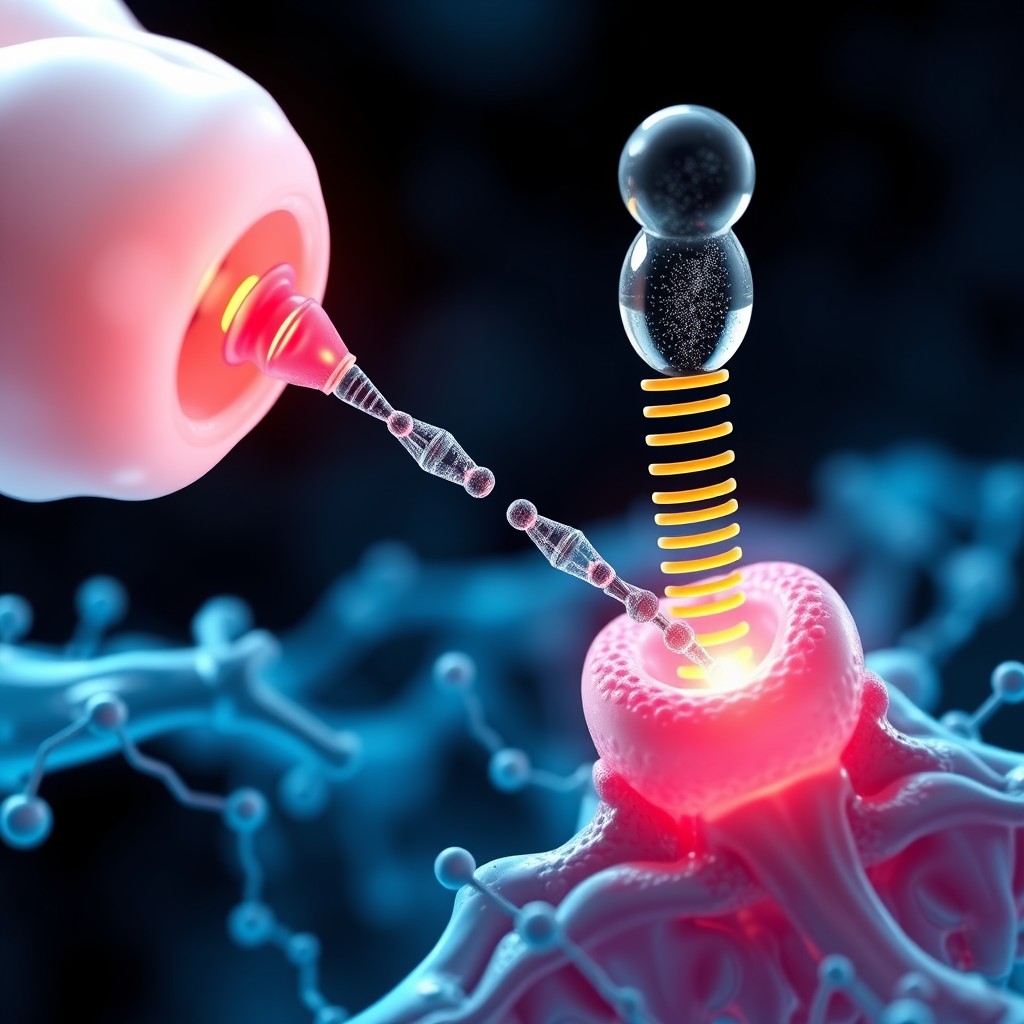
This treatment technology has the potential to bring about concrete changes in the long term for clinical dentistry and the regenerative medicine industry. In the future, patients will visit the dentist, have a saliva sample collected, and receive a personalized PD genetic map within 30 minutes. If the patient is determined to be at high risk of bone loss, the dentist will apply a specially designed patch to the gums, tailored to the patient's biological data. This patch will slowly dissolve in response to body temperature, releasing miRNA-loaded LNPs into the gingival tissues. The genetic material delivered to the affected area will block the production of RANKL in the cells and stimulate the patient's PDLSCs to induce the formation of new bone in the eroding alveolar bone. This will enable personalized, non-surgical treatment that preserves natural teeth without the need for painful gum surgery or artificial bone grafting.