Immunosenescence Revealed as a Double-Edged Sword in Cancer Therapy
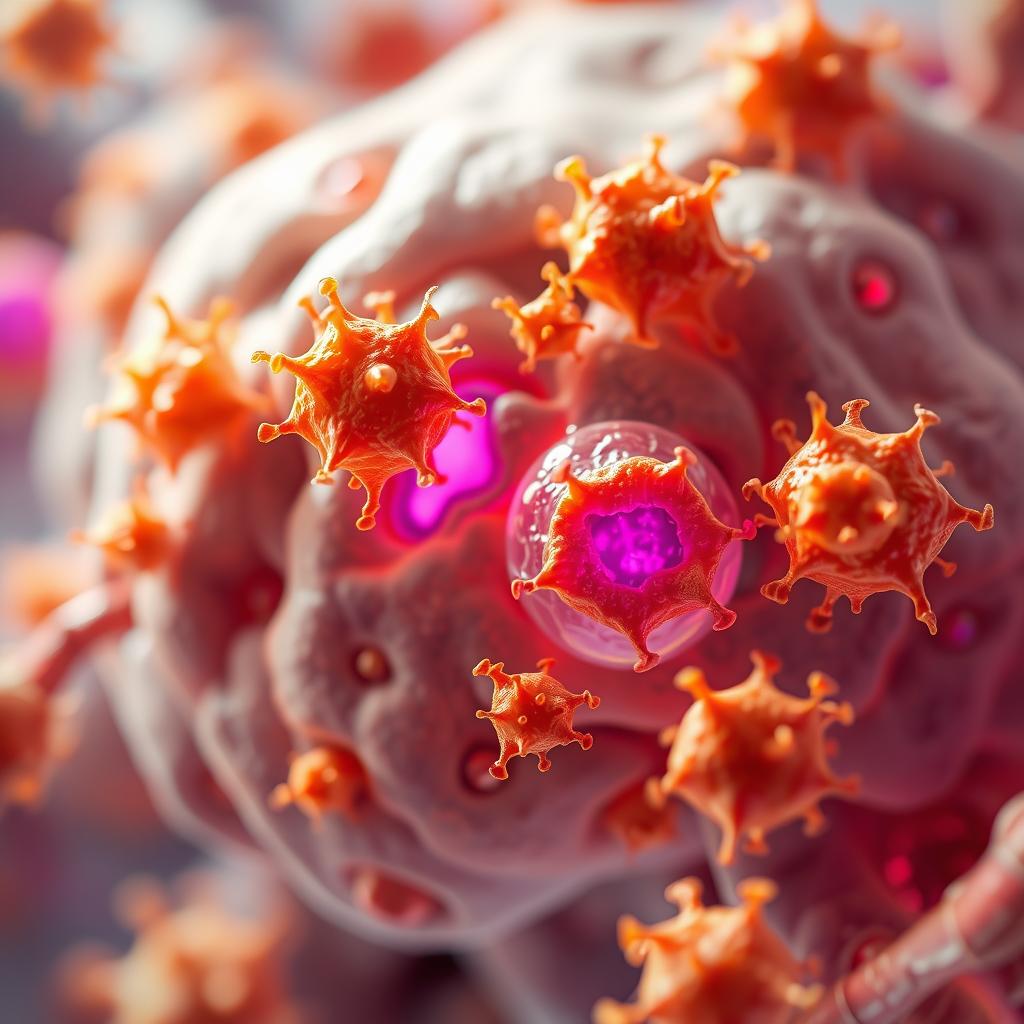
Dual Nature of Immunosenescence
As aging progresses, the immune system weakens—a phenomenon known as immunosenescence (Immune Senescence) that has long been considered solely detrimental because it raises cancer risk. However, recent studies have shown that within the tumor microenvironment (Tumor Microenvironment), the senescence of immune cells can, depending on the context, either promote or inhibit cancer.
Mechanisms Underlying the Dual Role
DNA damage, epigenetic remodeling, and metabolic reprogramming drive immune cells into a senescent state, resulting in the emergence of a senescence‑associated secretory phenotype (SASP) and immunosuppressive surface markers. Yet, under certain stimuli, cells such as T cells, NK cells, and macrophages can actually enhance their effector functions and attack tumor cells.
Immunotherapy and New Strategies
Understanding this duality explains why conventional immunotherapies are less effective in older patients. The authors propose strategies that employ cutting‑edge technologies such as gene editing and metabolic interventions to reactivate aged immune cells or suppress harmful SASP.
Future Significance and Outlook
Future approaches that precisely assess a patient’s immunosenescence status and apply personalized therapies could markedly improve immunotherapy efficacy across all ages. This promises to narrow the age‑related gap in cancer treatment and offer hope to a larger number of elderly patients.
Immunosenescence refers to the progressive functional decline of the immune system with age. Traditionally, it has been regarded as detrimental because it weakens immune surveillance and increases the risk of tumor development. With the growing understanding of the tumor microenvironment (TME), accumulating evidence indicates that the senescence of tumor-infiltrating immune cells is context-dependent and exerts bidirectional regulatory effects. On the one hand, the senescence-associated secretory phenotype (SASP) and immunosuppressive phenotypes can drive chronic inflammation, immune escape, and stromal remodeling, thereby promoting tumor initiation and progression. In contrast, subsets of senescent immune cells can retain or even acquire enhanced effector functions under specific stimuli, contributing to antitumor immune responses. This review focuses on tumor-infiltrating immune cells, particularly T cells, NK cells, and macrophages, and summarizes their senescence-associated phenotypes and dual roles in cancer development. We outline the central mechanisms by which DNA damage, epigenetic remodeling, metabolic reprogramming, and key signaling pathways drive the process of immunosenescence. We systematically examined how immunosenescence shapes the efficacy of major immunotherapies. Finally, we discuss emerging strategies, such as gene editing and metabolic interventions, to improve cancer immunotherapy in older patients.
This study precisely delineated the dual roles of aged immune cells in either hindering or facilitating cancer therapy, paving the way for more effective cancer immunotherapy regardless of patient age.