Convergent Tactics to Breach Bacterial Fortresses: Multi‑Platform Disruption of Biofilm EPS and Genetic Evasion Blockade
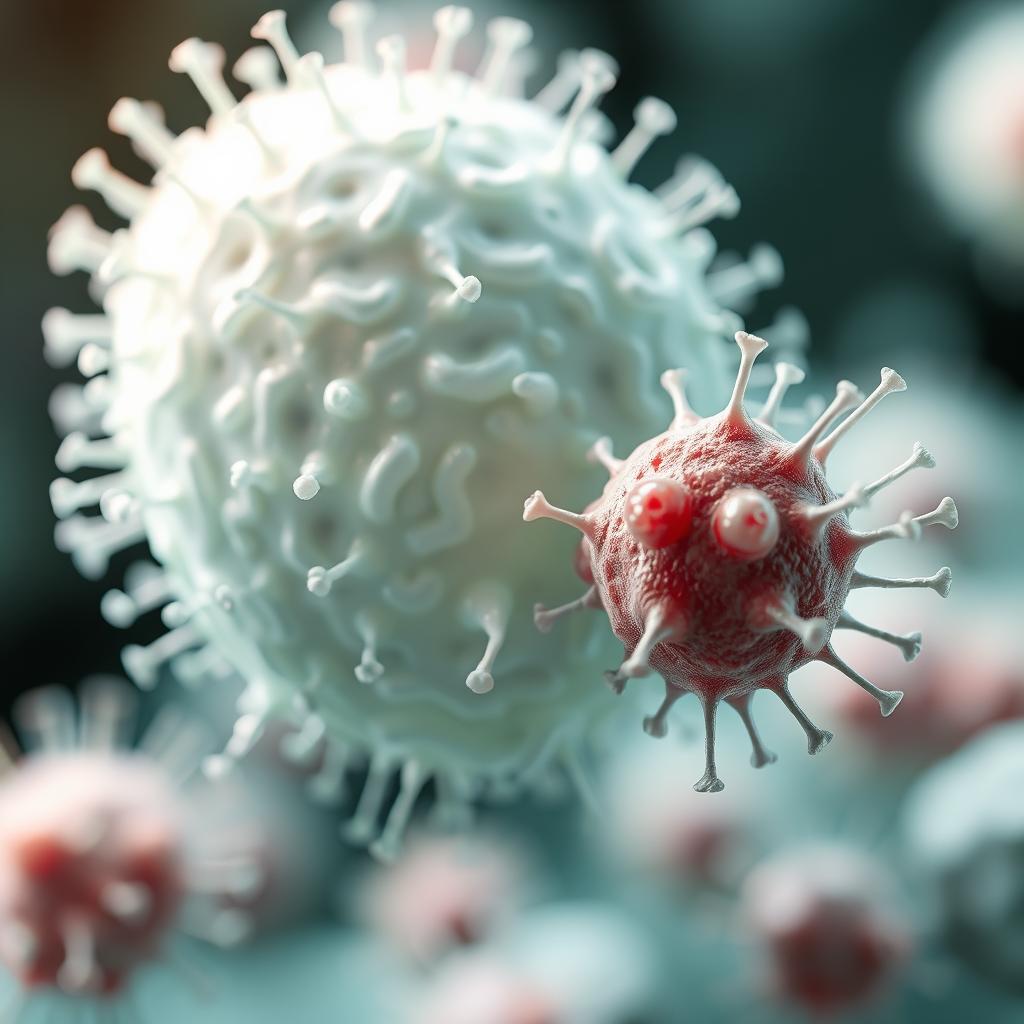
##1. Biofilm: A Biological Shield That Amplifies Antibiotic Resistance by 1,000‑fold Biofilms, which account for roughly 80 % of all infectious diseases worldwide, are massive fortresses formed by bacteria that hide within a self‑secreted extracellular polymeric substance (EPS) matrix. This shield not only blocks the physical penetration of antibiotics but also accelerates horizontal gene transfer (HGT) within the matrix, rapidly disseminating resistance genes. Conventional antibiotics fail to eradicate the metabolically dormant ‘persister cells’ that reside within this fortress, representing the greatest obstacle to treating chronic and device‑associated infections.
##2. Multi‑Platform Strategy: Coordinated Physical‑Chemical Assault by Phage Enzymes and Nanoparticles The research team has developed a multi‑platform therapy that directly dismantles the biofilm ‘wall.’ Endolysins derived from bacteriophages cleave the chemical bonds of the EPS matrix, creating channels through which drug‑loaded nanocarriers can penetrate to the deepest layers. Simultaneously, antimicrobial peptides (AMPs) attack bacterial membranes, killing persister cells. This combined approach eliminates the biofilm’s hidden niches that single‑agent therapies cannot reach.
##3. Quorum‑Sensing Inhibition and CRISPR: Pre‑emptive Blockade of Genetic Resistance Mechanisms A key advancement of this study is the incapacitation of bacterial quorum sensing (QS). Quorum‑sensing inhibitors (QSIs) disrupt the signaling required for biofilm formation, while CRISPR‑Cas tools precisely target and disable intracellular resistance genes, forcibly restoring antibiotic susceptibility. This intelligent attack strategy blocks bacteria from rebuilding the fortress or acquiring new resistance traits.
##4. Why It Matters: Precision Medicine for Chronic Infections and a Milestone for the Post‑Antibiotic Era The significance of this work lies in redefining the antibiotic‑resistance problem from a narrow ‘new‑drug‑development’ perspective to an integrated model that combines delivery platforms with immuno‑ and genetic engineering. It promises dramatic improvements in cure rates for chronic device‑related infections (e.g., prosthetic joints, catheters) and recalcitrant wound healing. By extending the useful lifespan of existing antibiotics and providing a robust multi‑mechanistic standard model, this research offers both academic and clinical breakthroughs in the fight against super‑bugs.
Biofilm mediated antimicrobial resistance (AMR) has become a critical global health and economic challenge, affecting both community and healthcare settings. Microbial Biofilms significantly enhance the antibiotic tolerance and cause the persistent and device-associated infections via limited drug penetration, degradation of antibiotics, and assist horizontal gene transfer. Biofilm-mediated antimicrobial resistance remains a major obstacle to treating infectious diseases today. Biofilms can boost antibiotic tolerance by up to 1,000 times and lead to chronic, persistent, and device-associated infections. The lack of FDA-approved anti-biofilm drugs highlights the urgent need for new therapeutic strategies and mechanistic insights. Redefining the treatment landscape and improving outcomes for resistant infections could be achieved through a multi-platform therapeutic approach. This review summarizes recent developments in our knowledge of how biofilms contribute to antibiotic resistance and highlights new therapeutic strategies, such as nanotechnology, antimicrobial peptides, bacteriophage-derived enzymes, quorum-sensing inhibitors, CRISPR-based tools, microbiome engineering, and AI-driven drug discovery.
This study integrates ‘physical barrier disruption (EPS degradation)’ with ‘genetic evasion blockade (CRISPR/QSI)’ into a single system, overcoming the limitations of single‑target drugs and establishing an empirical model of ‘Systems Antibiotics.’ By simultaneously striking the core survival mechanisms of persister cells and the matrix, it dramatically lowers the antibiotic‑resistance index, delivering a disruptive value that could fundamentally redesign treatment guidelines for refractory infections.