Genomic analysis reveals transmissible melanoma in catfish, the first known case of a parasitic cancer transmission mechanism in freshwater ecosystems
Background
Cancer is typically considered a non-transmissible disease that arises from genetic mutations in individual organisms and ceases to exist with the death of the host. However, in nature, there are rare cases of transmissible cancers, where cancer cells are directly transmitted to and spread within other individuals, defying this conventional understanding. To date, only three types of transmissible cancers have been identified in wild animal populations: Tasmanian devil facial tumor, canine transmissible venereal tumor, and certain types of leukemic tumors in marine bivalves. Notably, there have been no reported cases in fish or other animals inhabiting freshwater ecosystems.
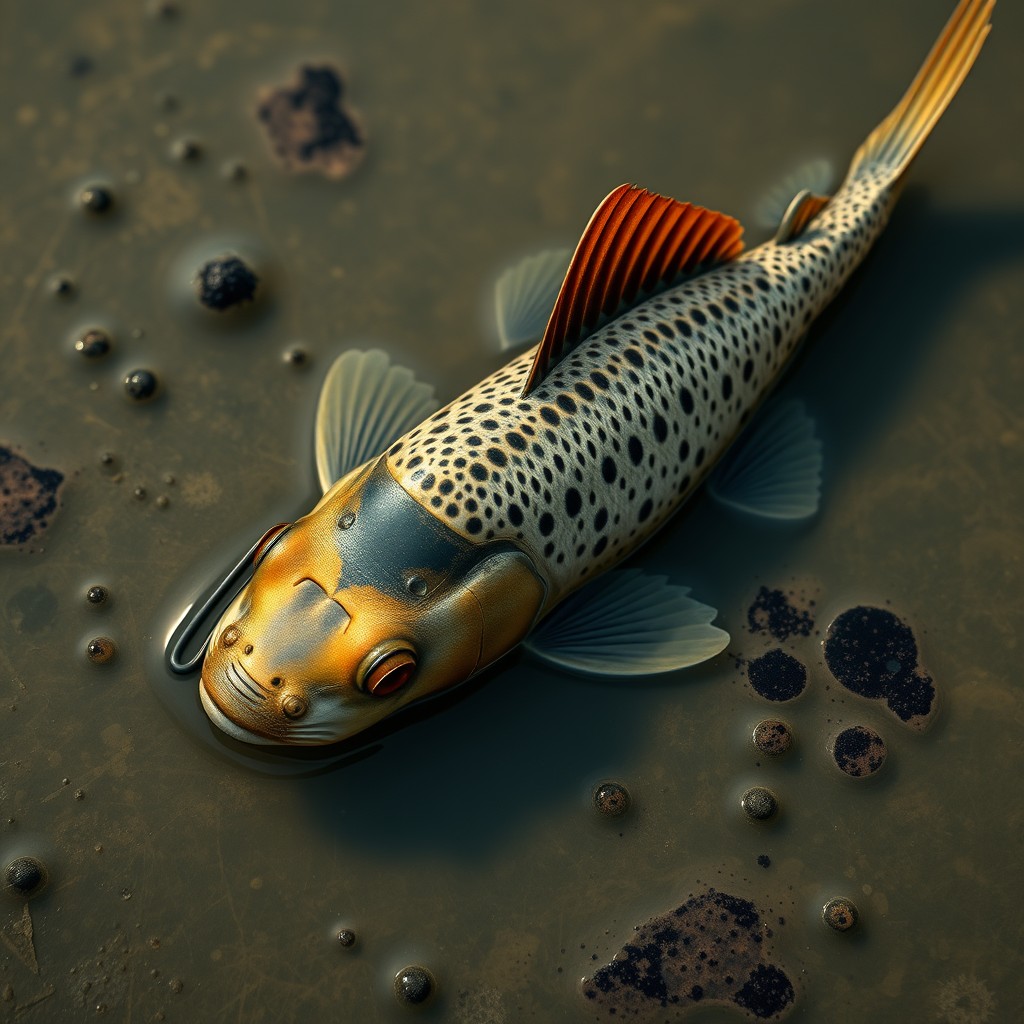
Since 2012, brown bullhead catfish in Lake Memphremagog, located on the border between Vermont, USA, and Quebec, Canada, have been observed with black, protruding tumors on their skin. Biologists hypothesized that these unusual melanomas might be caused by waterborne pollutants or viral infections and initiated investigations. As efforts to identify the cause proved challenging, the disease rapidly spread, with approximately one-third of the adult catfish population exhibiting skin lesions by 2014. This prompted a detailed genetic investigation to uncover the underlying biological mechanisms behind the unusual cancer incidence in the catfish population.
Key Findings
A research team led by Professor Julie Dragon at the University of Vermont's Larner College of Medicine focused on identifying the nature of the tumors using whole-genome sequencing (WGS). The team obtained and analyzed the genomes of normal tissue and melanoma tumor tissue from catfish collected from Lake Memphremagog. The analysis revealed unexpected genetic characteristics.
The genetic information of cancer cells extracted from different catfish individuals showed significantly higher similarity to each other than to the catfish's original genomes. This indicates that the cancers did not arise independently in each catfish but originated from a single clone of cancer cells that were directly transmitted through the water and implanted into other individuals. Thus, the catfish melanoma was definitively confirmed as the first known transmissible cancer in fish and freshwater ecosystems.
The transmissible cancer cells successfully colonize and survive within catfish with different immune systems, evading immune attack. This phenomenon, in which cancer cells survive as independent parasites, is considered a unique mechanism for circumventing immune rejection. Notably, catfish live on the bottom of the water, so they are not exposed to ultraviolet (UV) radiation, a known cause of melanoma in humans. This supports the conclusion that physical contact or cell transfer via aquatic media is a major route of tumor transmission.
Significance and Prospects
This study demonstrates that transmissible cancers can occur in a wider range of species and ecosystems than previously thought. The genetic behavior of parasitic cancer cells found in fish provides new insights for research on tumor immunology and cancer evolution models. The researchers plan to conduct further research to elucidate the molecular mechanisms by which cancer cells evade the host's immune surveillance. By elucidating the process by which tumor cells are transplanted without rejection at the molecular level, it may be possible to contribute to the field of human cancer metastasis inhibition.
However, the detailed pathway by which cancer cells survive and spread in the aquatic environment is still unclear. Further experiments are needed to verify whether cells move through secretions or small skin lesions, or whether they attach via specific receptors. Given that similar diseases have been observed in other freshwater areas besides Lake Memphremagog, it is also essential to track the long-term impact on the ecosystem's food chain. Fortunately, the researchers emphasize that the risk of this catfish transmissible cancer infecting humans is extremely low.
Catfish melanomas are the first example of a transmissible cancer in fish, genetic studies reveal
This study provides a practical approach for environmental monitoring and control of wildlife diseases. One example is the introduction of environmental DNA (eDNA) analysis technology to monitor the transmissible melanoma that is rapidly spreading in the catfish population. By identifying the unique genetic information of transmissible cancer cells released into the lake water using eDNA analysis, it may be possible to establish a quarantine system that monitors the spread of the disease in real-time without directly capturing individuals.
In the biopharmaceutical industry, it may be possible to analyze the surface receptor proteins of cancer cells that are transplanted without rejection and develop new candidate drugs for immune modulators. By reverse-engineering the molecular characteristics of proteins that circumvent the host's immune surveillance, it may be useful in developing therapies that reduce side effects associated with organ transplantation.