The First Stitch of Life Gets Tangled When Rushed: The Secret of “Genomic Traffic Management” in the Zygote
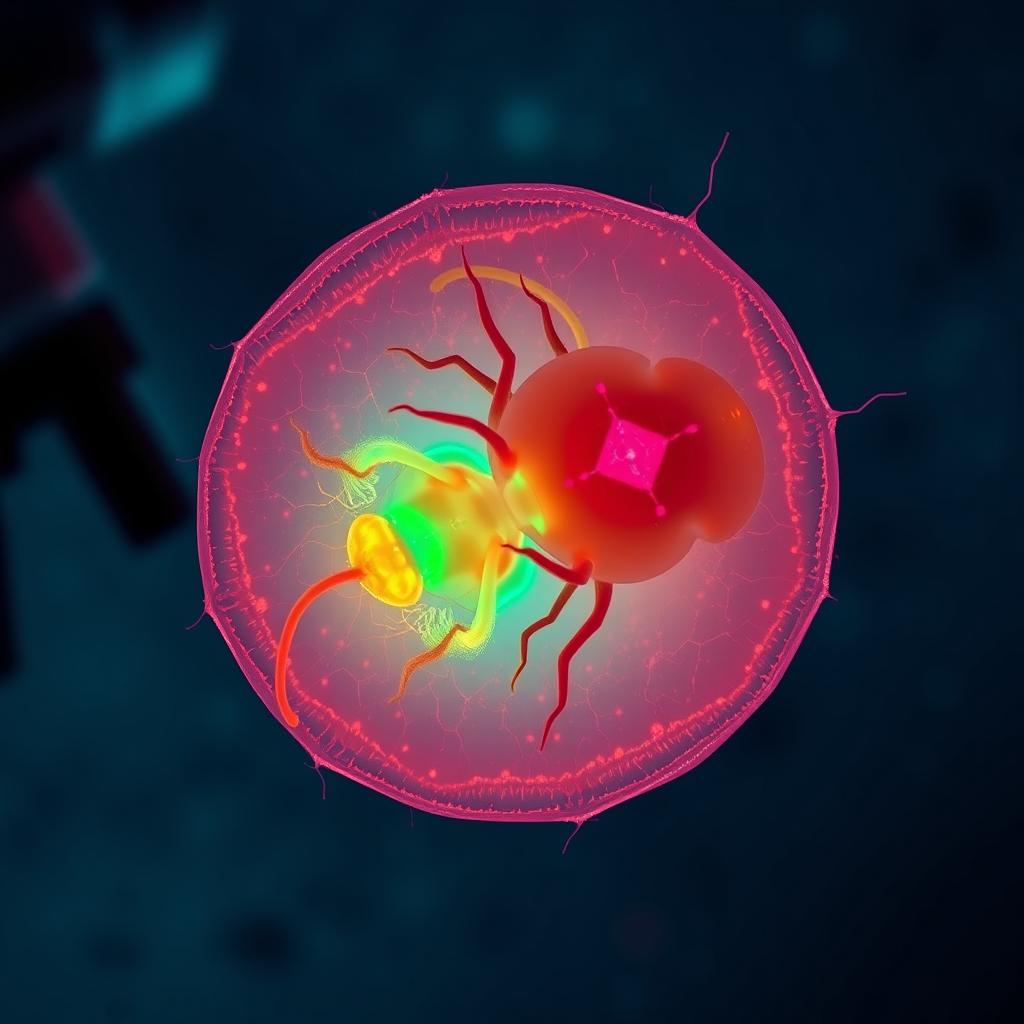
1. Genetic Material Collision: A Hidden Threat to Embryo Development
It has been difficult to pinpoint why embryos generated by in‑vitro fertilization (IVF) sometimes fail to implant or cease development. This study identifies the cause as a “DNA collision” occurring at the zygote stage. When parental genomes are mixed before they are ready, their replication and alignment processes interfere with each other, leading to genetic chaos.
2. “Separate Yet Together”: Temporal Separation Generates Healthy Embryos
The research team demonstrated an innovative hypothesis using mouse experiments. They kept the paternal and maternal genetic material physically separated for a defined interval, allowing each to complete replication and repair before fusion.
The results were striking. The DNA collisions that typically arise from premature mixing were markedly reduced, and the embryos proceeded with normal cell division and tissue formation as if driven by a precisely wound clockwork. This suggests that spatial‑temporal separation is a key mechanism for preserving genomic stability during early embryogenesis.
3. A Key to Improving Future IVF Success Rates
If this “genomic traffic management” approach can be applied to human IVF, pregnancy success rates could increase dramatically. Beyond merely allowing sperm and oocyte to meet, the technique would involve modulating the embryo culture environment or applying physical processing to secure a “golden window” during which the parental genomes can combine most harmoniously—ushering in an era of precision engineering for assisted reproduction.
4. Implications and Outlook: Safer Family Planning
The discovery offers tangible hope to countless couples suffering from infertility. By preventing early embryonic defects at the source, the risk of miscarriage can be reduced and fetal health can be assured from the zygotic stage onward, establishing a new standard protocol. IVF is thus evolving from a procedure left to chance to a scientifically controlled “art of creating life.”
Temporarily keeping parents’ genetic contributions separate promotes normal development, mouse study suggests
"Why isn’t it working?"—a question that has haunted many prospective parents—now has a scientific answer. By controlling microscopic cellular collisions, the uncertainty of IVF is eliminated, opening a safe and reliable pathway for more families to welcome healthy children.