Comprehensive Treatment of Cardiac Amyloidosis: Gene, RNA, and Antibody Therapies
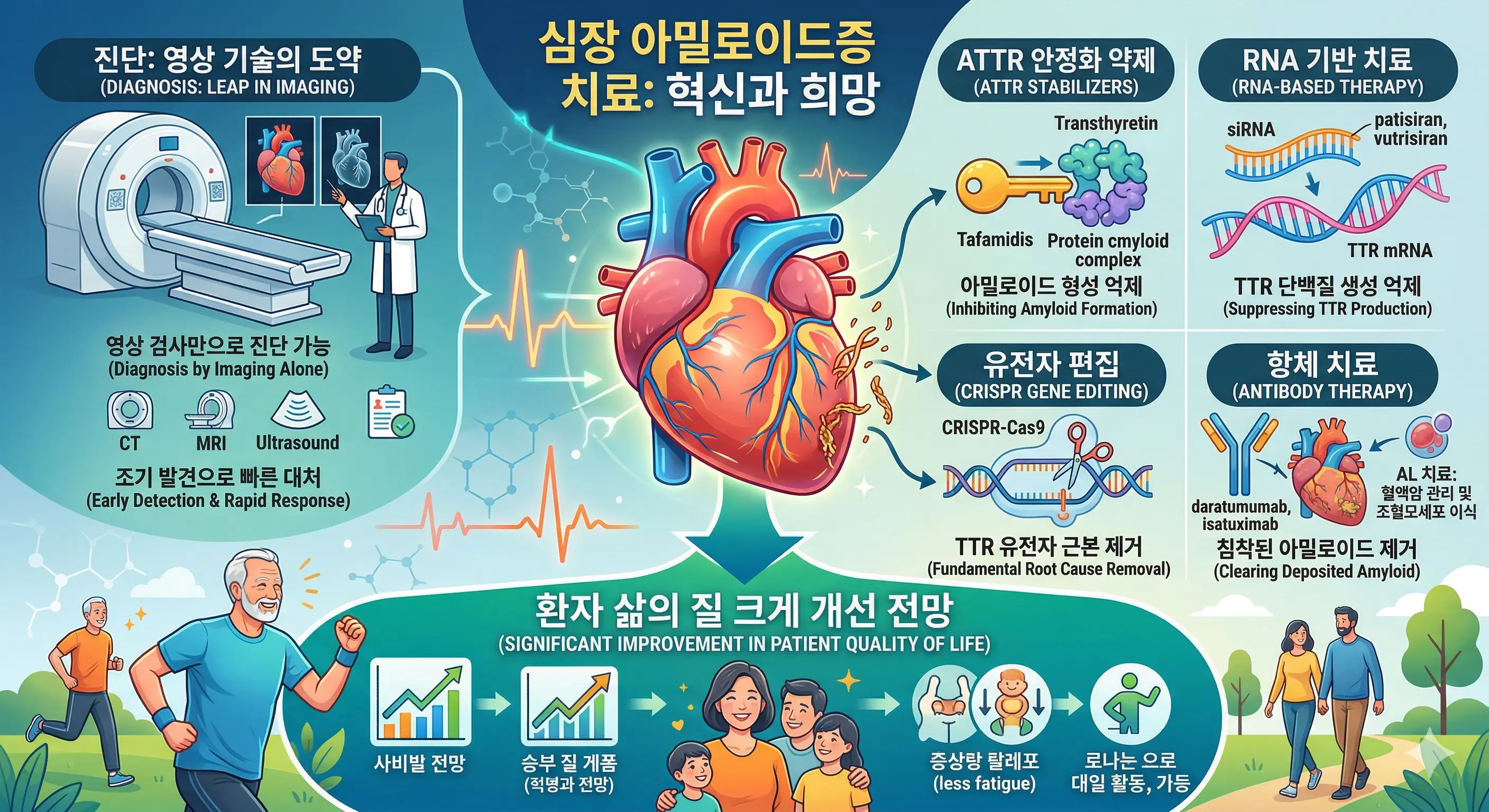
Recently, cardiac amyloidosis diagnosis has become possible through imaging alone, and treatment options have expanded to include medications that stabilize transthyretin, siRNA, CRISPR gene editing, and antibodies. For AL-type amyloidosis, the core treatments are blood cancer therapy and autologous hematopoietic stem cell transplantation. With the emergence of these various methods, patients' quality of life is expected to improve significantly.
The diagnosis and treatment of cardiac amyloidosis have undergone rapid evolution over the past decade by harnessing mechanisms of disease pathogenesis. Cardiac amyloidosis is caused by myocardial deposition of fibrils formed by misfolded proteins, namely transthyretin (ATTR) and immunoglobulin light chains (AL). Advances in noninvasive imaging have revolutionized the diagnosis of ATTR cardiomyopathy (CM). Novel treatments for ATTR-CM utilize a range of therapeutic techniques, including protein stabilizers, interfering RNA, gene editing, and monoclonal antibodies. AL-CM, primarily driven by plasma cell dyscrasias, requires treatment with chemotherapy and consideration for autologous stem cell transplant. These significant advances aim to improve patient outcomes in cardiac amyloidosis.
Diverse non-invasive treatment options can greatly alter patient prognosis