The Reality of Dementia: A Paradigm Shift Toward the Era of Complex Pathology (Copathology) Beyond Single Targets
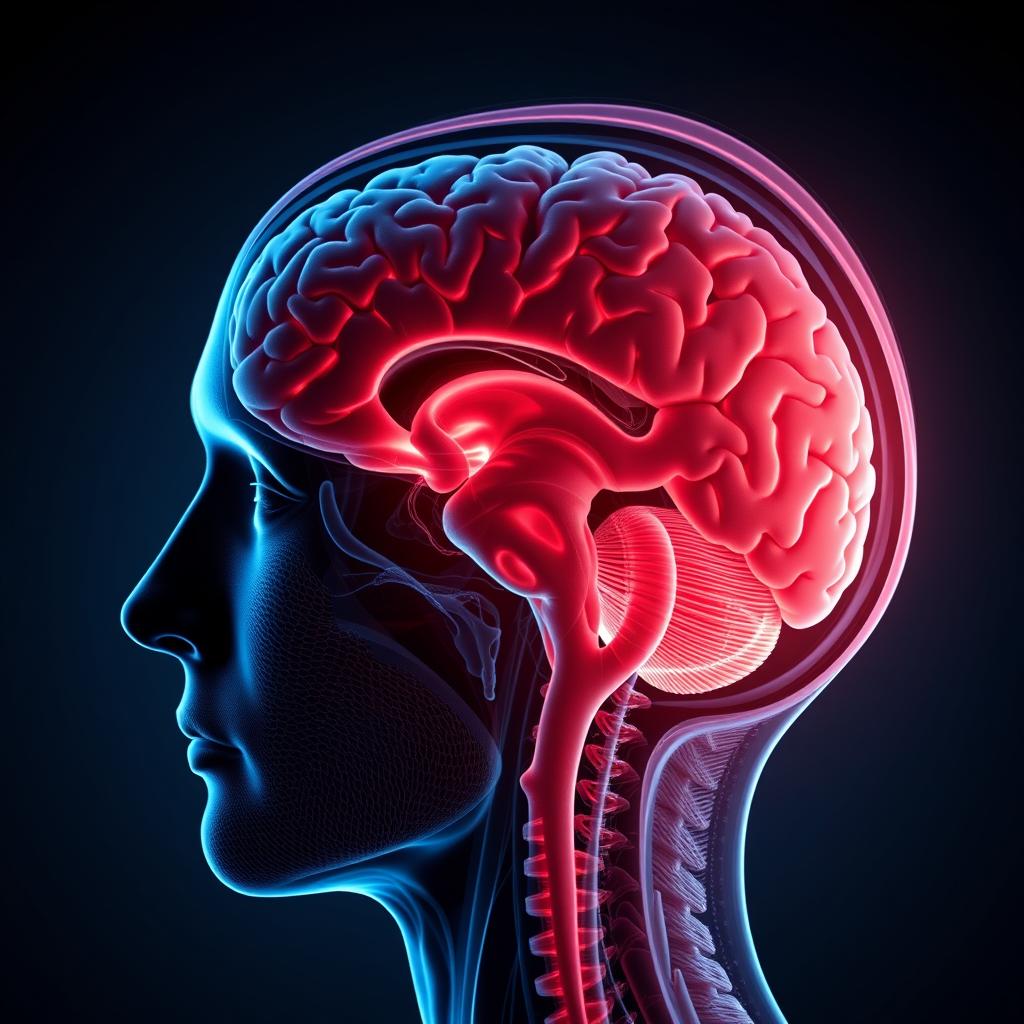
##1. Limitations of the Single-Hypothesis of Alzheimer’s and the Reality of Complex Lesions Until now, dementia research has primarily focused on removing either amyloid‑beta or tau protein, the two pathologies most often implicated in Alzheimer’s disease. However, as single‑target drugs have repeatedly underperformed in clinical trials, the concept of “copathology”—that dementia arises from multiple, interacting causes—has gained prominence. In patients’ brains, Alzheimer’s pathology coexists with vascular lesions, Lewy body (Parkinson‑related) pathology, and other abnormalities, making it impossible for fragmented diagnostic approaches to capture the full disease picture.
##2. Multimodal Data Analysis: Pathological Heterogeneity Evidenced by Over 1,000 Brains The research team combined multimodal imaging techniques with postmortem brain analysis to conduct a precise investigation of a cohort exceeding 1,000 individuals. The analysis revealed that the overwhelming majority of dementia patients harbor two or more distinct brain disease pathologies simultaneously. Even among individuals diagnosed with Alzheimer’s disease, vascular dementia or alpha‑synuclein accumulation frequently co‑occur, and this pathological mixture was shown to accelerate cognitive decline in a robust causal relationship.
##3. Personalized Combination Therapy: Clinical‑Design Innovation Based on Copathology These findings demand a fundamental revision of dementia treatment strategies. Because each patient presents a unique combination of pathologies, the standard of care should shift from monotherapy to “personalized combination therapy” matched to the individual’s pathological profile. For example, co‑administration of an amyloid‑clearing agent with a vascular protectant, or pairing a tau inhibitor with an immunomodulator. Incorporating copathology biomarkers for patient selection at the trial‑design stage opens a pathway to dramatically higher therapeutic response rates.
##4. Why it Matters: Disassembling the “Intractable” Nature of Dementia Through Precision Neurology The importance of this work lies in repositioning dementia from an “incurable” disease to a “manageable complex disorder.” By providing a framework to reinterpret decades of failed clinical data through the lens of copathology, the study enhances drug‑development success rates and dramatically improves the accuracy of patient‑specific prognostic predictions. This represents a pivotal milestone that shifts neurodegenerative disease management from reactive, symptom‑based prescribing to proactive, genomics‑ and pathology‑driven precision medicine.
Large-scale postmortem and multimodal imaging studies involving over 1,000 brains reveal that the vast majority of dementia cases are driven by "copathology"—the coexistence of multiple pathological lesions such as amyloid-beta, vascular damage, and alpha-synuclein. This study highlights the clinical failure of single-target therapies and advocates for a paradigm shift toward combination treatment strategies tailored to individual pathological profiles. By integrating copathology as a core diagnostic biomarker, future clinical trials are expected to significantly improve therapeutic efficacy and patient outcomes in neurodegenerative diseases.
This dataset empirically delineates the multifactorial pathology of dementia, declaring the end of the long‑standing single‑hypothesis model of Alzheimer’s disease. By quantifying the prevalence and clinical impact of copathology in an overwhelming sample of over 1,000 postmortem brains, it uniquely provides a ‘complex pathology map’ that will serve as a core metric for next‑generation dementia therapeutics development.