From Slave of the Environment to Master of the Gene: The ‘Evolutionary Switch’ that Determines Sex in Water Fleas
1. Sex determination left to the environment: “Become male when conditions are harsh?”
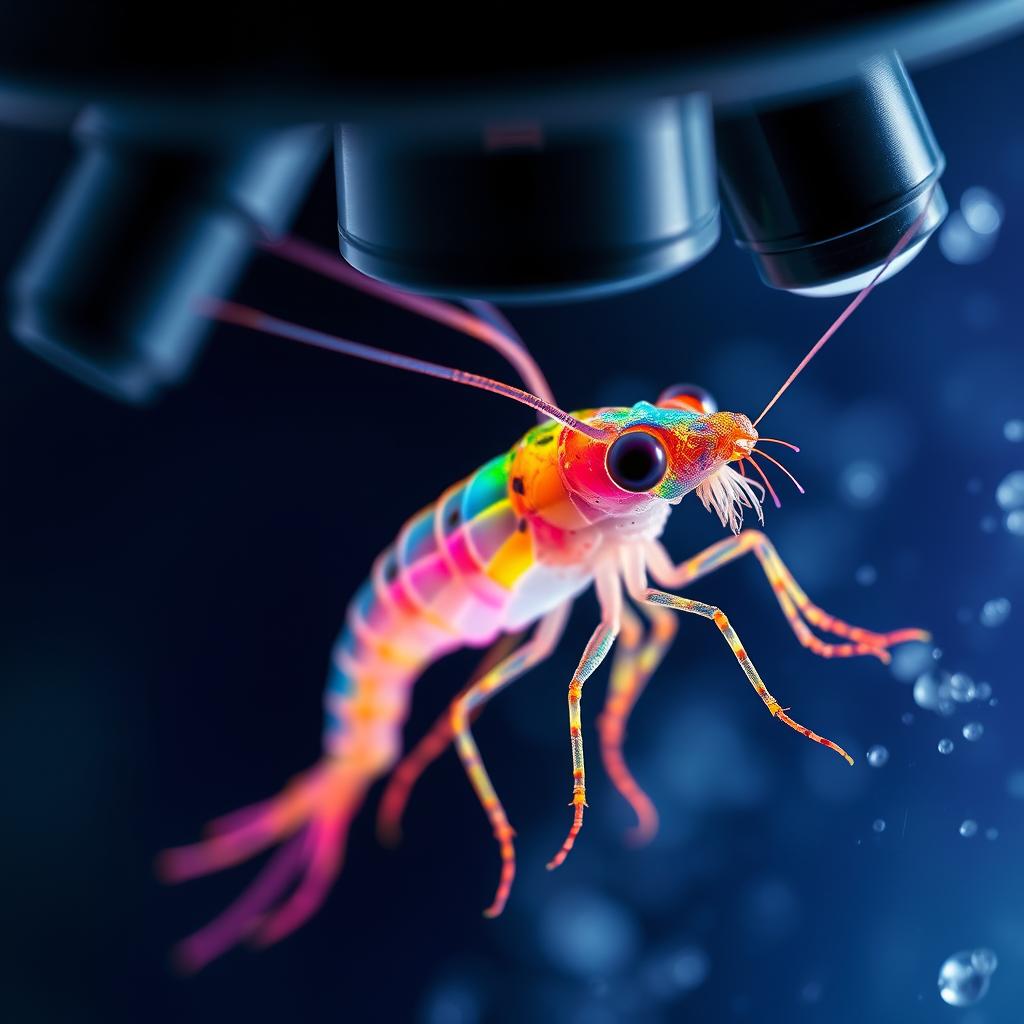
Daphnia pulex normally reproduces asexually, producing females that give birth to females, but when environmental stress such as temperature fluctuations or food scarcity increases, it produces males and initiates sexual reproduction. This is called Environmental Sex Determination (ESD). However, during evolution some species abandoned this convenient strategy and switched to Genetic Sex Determination (GSD), entrusting sex to fixed genes. The intermediate steps have remained a mystery for a long time.
2. The nature of GSD: key mutation uncovered by genome sequencing
The research team used state‑of‑the‑art genome sequencing and transcription‑factor expression analysis to discover that the signaling pathway that previously responded to the environment can become constitutively active through a single mutation in a specific gene. This gene originally functioned as a core component that sensed temperature or nutritional status to regulate the sex‑determination circuit, but a single genetic change converted it into a “GSD switch” that determines sex without any environmental cue.
3. CRISPR validation of the “sex‑determination switch”
The investigators employed CRISPR gene‑editing to rigorously test the hypothesis. Daphnia engineered to carry the altered gene maintained a constant sex ratio regardless of temperature or other environmental changes. This provides strong evidence that an evolutionary transition from external environmental cues to an internal genetic command can be recapitulated in the laboratory.
4. Implications and outlook: climate change and species survival
The study suggests that sex‑determination mechanisms are not immutable traits but can evolve rapidly and dynamically in response to environmental change. In the context of accelerating climate change, the findings offer essential baseline data for predicting how organisms will adjust sex ratios and persist as populations. Moreover, the work establishes a new benchmark for exploring the evolutionary trajectories of other ESD‑using taxa such as crustaceans and reptiles.
Proceedings of the National Academy of Sciences, Volume 123, Issue 17, April 2026. Significance This study addresses a fundamental question in evolutionary biology: how genetic sex determination (GSD) arises from an ancestral system of environmental sex determination (ESD). Using Daphnia pulex as a model, we identify a naturally ...
We captured the pivotal evolutionary moment when the mechanism that decides “son or daughter” shifts from environmental control to genetic control. Understanding how organisms create genetic switches to adapt to a rapidly changing Earth provides essential knowledge for ecosystem conservation and tailored biological resource management.