Finding Clues for Healing Diabetic Chronic Ulcers by Regulating Macrophage Phenotype Switching
Background
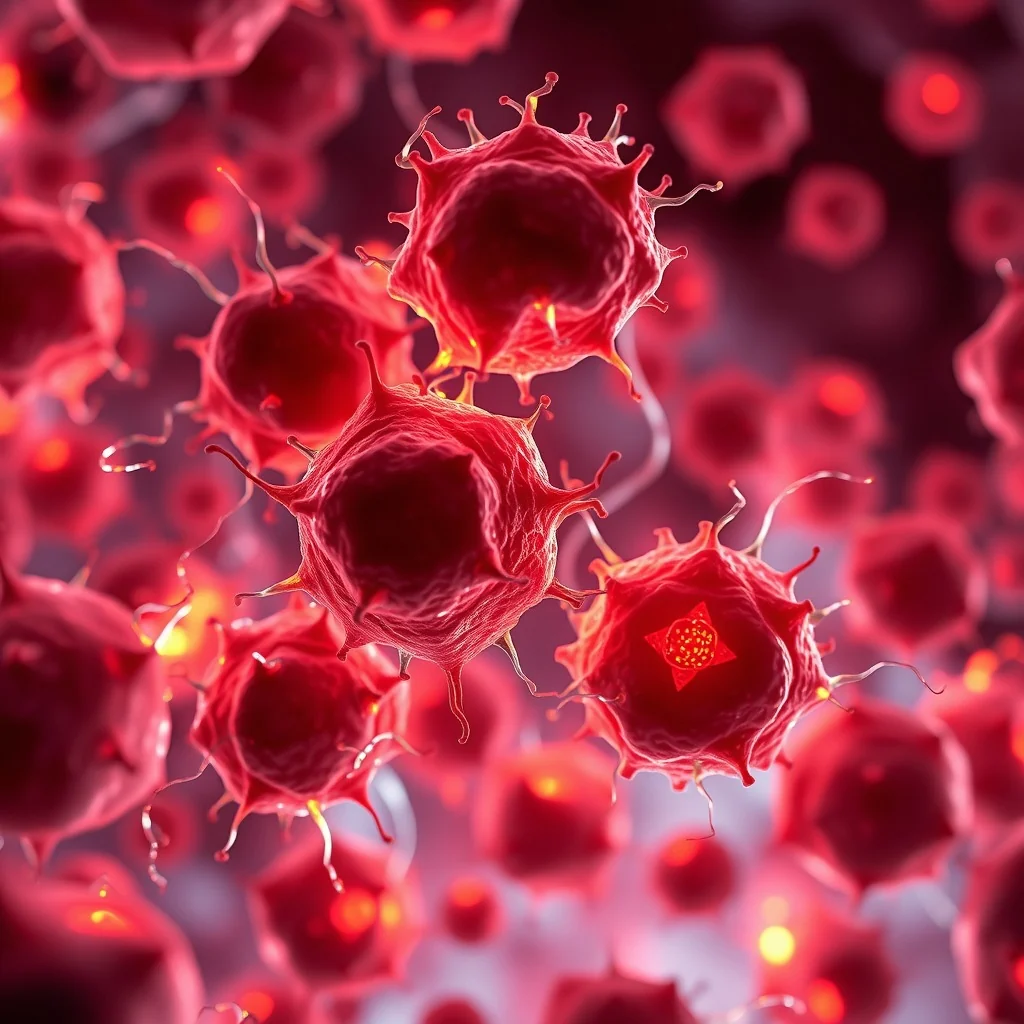
One in four diabetic patients experiences chronic wounds, such as diabetic foot ulcers, at least once in their lifetime. Most diabetes-related lower limb amputations stem from the worsening of these chronic ulcers. In a normal wound healing process, macrophages that drive the inflammatory response must timely transition into reparative macrophages that induce wound healing and tissue regeneration. In diabetic patients, the tissue environment disrupts this transition mechanism due to hyperglycemia and oxidative stress.
As a result, pro-inflammatory M1 macrophages remain in the wound site for an excessively long period, and the transition to M2 macrophages, which promote regeneration, is delayed. This traps the wound site in a continuous cycle of inflammation. Since conventional simple disinfection or physical dressings make it difficult to fundamentally correct the immune imbalance within the microenvironment, a precise molecular targeted approach that directly regulates macrophage plasticity is urgently needed.
Key Findings
This review synthesizes the key signaling pathways and epigenetic regulatory axes that determine macrophage phenotypes during the diabetic wound healing process. The PI3K/AKT signaling pathway promotes M2 macrophage differentiation and cell survival, while the NF-κB pathway induces a strong inflammatory response, maintaining M1 activation. The Notch signaling pathway also controls the macrophage differentiation trajectory, determining the balance between tissue repair and persistent inflammation.
At the epigenetic level, DNA methyltransferases (DNMT), histone-modifying enzymes, and non-coding RNAs (ncRNA) act as key factors that turn M1 or M2 transcriptional programs on and off. Based on these pathophysiological mechanisms, natural active substances such as emodin and Astragalus Polysaccharides (APS) are gaining attention. These components have shown effects in inducing M2 polarization by suppressing oxidative stress at the wound site and regulating signaling pathways.
In terms of targeted delivery technology, immunomodulatory hydrogels, extracellular vesicles (EVs), and gene-targeted nanoparticles are being reviewed as candidate materials to deliver cell reprogramming factors directly to the lesion. However, due to the complexity of the in vivo wound microenvironment, macrophage phenotypes fluctuate unpredictably, and the lack of highly reliable delivery platforms that selectively target only wound-site macrophages remains a major obstacle.
Significance and Outlook
A therapeutic strategy targeting macrophage plasticity provides an opportunity to shift the treatment paradigm for diabetic chronic ulcers from inflammation suppression to the reconstruction of the immune microenvironment. If convergence technologies are established to load epigenetic regulatory substances or gene-editing tools into biomaterial-based carriers, they hold the potential to restore damaged immune homeostasis and dramatically accelerate tissue regeneration.
However, the significant difference between animal models and the actual in vivo wound environment of diabetic patients is a barrier that must be overcome. Along with the development of intelligent release-controlled platforms capable of responding to the variability of the local microenvironment, establishing precise administration strategies tailored to the wound progression stage of each patient remains a key task for follow-up research.
Diabetic wounds are among the most challenging complications of diabetes mellitus, and approximately one in four patients with diabetes is expected to develop such a wound during their lifetime. The majority of diabetes-related amputations are attributable to complications of diabetic wounds. In conditions characterized by impaired wound healing, macrophage polarization is dysregulated, primarily due to the persistence of M1 macrophages and a delayed switch to the reparative M2 phenotype. This article reviews the molecular, signalling, and epigenetic mechanisms that regulate macrophage function in diabetic wound healing. The key signalling pathways PI3K/AKT, NF-κB, and Notch play essential roles in determining the balance between inflammatory and reparative processes, whereas DNA methyltransferases, histone-modifying enzymes, and non-coding RNAs control the transcriptional programs that drive macrophages toward either the M1 inflammatory or the M2 reparative phenotype. This review examines how emodin and Astragalus Polysaccharides (APS) modulate these mechanisms to promote M2 polarization and reduce oxidative stress in diabetic wounds. Immunomodulatory hydrogels, extracellular vesicles, and genetargeted nanoparticles can deliver this reprogramming potential directly to the wound site; however, clinical translation remains difficult because macrophage phenotype shifts unpredictably in the in vivo wound environment, and no current platform achieves reliable targeted delivery to wound macrophages. Future research should combine such delivery vehicles with epigenetic and gene-editing tools to restore immune equilibrium and tissue regeneration. Ultimately, modulation of macrophage plasticity may enhance diabetic wound healing and reduce the global burden of chronic non-healing ulcers.
This research provides a clear benchmark for shifting the development of dressing agents in the treatment of diabetic foot ulcers from material protection to active immune regulation. In clinical settings, a combined treatment protocol can be implemented by immediately applying M2 polarization-inducing hydrogels after surgical debridement to early prevent entrapment in chronic inflammation.
In the pharmaceutical and biomaterials industries, it is possible to commercialize functional smart patches that release proven safe components like Astragalus Polysaccharides or emodin, or to expand into the development of customized topical treatments using patient-derived extracellular vesicles. It is expected to contribute to improving patient quality of life and reducing the massive burden of medical costs by substantially shortening the treatment period for chronic ulcers and lowering the rate of lower limb amputation.