The End of the 'Nature vs. Nurture' Dichotomy: Next-Generation Behavioral Genetics Focuses on the Network of Complexity
Background
For a long time, discussions explaining human behavior have been confined to the opposing framework of 'nature versus nurture.' The academic and public spheres have engaged in heated debates about whether complex traits such as intelligence, personality, and mental disorders are determined by genes or shaped by upbringing and social learning.
This simplistic, dichotomous framework stems largely from the limitations of early genetic research. In the past, it relied on the single-gene hypothesis, which posited that a few specific gene variants directly affected diseases or specific behaviors. Studies comparing monozygotic and dizygotic twins also adopted a method of mathematically simply separating the contribution of heredity and the influence of the environment.
However, this 'either/or' approach fails to fully capture the remarkable advancements in modern genetics. Instead, it distorts biological mechanisms and has had the unintended consequence of giving rise to extreme biases such as genetic determinism or environmental omnipotence. The hasty generalization that genes directly determine behavior also carries the risk of being transformed into a tool for justifying eugenics or discrimination. This is why a new communication method and research paradigm are needed to correctly convey the achievements of modern genetic science.
Key Findings
A paper published in the international academic journal Nature Genetics strongly proposes the introduction of 'Complexity' for the future of behavioral genetics, moving beyond these limitations. The paper clearly states that, based on the recent dramatic growth of Genome-Wide Association Studies (GWAS), the relationship between genes and the environment should be redefined as a multidimensional network.
The next-generation behavioral genetics research proposed by the research team is based on polygenic score (PGS) analysis, which is composed of the combined contribution of tens of thousands of subtle gene variants. Human behavior is expressed not by a single dominant gene, but by the cumulative effect of numerous variants scattered throughout the genome.
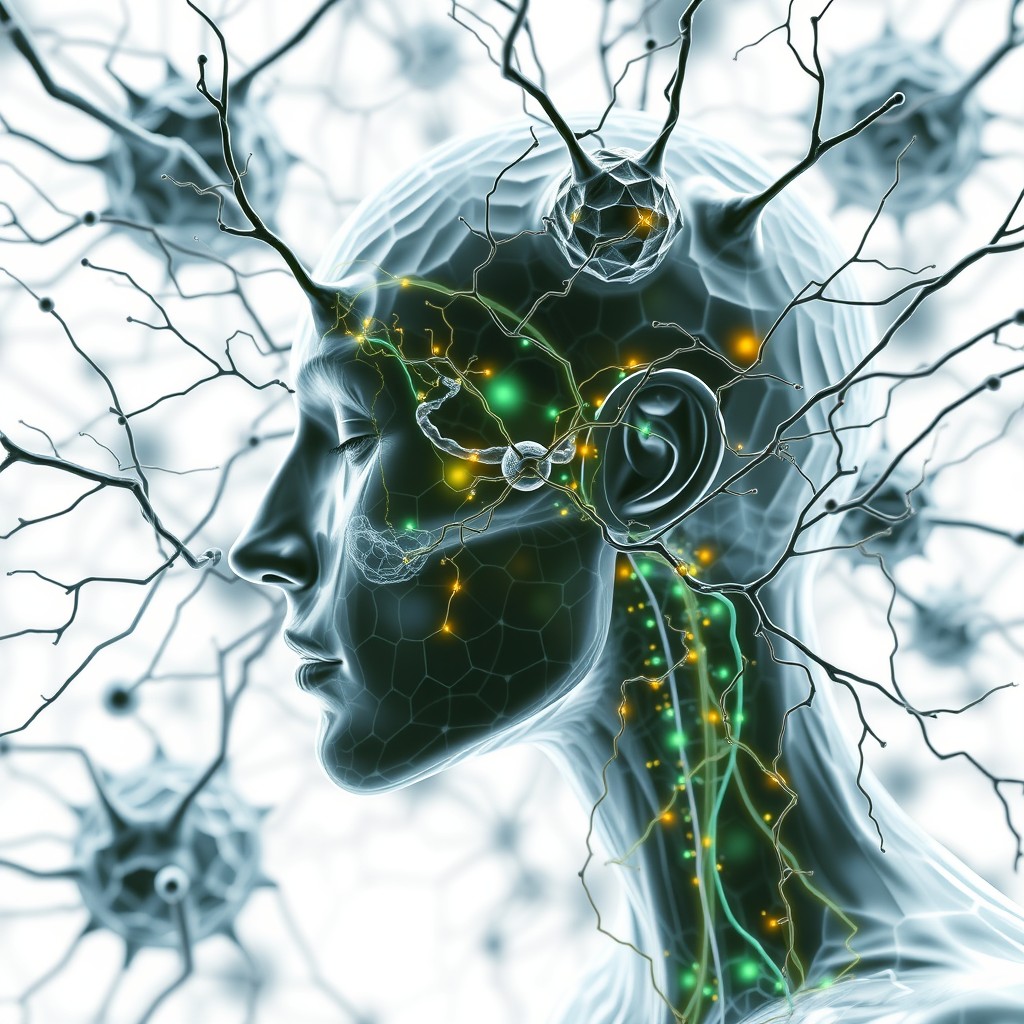
Furthermore, gene-environment interaction (GxE) is understood as a dynamic complex rather than a statistical variable. Genetic predisposition influences environmental selection, and conversely, environmental factors regulate gene expression through epigenetic changes, forming a cyclical feedback loop.
To systematically address this complexity, the paper advises building an interdisciplinary collaborative model, moving beyond existing isolated statistical analyses. An interdisciplinary approach, in which biologists, statisticians, psychologists, educators, and sociologists form a joint research network, is identified as the only solution. They also emphasized that scientists should maintain a complexity-centered perspective when communicating with the public and educating students.
Significance and Prospects
This proposal serves as a major wake-up call for the overly simplistic genetic interpretation of human behavior that has prevailed until now. It is expected to serve as a milestone, helping to look at the actual appearance of life phenomena in a precise manner, moving away from the outdated debate between nature and nurture.
In the long term, it will lay the foundation for changing the paradigm of prevention and treatment of complex mental disorders such as schizophrenia and depression, as well as cognitive abilities. By revealing the mechanism by which a disease occurs when a genetically vulnerable individual is exposed to a specific environment, it will enable the design of personalized welfare and precision preventive medicine.
However, there are still many challenges to be overcome in order to fully root this multidimensional complex model in research and clinical practice. In order to simultaneously track and analyze vast amounts of genomic data and environmental data, high-performance computing infrastructure and standardized data analysis platforms are essential. Breaking down barriers between disciplines and promoting communication through institutional support, as well as social consensus on ethical issues related to the disclosure of genomic information, are also essential elements that must be addressed.
Nature Genetics, Published online: 14 July 2026; doi:10.1038/s41588-026-02668-xHuman behavior is often framed around the ‘nature versus nurture’ debate, but a ‘this or that’ dichotomy does not reflect the current research in genetics and hinders meaningful dialogue. We describe a new generation of research centered around complexity and encourage geneticists to translate this to their communication, teaching and collaboration.
The most concrete changes that this proposal will bring to the field can be found in the areas of personalized education design and mental health management. A representative scenario is predicting the risk of children with a high genetic risk of Attention Deficit Hyperactivity Disorder (ADHD). While the existing simple genetic theory focuses on identifying children as patients and immediately prescribing medication, the complexity-based model analyzes the harmony between gene variants and the school environment. It aims to find a path where, even if a child is genetically prone to inattention, the disease does not manifest at a level that requires intervention in a specific visual stimulation environment or a low-stress academic environment. This will make it possible to realize a precision parenting scenario in which the educational environment is optimized for genetic characteristics and early prevention is achieved.
Industrially, it can lead to a qualitative leap in direct-to-consumer (DTC) genetic testing services. Existing DTC tests have not provided significant benefits to the public due to their ambiguous results. However, by integrating the complexity model into the service, it will be possible to develop intelligent healthcare solutions that reflect the dynamic changes between diet, stress factors, and gene variants, which is expected to accelerate the growth of the related market.