Enhancer-Based Gene Delivery for Finger Regeneration Utilizing Conserved Epidermal Factors
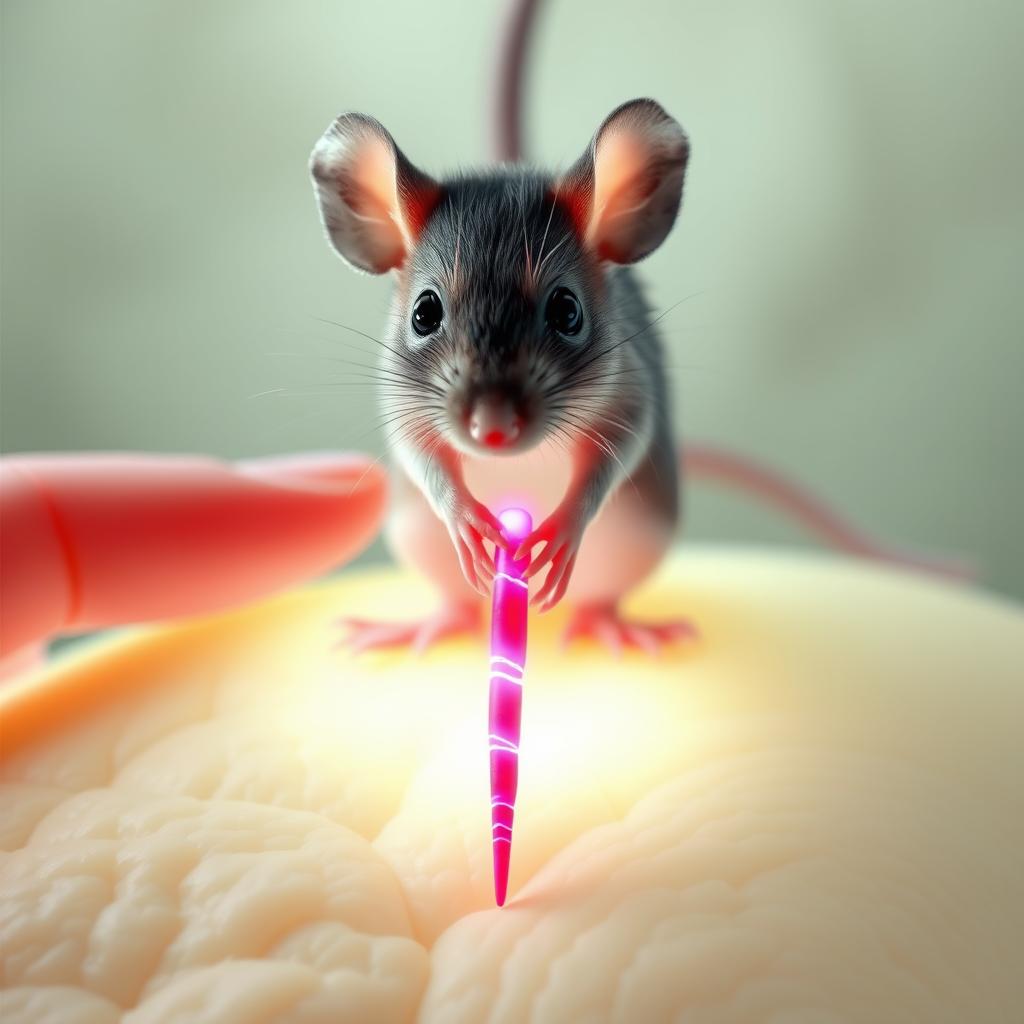
Can We Recreate the Fingertip?
In mammals, enabling the autonomous regeneration of complex structures such as fingers remains a dream. Prior regeneration studies have largely focused on simple tissues like bone or skin, and restoring a fingertip requires precisely tailored signals to the appropriate cell types.
A New Path Opened by Enhancers and Conserved Epidermal Factors
The research team identified a conserved epidermal factor critical for digit development and linked it to an enhancer to create a gene delivery system that is activated exclusively in epidermal cells at the injury site. This system is triggered immediately after injury, producing proteins that promote regeneration, and it achieves markedly higher targeting precision compared with conventional gene therapies.
Regrowth of Mouse Digits
When applied to a mouse digit amputation model, the approach yielded simultaneous regeneration of bone, cartilage, and skin within two weeks, resulting in a digit that closely resembled the original morphology. Histological and functional assessments confirmed the restoration of normal sensory nerve connections.
A New Horizon for Finger Regeneration
If this technology can be extended to treat human finger or nail injuries, it could herald an era in which complex traumatic damage heals without the need for extensive surgery. Moreover, the enhancer-based platform is adaptable to the regeneration of other organs, holding the potential to transform the landscape of regenerative medicine.
Proceedings of the National Academy of Sciences, Volume 123, Issue 17, April 2026. Significance Instructing regeneration of complex structures in mammals remains an unsolved problem. Gene therapy offers a compelling approach to foster endogenous regeneration by delivering therapeutic gene products to specific cells postinjury. We ...
When complex structures such as fingers are injured, surgery and rehabilitation currently constitute the only therapeutic options. Commercialization of this gene delivery technology would enable autonomous hand recovery, substantially reducing daily functional limitations.