Spatial Immune Atlas of Chronic Liver Disease: Multi‑omics Elucidates Phenotypic Transitions and Contextual Compartmentalization Mechanisms of Macrophages Across MASH Stages
-
MASH Paradigm Shift and the Challenge of Macrophage Heterogeneity Non‑alcoholic steatohepatitis (NASH) has been renamed metabolic dysfunction‑associated steatohepatitis (MASH), a lethal metabolic disorder that progresses beyond simple steatosis to fibrosis, cirrhosis, and ultimately hepatocellular carcinoma (HCC). Hepatic macrophages are the principal drivers of chronic inflammation in MASH, yet the dynamic pathways and spatial distribution by which they differentiate into subpopulations that promote fibrogenesis remain a major knowledge gap in the genomics field.
-
Multi‑omics Longitudinal Analysis: Dynamic Mapping from Transcriptome to Metabolome The research team applied an integrated multi‑omics pipeline—single‑cell RNA sequencing (scRNA‑seq), proteomics, and metabolomics—to liver tissues from animal models at defined MASH stages and to patient biopsy specimens. This approach enabled temporal tracking of transcriptional reprogramming in hepatic immune cells from disease onset to end‑stage cirrhosis. By combining the omics layers, the study quantified how metabolically‑derived stress signals perturb macrophage signaling networks at the molecular level, beyond simple cell‑type classification.
-
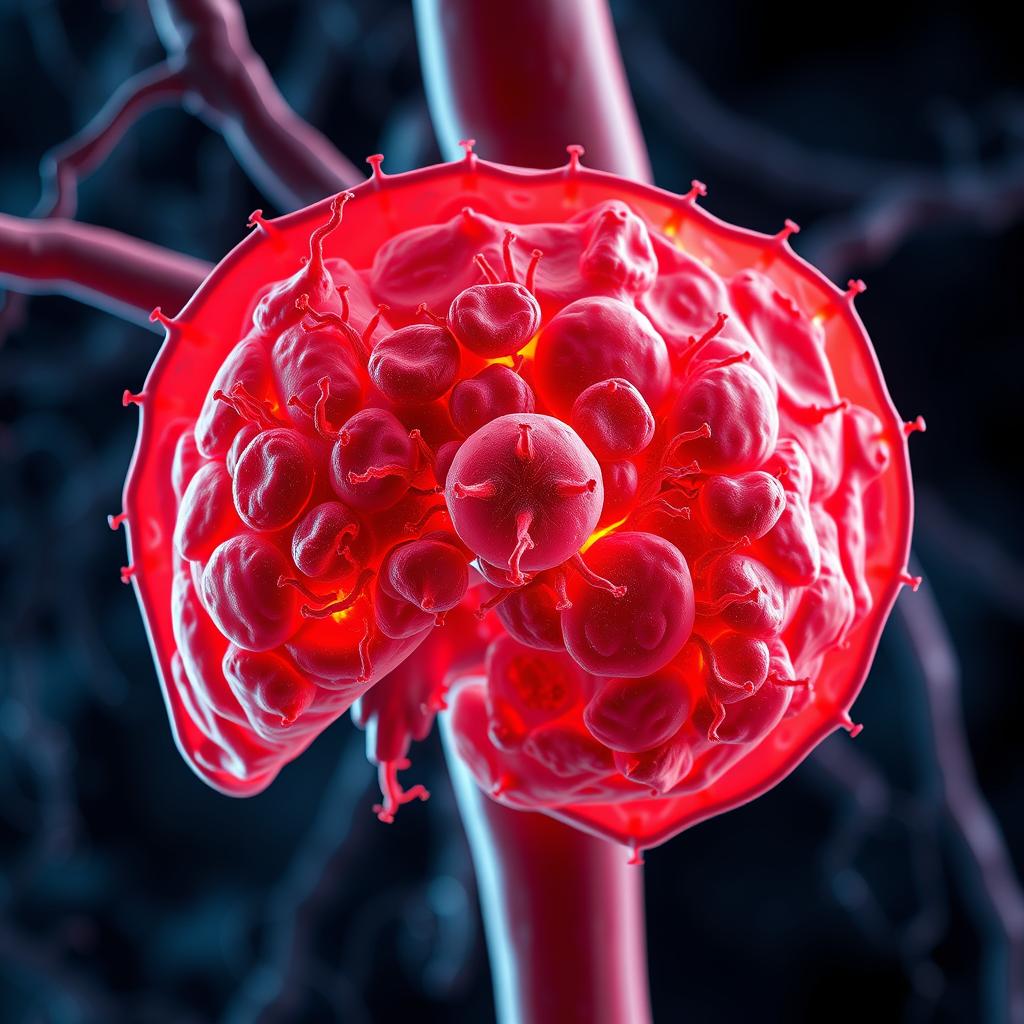
Spatial Compartmentalization of the Portal Tract and Immunological Specificity of GPNMB⁺ Macrophages The most pivotal finding is the spatial compartmentalization of GPNMB⁺ macrophages within the portal tract as disease severity increases. Spatial transcriptomics revealed that this GPNMB⁺ cohort overexpresses genes associated with potent antigen‑presentation capacity and adopts a fibrogenic phenotype that activates neighboring hepatic stellate cells, driving collagen deposition. Thus, the physical location within a specific microenvironment acts as a trigger that converts macrophages into executors of chronic inflammation.
-
Biomarkers and Fibrosis‑Blocking Strategies to Replace Invasive Biopsy The study establishes high‑resolution molecular targets that could overturn the current reliance on invasive liver biopsy for MASH diagnosis. The transcriptional profile and extracellular matrix secretion pattern of portal‑tract‑accumulated GPNMB⁺ macrophages constitute a direct source for developing non‑invasive liquid‑biopsy biomarkers detectable in patient blood. Moreover, designing small‑molecule compounds or gene‑therapy cassettes that selectively block the differentiation or migration of this macrophage subset offers a next‑generation metabolic‑medicine screening guide that preserves normal immunity while precisely inhibiting progression to cirrhosis.
Nature Genetics, Published online: 18 May 2026. DOI: 10.1038/s41588-026-02600-3
Summary: Utilizing a multi-omics approach combining single-cell transcriptomics, proteomics, and metabolomics, this study deciphers the temporal and spatial transformation of macrophage populations during MASH progression. Researchers identified that GPNMB+ macrophages distinctively accumulate within the portal tract during advanced stages. Characterized by robust antigen-presenting profiles and fibrogenic signaling, these microenvironment-driven cells serve as key drivers of liver fibrosis, providing novel high-fidelity targets for non-invasive liquid biopsies and precision immunotherapies.
This dataset proves the mechanisms of MASH progression at the spatial transcriptomics and multi‑omics level, completing a precise map of the immune microenvironment in liver disease. In particular, the mechanism of GPNMB⁺ macrophage accumulation in the portal tract validates target‑discovery algorithms and provides an exceptionally valuable training set for AI models that stratify patients by disease stage at the molecular level.