AAV Large-Scale Production ‘Genetic Cocktail’ Alert: Mixed Designs Impede Therapy
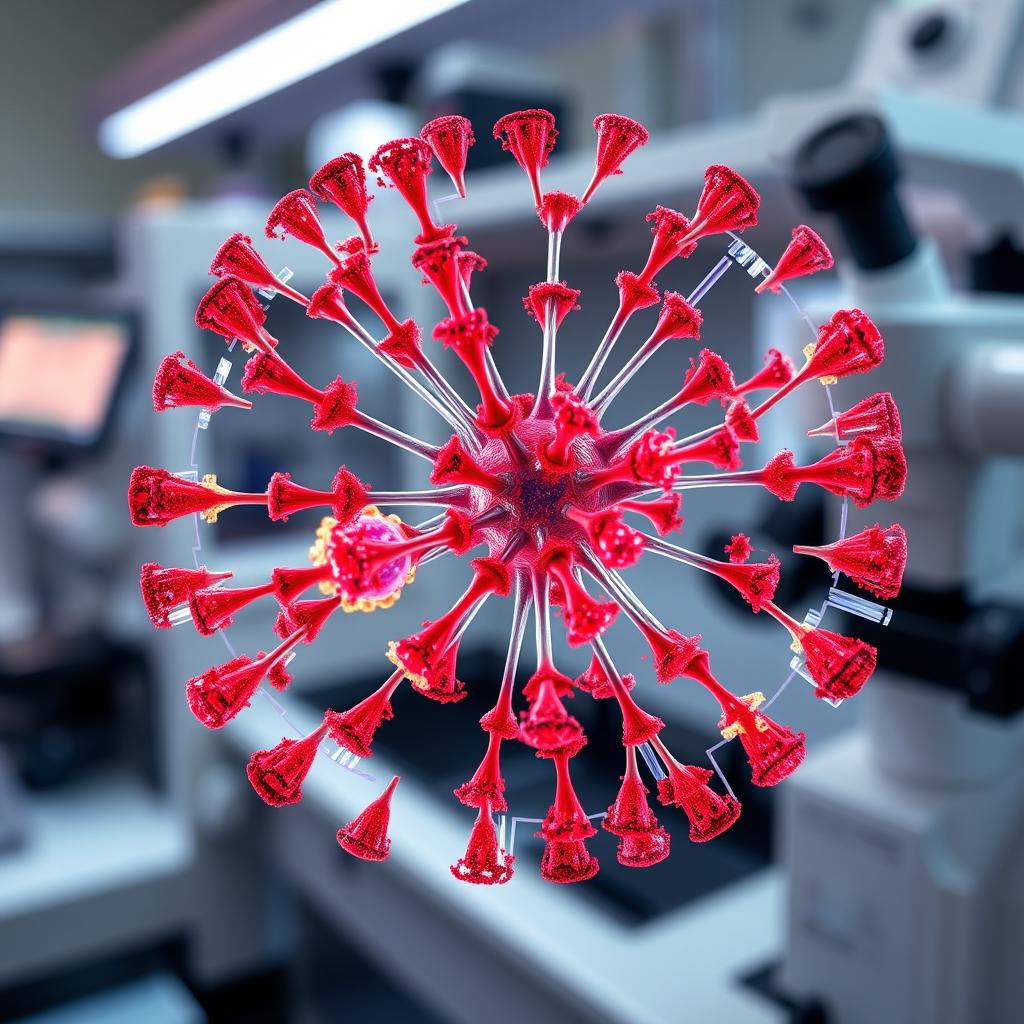
1. Hidden Pitfall of AAV‑Based Gene Therapy: Unintended Mixing
rAAV (Recombinant Adeno-Associated Virus) is the most widely used vector for delivering gene‑therapy agents. In industry, a “Pooled packaging” approach—loading multiple AAV serotypes into a single production batch—is frequently employed to increase efficiency. The problem is that during this process, different genomes can undergo uncontrolled Genetic recombination, resulting in mixed vectors.
2. Length and Homology Drive the Rise of “Chimera” Vectors
The research team used high‑resolution sequencing to dissect the mechanism. They found that short capsids tend to cross‑pair with longer capsids, and that higher sequence similarity (Homology) dramatically increases recombination frequency. Consequently, unintended Chimera vectors are generated in large numbers, reducing product purity and predictability.
3. Paradigm Shift in Manufacturing: “Separate, Precise” Production
These genetic contaminants not only lower vector potency but also pose safety concerns by potentially triggering unexpected immune responses. The investigators propose replacing indiscriminate pooled packaging with strategies such as isolating individual clones for production or designing genomes with minimal homology. This message is strong enough to rewrite the next‑generation AAV manufacturing standard.
4. Implications and Outlook: Toward Cleaner, Precision Therapies
Control of Length and Homology will become essential quality‑control parameters in AAV production lines. Adoption of these practices should enable the generation of impurity‑free gene‑therapy products, enhancing the reliability of personalized precision medicine. The field appears poised to transition from “mass production” to “high‑quality precision manufacturing.”
Nature Biotechnology, Published online: 28 April 2026; doi:10.1038/s41587-026-03097-1Pooled production of recombinant AAV vectors leads to frequent genetic recombination.
A clue has been found to resolve the mysterious defective products (mixed vectors) that arose during large‑scale production. This enables the manufacture of purer, more consistent gene‑therapy agents, allowing patients to receive reliable and safe treatments at any hospital—a step toward a “quality‑assurance era.”