Fundamental Reconditioning of the Tumor Microenvironment: Immune Reconstruction via IRF8·NIK mRNA and Sustained Anticancer Immunity
##1. The Chilled Tumor Microenvironment (TME) and the Barrier of Immune Evasion Conventional immune checkpoint inhibitors (ICI) release the brakes on already infiltrated immune cells, but they are largely ineffective in “cold tumors” where immune cells fail to infiltrate. Cancer cells impede dendritic cell (DC) maturation and recruit myeloid‑derived suppressor cells (MDSC), establishing a potent immunosuppressive barrier. Overcoming this requires more than simply releasing the brakes; it demands a fundamental approach that remodels the entire tumor microenvironment to become immunogenic.
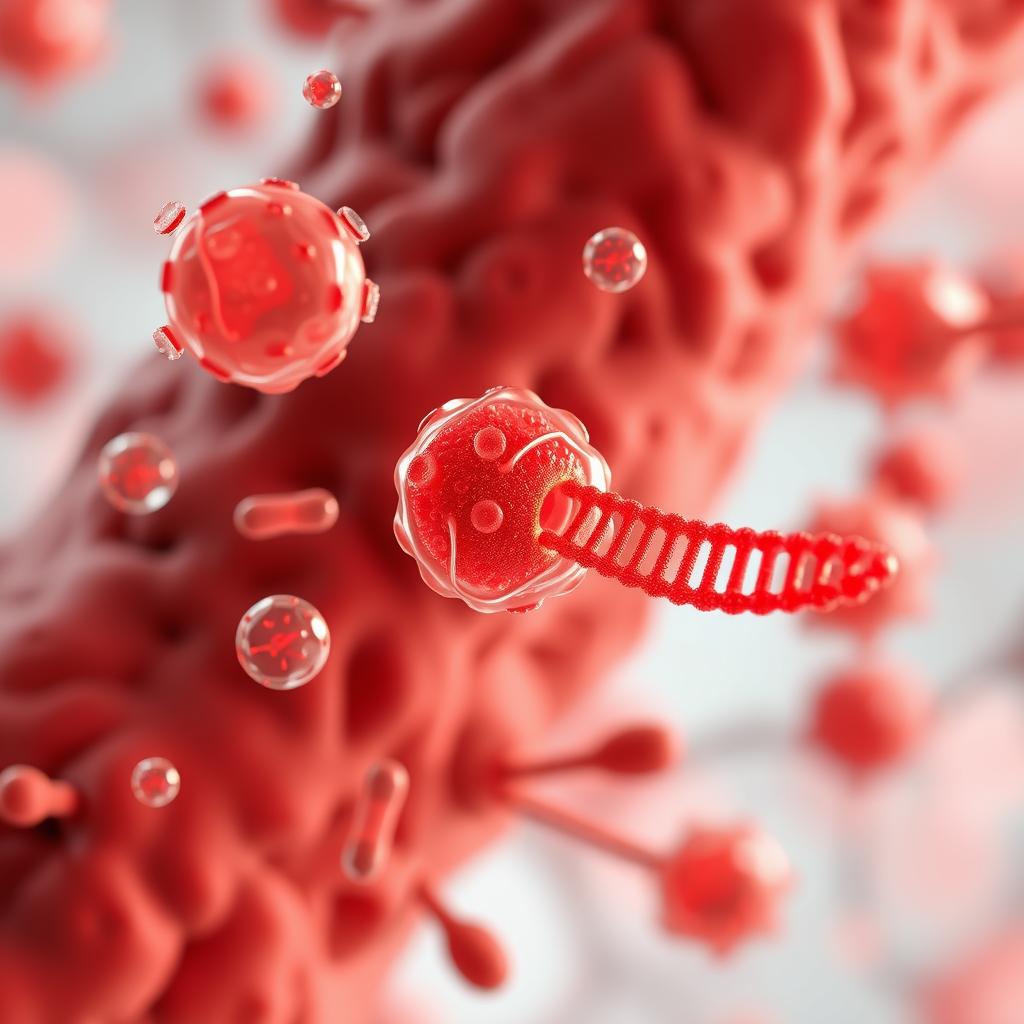
##2. IRF8 and NIK: Synergy Between Dendritic‑Cell Activation and the Non‑canonical NF‑κB Pathway The research team delivered the two key factors, IRF8 and NIK mRNA, into tumors using lipid nanoparticles (LNPs). IRF8 drives the development and maturation of cDC1 dendritic cells that are essential for antigen cross‑presentation, while NIK (NF‑κB‑Inducing Kinase) activates the non‑canonical NF‑κB pathway, amplifying co‑stimulatory signals for immune cells. Their combination converts immature bone‑marrow–derived cells within the tumor into potent antigen‑presenting cells, creating an optimal environment for T cells to recognize and attack cancer cells.
##3. Potent Antitumor Memory Immunity Achieved with a Single Administration In multiple tumor models (melanoma, colorectal cancer, etc.), a single local injection of IRF8·NIK mRNA produced striking tumor suppression. Notably, treated models generated robust “immune memory,” rejecting rechallenge with the same cancer cells. This demonstrates that the mRNA platform does more than provoke a transient attack; it educates the host immune system to surveil and defend against the tumor long‑term, functioning as an intrinsic vaccine.
##4. Why it Matters: Shifting the Paradigm from Passive Inhibition to Active Re‑engineering The critical importance of this work lies in moving the focus of cancer therapy from delivering inhibitors to redesigning the tumor environment. By achieving success in refractory solid‑tumor models that were unresponsive to ICI, the study shows that mRNA technology has evolved from a mere antigen‑delivery (vaccine) tool to a precise immune‑control modality capable of orchestrating complex immune networks. This approach is poised to become a standard protocol for next‑generation, personalized immunotherapies that program the immune milieu according to individual tumor characteristics.
Nature Biotechnology, Published online: 13 May 2026. DOI: 10.1038/s41587-026-03115-2
Immune-remodeling mRNAs encoding IRF8 and NIK, delivered via lipid nanoparticles (LNPs), boost antitumor immunity by reprogramming the tumor microenvironment. This approach promotes the maturation of cDC1s and activates non-canonical NF-kB signaling, leading to robust T-cell infiltration and long-term immune memory across multiple tumor models.
This dataset demonstrates clinical efficacy of a novel anticancer mechanism—IRF8‑NIK–based immune reprogramming—implemented via an mRNA‑LNP platform. By genetically controlling dendritic‑cell differentiation and activation rather than merely presenting antigen, it provides disruptive scientific evidence that can overcome resistance to existing immunotherapies and will serve as a key reference for designing next‑generation immune‑oncology pipelines.