Epigenetic Alterations in Cancer Drug Resistance: Mechanisms and Therapeutic Strategies
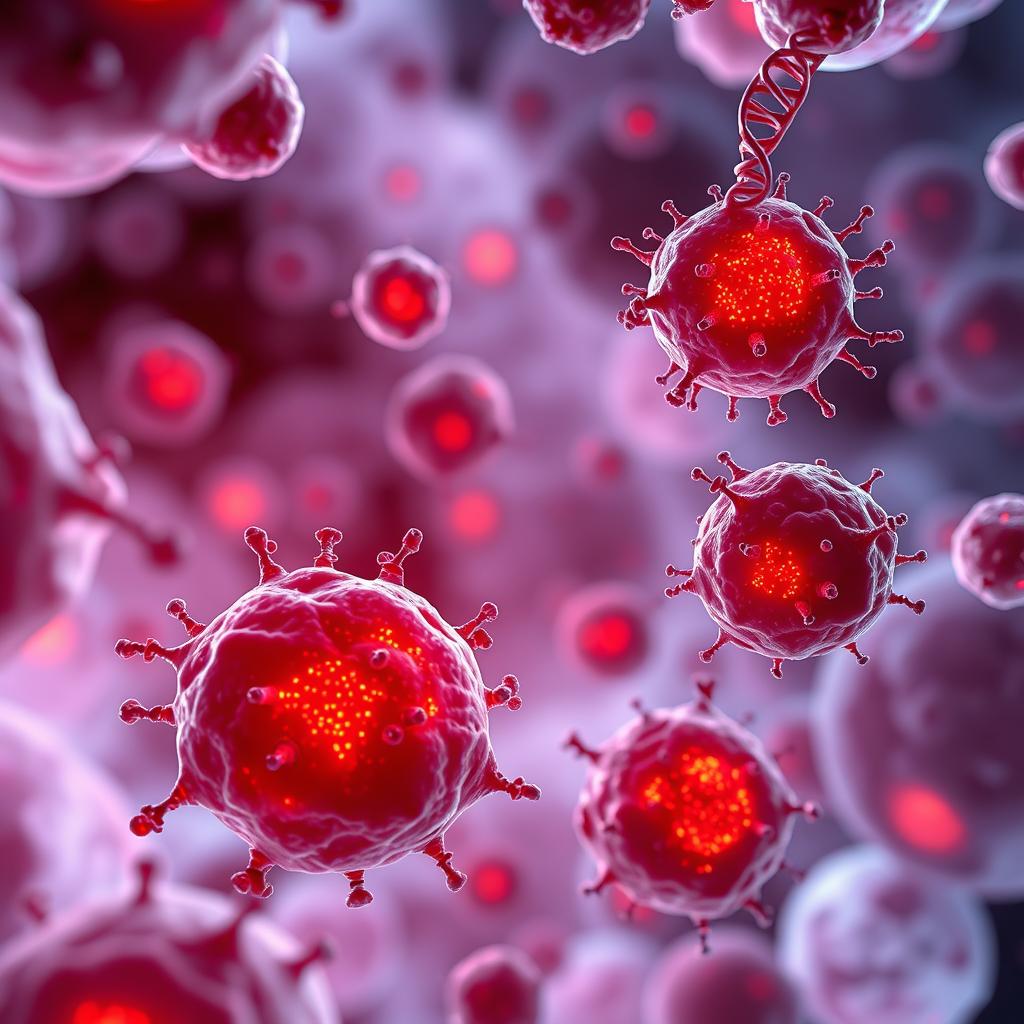
The Hidden Enemy of Treatment Resistance: Epigenetics
Did you know that the primary cause of cancer treatment failure and recurrence is therapeutic resistance? Genetic mutations alone are insufficient to explain this, and it has been revealed that cells dynamically change in response to treatment stress. Efforts have begun to describe this complex adaptive process using the concept of the "epigenetic landscape".
Collaboration Among Epigenetic Layers and a New Integrated Model
DNA methylation, histone modification, chromatin accessibility, and non‑coding RNA intertwine to silence tumor‑suppressor genes and activate survival pathways. Researchers have elucidated, through experimental and data integration, how these layers act simultaneously to induce drug resistance, integrating the findings into an "epigenetic landscape" model.
Direction of Future Therapeutic Strategies
Based on this integrated model, there is optimism that combining epigenetic inhibitors with standard therapies can reprogram resistant cells. Personalized epigenetic therapy is expected to become a key strategy for preventing cancer relapse.
Therapeutic resistance remains a major cause of treatment failure and disease recurrence across cancer types, considerably limiting the long-term efficacy of chemotherapies, targeted therapies, and immunotherapies. Growing evidence indicates that resistance cannot be fully explained by static genetic alterations but rather arises from dynamic and reversible adaptive processes. Epigenetic regulation governs transcriptional plasticity, cellular state transitions, and tumor heterogeneity under therapeutic stress. Alterations in DNA methylation, histone modifications, chromatin accessibility, and non-coding RNA networks enable cancer cells to silence tumor suppressor programs, activate compensatory survival pathways, acquire stem cell-like drug-tolerant persister states, and remodel the tumor immune microenvironment. These mechanisms often act in a coordinated manner to form a dynamic regulatory system that supports adaptive resistance. However, current studies have frequently focused on individual epigenetic regulators and have lacked an integrated framework to explain how epigenetic plasticity collectively drives therapeutic resistance. In this review, we deconstruct cancer therapy resistance using the conceptual framework of the "epigenetic landscape." We summarize the molecular functions and crosstalk among the major epigenetic layers and describe how this integrated network sustains key resistance-associated phenotypes. We also discuss emerging therapeutic strategies that target epigenetic plasticity, including epigenetic drugs, targeted protein degradation, epigenetic editing, and rational combination therapies. Overall, this review provides a systematic framework for understanding epigenetically mediated therapy resistance and highlights epigenetic plasticity as a therapeutic vulnerability for developing durable cancer treatments.
It proposes a fundamental approach to suppress drug resistance, the root cause of cancer treatment failure. This can increase patient survival rates and enable all of us to enjoy longer, healthier lives.