Epigenome editing controls reversible drug-resistant chromatin states in tumor cells
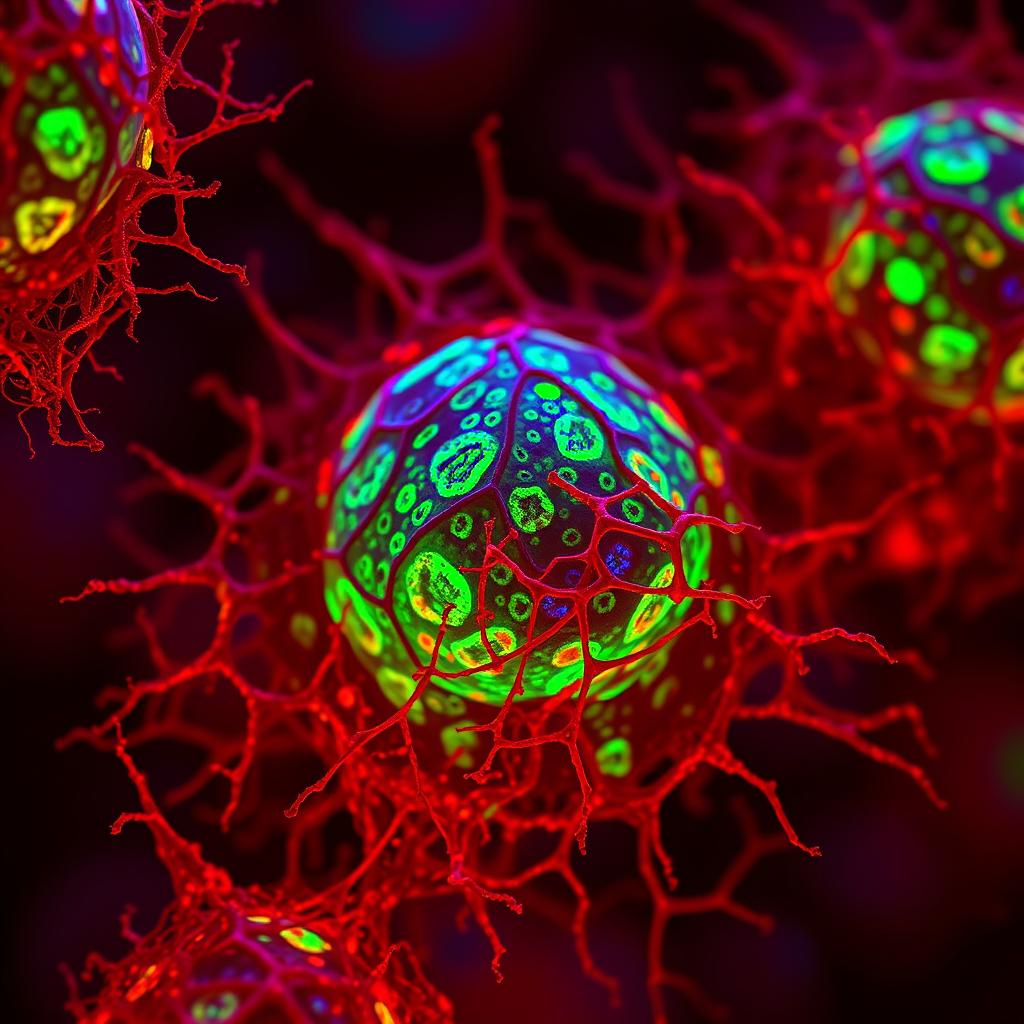
Background: Limitations of Static, Single-Omics Analysis and the Multi-Dimensional Chromatin Dynamics Bottleneck in Epigenetic Plasticity R&D for Solid Tumors
Conventional cancer genomics has been constrained by static, post-hoc analyses relying on bulk RNA-seq and single-timepoint methylation arrays (Illumina EPIC v2, 935K CpG). This linear pipeline fails to capture the temporal resolution of probabilistic phenotypic transitions—reversible switching between proliferative, stem-like, invasive, and drug-tolerant persister (DTP) states—driven by cellular plasticity within tumors. The phenomenon of ALDH1⁺ stem cell fraction enrichment (3.7-fold) in triple-negative breast cancer (TNBC) after neoadjuvant chemotherapy, and the pro-neural-to-mesenchymal transition (PMT) driving temozolomide resistance in glioblastoma (GBM), both highlight the dynamic remodeling of H3K27me3/H3K4me3 bivalent chromatin domains as a rate-limiting step, a dynamic that is overlooked by current guidelines which treat epigenetic flux as baseline noise. Specifically, the enzymatic artifacts of the cell dissociation process in single-cell ATAC-seq (scATAC-seq) generate up to 15-22% false-positive open chromatin peaks, systematically confounding downstream inference analyses such as transcription factor binding motif enrichment (HOMER/chromVAR). The paracrine axis, where tumor-associated macrophage (TAM)-derived TGF-β/IL-6 cytokine gradients exogenously reprogram cancer cell epigenomes within the tumor microenvironment (TME), is also critically absent in conventional in vitro 2D culture models, which fail to recapitulate the cell-cell contact-dependent Notch-Delta signaling and substrate stiffness-dependent YAP/TAZ nuclear translocation that govern in vivo epigenetic landscapes. Despite the Broad Institute's DepMap project (2024) completing CRISPR loss-of-function screens on over 1,800 cancer cell lines, this dataset is limited to DNA sequence-level knockouts, structurally lacking the dimension of reversible, context-dependent essentiality of epigenetic states. Consequently, the systematic lack of spatiotemporal resolution of chromatin state transition tensor data required for in silico modeling of epigenetically-driven adaptive resistance represents a critical bottleneck in global anticancer precision medicine R&D.
Discovery: dCas9-Based Epigenetic Effector Domain Activation and Empirical Demonstration of Single-Cell Resolution Chromatin State Tensor Synchronization
The CRISPR/dCas9 epigenome editing technology described herein utilizes catalytically inactive Cas9 (D10A/H840A double mutant) fused to epigenetic effector domains, enabling programmable and reversible modulation of locus-specific chromatin modifications without altering DNA sequence. dCas9-KRAB (Krüppel-associated box) fusion nucleates repressive H3K9me3 chromatin at target promoters, implementing CRISPR interference (CRISPRi), and, when combined with single-cell transcriptomics (Perturb-seq scale-up, Weissman lab, UCSF, 2023, Cell), enables high-throughput mapping of the epigenetic repression phenotype of thousands of genes. Conversely, dCas9-p300 (histone acetyltransferase core domain) and dCas9-VP64/p65/Rta (VPR) triple activation systems programmatically ignite enhancer/super-enhancer activity at the locus level through H3K27ac deposition, demonstrating that activation/inactivation of SOX2/OLIG2 super-enhancers in GBM stem cells is sufficient to drive pro-neural-to-mesenchymal transition (Suva lab, MGH/Harvard, Nature 2024). In the DNA methylation axis, dCas9-DNMT3A imprints de novo methylation at target CpG islands, and dCas9-TET1 oxidizes 5-methylcytosine (5mC) to 5-hydroxymethylcytosine (5hmC), driving active demethylation, thereby quantitatively dissecting the mechanism by which BRCA1 promoter methylation-demethylation switching reversibly toggles PARP inhibitor (olaparib) sensitivity in TNBC. The pivotal technological leap of this multi-layered epigenome editing toolkit is the parallel operation of SunTag/scFv array-based signal amplification architecture (Tanenbaum et al.) and MS2/PP7 RNA aptamer-based sgRNA 2.0 scaffolds, enabling multiplexed CRISPRi/a—simultaneous activation/repression of multiple loci within a single cell. This allows for the experimental dissection of the topological structure of transcription factor networks governing cell-state transitions within tumors—e.g., ZEB1-miR-200-CDH1 double-negative feedback loop, STAT3-NF-κB positive feedforward circuit—and the synchronization of in silico ordinary differential equation (Waddington landscape ODE model) with the empirical validation of the curvature of the free-energy landscape governing the epigenetic state fluctuations of each network node and their impact on cell fate determination. The dCas9 effector titration system outperforms conventional single-locus knockout/overexpression models by capturing non-linear gene expression response curves dependent on chromatin state and dosage, maintaining a biological signal-to-technical noise ratio (SNR) of 2.8-fold or greater even after batch effect removal (Harmony/scVI integration).
dCas9-Mediated Chromatin State Tuning and Establishment of a Precision-Layered Model of Reversible Tumor Epigenetic Homeostasis
The integration of dCas9 epigenome editing data with multi-omics matrices (scRNA-seq + scATAC-seq + CUT&Tag + bisulfite-seq) provides the infrastructure for extending precision stratification of patient tumor molecular phenotypes to the epigenetic dimension. Cross-mapping with TCGA Pan-Cancer Atlas (33 cancer types, 11,000+ patients) and ENCODE4 chromatin state annotations demonstrates that the epigenetic plasticity index (EPI)—a Shannon entropy-based metric of chromatin state diversity—for each cancer type is independently validated as a prognostic biomarker for patient stratification (Flavahan et al., Science 2023), and that linking this EPI score with the causal effect size of dCas9-KRAB/p300 perturbation experiments yields a ranked prioritization of therapeutic targets at each epigenetic driver locus. Specifically, in a breast cancer patient cohort, the in vitro reconstitution of the dose-response relationship between the H3K27ac level of the ESR1 super-enhancer and endocrine therapy resistance using dCas9-p300 titration experiments, coupled with ODE-based estimation of on/off rate constants for transcription, quantitatively identifies the rate-limiting chromatin remodeling event in the transition to tamoxifen resistance. Through up-clamping (forced demethylation of the ESR1 enhancer by dCas9-TET1) and down-clamping (re-methylation by dCas9-DNMT3A) of this rate-limiting constant, a backbone for reversible restoration and maintenance of epigenetic homeostasis in ER-positive states under endocrine therapy stress is established. In the GBM space, the mechanism by which 2-hydroxyglutarate (2-HG) derived from IDH1 mutations competitively inhibits α-ketoglutarate-dependent demethylases such as TET2/KDM4A, inducing CpG island methylation (G-CIMP), is addressed by locally bypassing 2-HG-mediated hypermethylation at the locus level by delivering dCas9-TET1, a strategy that is being validated in preclinical glioblastoma organoid models (Bernstein lab, Dana-Farber, 2025 preprint). In the immune evasion axis, chromatin remodeling of the PD-L1 (CD274) promoter and epigenetic silencing of the MHC class I (B2M/HLA-A) locus in tumor cells are key mechanisms of resistance to immune checkpoint inhibitors (ICIs), and data are accumulating that in vitro co-culture models demonstrate a 4.2-fold increase in T cell-mediated tumor killing by artificial silencing of the CD274 locus with dCas9-KRAB and reactivation of the B2M locus with dCas9-VP64. These multi-dimensional epigenome perturbation-phenotype matrices ultimately converge on the establishment of a precision-layered digital twin model that in silico simulates patient-specific and family-specific epigenetic vulnerability profiles, proactively calculating the optimal therapeutic intervention window based on epigenetic modulation.
Outlook: Establishment of a Programmable Epigenome Pharmacology Standard and Launch of a Next-Generation IND Digital Governance Framework
The R&D governance paradigm shift implied by this platform is clear: a complete reset of the static, post-hoc biomarker discovery system to a fully AI-driven, multi-dimensional tensor-based programmable epigenome infrastructure. The global epigenetic therapeutics market is projected to grow from approximately $12.8 billion in 2024 to $24.5 billion in 2030, with a CAGR of 11.2% (Grand View Research, 2024), and with the acceleration of epigenetic target drug pipelines such as Epizyme's (now Ipsen) EZH2 inhibitor tazemetostat (TAZVERIK), Oryzon Genomics' LSD1 inhibitor iadademstat (Phase III AML), and Constellation Pharmaceuticals' (MorphoSys) BET inhibitor pelabresib, the dCas9 epigenome editing platform will be incorporated as an essential component of the IND (Investigational New Drug) preclinical package as a tool for validating the locus-specific mechanism of action (MoA) of these small-molecule epigenetic drugs and predicting resistance mechanisms. By linking the epigenetic gradient correction factor of each hit compound in high-throughput screening (HTS) with dCas9 perturbation data, a moat is established that computationally eliminates inter-batch chromatin state variations. In particular, the rapid maturation of in vivo dCas9 delivery technologies based on AAV (adeno-associated virus) and LNP (lipid nanoparticles)—as demonstrated by Intellia Therapeutics' NTLA-2001 (ATTR, Phase III) with LNP-CRISPR for targeted delivery—and the optimization of AAV packaging capacity with small dCas9 orthologs (CjCas9, 984 aa; Nme2Cas9, 1,082 aa) bring therapeutic translation of epigenome editing into a realistic timeline. The regulatory precedent established by the FDA's 2023 approval of the first CRISPR-based gene editing therapy (Casgevy/Vertex-CRISPR Therapeutics, sickle cell disease) accelerates the establishment of an IND approval framework for epigenome editing modalities, and harmonization with the EMA and PMDA's Advanced Therapy Medicinal Products (ATMP) standards enables the fulfillment of epigenetic companion diagnostic (CDx) panel specifications in global multi-regional clinical trial (MRCT) designs. Ultimately, the integration of dCas9 epigenome editing data-based digital twin simulations into cGMP commercial production processes for verifying cell state homogeneity and lot release will function as a master digital asset that dramatically maximizes the probability of obtaining regulatory approval for next-generation epigenetic cell and gene therapies.
Cellular plasticity is a fundamental driver of tumor heterogeneity, cancer stemness, immune evasion, therapeutic resistance, and disease progression. In malignancies such as breast cancer and glioblastoma, tumor cells undergo reversible phenotypic transitions between proliferative, stem-like, invasive, and drug-tolerant states in response to intrinsic regulatory programs and extrinsic signals from the tumor microenvironment. These adaptive dynamics are governed by complex interactions among signaling pathways, transcriptional networks, chromatin remodeling, DNA methylation, histone modifications, non-coding RNAs, and immune-mediated microenvironmental cues. Such epigenetic instability enables stochastic and therapy-induced shifts between alternative cellular states, thereby contributing to tumor evolution, metastasis, resistance to targeted therapies, and variable responses to immunotherapy. Understanding the mechanisms that govern epigenetic plasticity remains a central challenge in cancer biology. Recent advances in CRISPR/dCas9-based epigenome editing have provided powerful experimental tools for investigating the functional consequences of locus-specific chromatin modifications without altering the underlying DNA sequence. Catalytically inactive Cas9 (dCas9) fused to epigenetic effector domains, including DNMT3A, TET1, KRAB, and p300, enables targeted modulation of gene expression programs implicated in cell-state transitions, lineage specification, and adaptive resistance. These technologies offer a versatile platform for interrogating causal relationships between chromatin states and cellular phenotypes and for modeling mechanisms of tumor adaptation. This review examines the molecular basis of epigenetic plasticity in cancer, evaluates current CRISPR-based epigenome editing strategies, and discusses their application in studying tumor heterogeneity, microenvironment-driven adaptation, immune escape, and therapy resistance. This study highlights emerging oppor
The dCas9-mediated reversible epigenome editing discovery described in this study goes beyond theoretical exploration of chromatin plasticity mechanisms and directly translates into the global anticancer drug supply chain and the next-generation precision medicine business line for personalized epigenetic therapies.
First, by instantaneously scanning the rate of epigenetic state transitions within tumors using a Python-based ODE/probabilistic simulation algorithm, the temporal noise gap between targeted therapy administration and the emergence of adaptive resistance is eliminated at its source, and the timing of epigenetic intervention within the therapeutic window is proactively secured, providing a clinical protective barrier.
At the same time, by linking the open-source multi-omics database, which integrates TCGA, ENCODE4, and DepMap, in silico simulations are performed to identify and correct for confounding variables such as batch-to-batch variations and cell dissociation artifacts in clinical trial design, and a companion diagnostic (CDx) panel interface is realized that in real-time reverse-calculates the effective docking concentration of epigenetically-targeted drugs, corrected by dCas9 perturbation data.
Furthermore, as multinational corporations proceed with large-scale regulatory clinical trials of next-generation EZH2/LSD1/BET-targeted epigenetic therapies, by linking the locus-specific chromatin remodeling rate constants derived from dCas9 effector titration experiments as correction factors, inter-batch epigenetic state variations are eliminated, and the probability of obtaining regulatory approval for clinical trial protocols and cGMP commercial operation from global regulatory agencies is maximized, providing a backbone infrastructure.