The Hidden Code of Type 1 Diabetes in the Genome: Decoding Nonlinear Interactions with Machine Learning
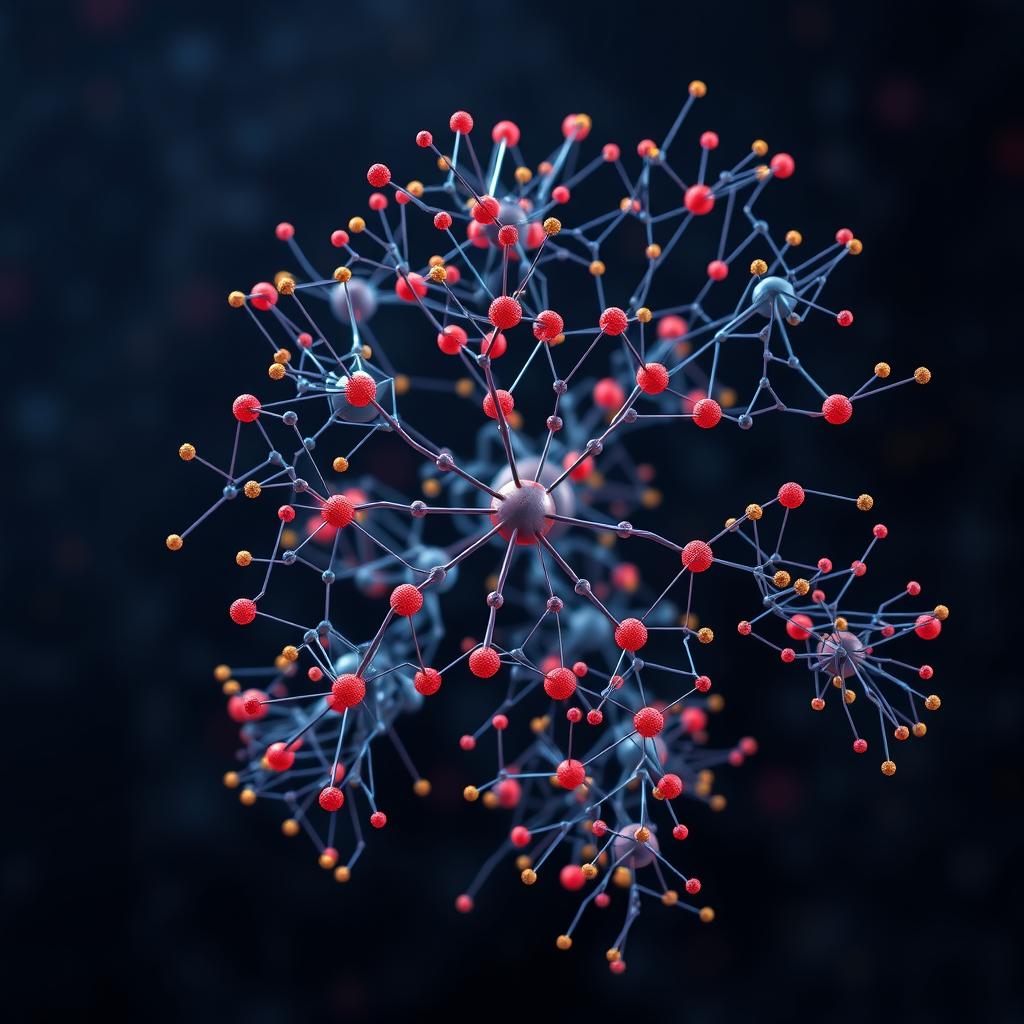
##1. Limits of Linear Prediction and Genetic “Dark Matter” Type 1 diabetes (T1D) is a disease with a strong genetic component, and genomic‑based prediction has achieved considerable success to date. However, conventional linear models merely sum the effects of individual genetic variants and fail to capture complex nonlinear locus‑locus interactions between genes. This limitation leads to a plateau in predictive accuracy and uncertainty in early intervention.
##2. “Synergy” and “Antagonism” Between Genes Captured by Deep Learning The research team applied deep‑learning algorithms to large‑scale genomic big data to address this issue. The machine‑learning model does not treat thousands of variants independently; instead, it learns how they influence each other—i.e., when a specific gene A is present, the risk associated with gene B may be amplified or suppressed in a nonlinear pattern. This enables risk estimation that is far more precise than traditional approaches.
##3. Discovery of Molecular Subclusters: Diabetes Is Not the Same for Everyone Beyond a simple “high‑risk” label, the team identified molecular subclusters based on gene‑interaction patterns. Each subcluster displayed distinct clinical characteristics such as age at onset, disease progression speed, and complication risk. These findings suggest that T1D is not a single disease entity but a collection of disease pathways shaped by genetic background.
##4. Personalized Preventive Medicine: Precision Diagnostics That Alter Disease Trajectory The practical value of this model lies beyond prediction—it optimizes preventive strategies. Within high‑risk groups, timing of immunotherapy or provision of tailored lifestyle guidance can be adjusted according to the characteristics of each subcluster, potentially delaying disease onset or mitigating symptoms. This approach promises more efficient allocation of healthcare resources and a substantial reduction in the psychological and economic burden on patients and families.
Nature Genetics, Published online: 30 April 2026; doi:10.1038/s41588-026-02571-5Genetic prediction of type 1 diabetes is one of the most successful for complex traits. A machine learning approach now improves this further and discovers multiple non-linear locus–locus interactions and molecular subclusters with differing clinical features.
This study presents a standard model that integrates artificial intelligence with genomic analysis to conquer the complexity of polygenic diseases. In particular, the molecular subcluster data uncovered through nonlinear interactions will serve as an irreplaceable high‑quality training source for future drug‑response prediction and novel target identification.