Exosomes Emerge as Both Propagators and Potential Therapeutic Agents for Neurodegenerative Diseases
Background
Neurodegenerative diseases, including Alzheimer's disease, Parkinson's disease, and amyotrophic lateral sclerosis (ALS), are characterized by progressive neuronal loss, protein misfolding, and chronic neuroinflammation. Despite the increasing global prevalence due to an aging population, effective disease-modifying therapies remain elusive. Existing treatments primarily focus on symptom management, and the blood-brain barrier (BBB) poses a significant obstacle to drug delivery.
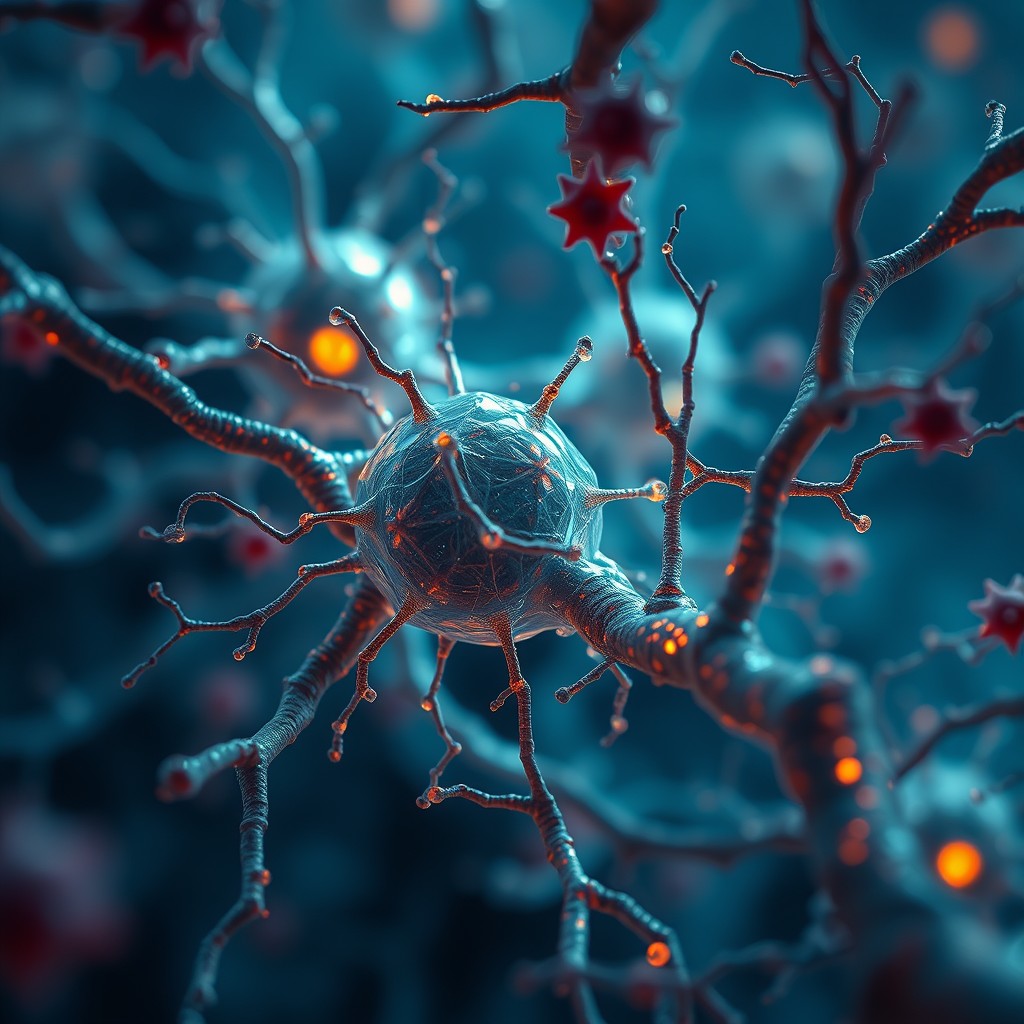
In this context, exosomes, nanoscale vesicles secreted by cells, have emerged as key mediators of communication in the central nervous system. These vesicles transport proteins, lipids, and nucleic acids across cellular and anatomical barriers, influencing synaptic function, immune signaling, and metabolic homeostasis. However, this transport function can be a double-edged sword in disease states.
Key Findings
A review article by Ravinder K. Kaundal and colleagues at the National Institute of Pharmaceutical Education and Research (NIPER-R), published in Molecular Neurobiology, systematically summarizes the evidence supporting the central role of exosomes in the pathogenesis, diagnosis, and treatment of neurodegenerative diseases.
From a pathological perspective, exosomes propagate misfolded proteins such as amyloid-β, phosphorylated tau (p-tau), alpha-synuclein (α-synuclein), and TDP-43 along neuronal networks. This process contributes to the spread of local pathology throughout the brain and is implicated in the mechanisms underlying tau propagation in Alzheimer's disease and Lewy body propagation in Parkinson's disease.
Simultaneously, exosomal cargo carries disease-specific molecular signatures. These signatures can be detected in peripheral biofluids such as blood or cerebrospinal fluid, enabling the development of minimally invasive biomarkers for early diagnosis and longitudinal monitoring without the need for invasive tissue biopsies. This allows for the assessment of disease status without direct access to brain tissue.
The therapeutic potential of exosomes is particularly intriguing. By engineering exosomes, they can be repurposed as delivery vehicles capable of crossing the BBB and directly delivering RNA-based therapeutics, proteins, or gene-editing systems to affected areas. Compared to synthetic nanoparticles, exosomes exhibit lower immunogenicity and possess inherent biocompatibility as cell-derived vesicles.
Significance and Implications
The review highlights the dual role of exosomes: as propagators of disease and as potential therapeutic agents that can leverage this propagation ability for targeted drug delivery.
However, several challenges remain before clinical application. These include the development of scalable and standardized exosome production methods, ensuring consistent cargo loading efficiency, and achieving precise targeting of specific cell types. For liquid biomarkers, further validation is needed to improve both sensitivity and specificity, particularly in distinguishing between healthy controls and early-stage patients.
Nevertheless, the potential to non-invasively deliver RNA interference (RNAi) or CRISPR-based gene-editing tools to the brain represents a significant advance over existing viral vectors (e.g., AAV) and their associated immune responses. The integration of diagnosis and therapy into a single exosome-based platform, known as theranostics, may represent the next paradigm shift in the field of neurodegenerative diseases.
Neurodegenerative disorders, including Alzheimer's disease, Parkinson's disease, and amyotrophic lateral sclerosis, are defined by progressive neuronal loss, protein misfolding, and chronic neuroinflammation, yet effective disease-modifying therapies remain absent. Exosomes have emerged as key mediators of central nervous system communication and are increasingly central to the biology of neurodegeneration. These nanoscale vesicles transport proteins, lipids, and nucleic acids across cellular and anatomical barriers, influencing synaptic function, immune signaling, and metabolic homeostasis. Under pathological conditions, exosomes facilitate the spread of misfolded proteins such as amyloid-β, p-tau, α-synuclein, and TDP-43, thereby accelerating network-level degeneration. At the same time, their cargo exhibits disease-specific molecular signatures detectable in peripheral biofluids, supporting their development as minimally invasive biomarkers for early diagnosis and longitudinal monitoring. Advances in exosome engineering further underscore their potential as therapeutic delivery vehicles capable of crossing the blood-brain barrier and targeting pathogenic pathways with RNA-based therapeutics, proteins, or gene-editing systems. Together, these findings position exosomes as pivotal contributors to both the mechanistic progression and translational targeting of neurodegenerative diseases.
The most immediate clinical application is the use of blood-based exosome biomarkers. Current early diagnosis of Alzheimer's disease relies on PET imaging or cerebrospinal fluid analysis, which are costly and burdensome for patients. The development of liquid biopsies that detect disease-specific patterns of amyloid-β and p-tau in blood exosomes could enable large-scale screening.
As therapeutic delivery platforms, exosomes have direct implications for the pharmaceutical industry. Drug carriers capable of crossing the BBB can address a major bottleneck in the development of new drugs for brain diseases, particularly for nucleic acid therapeutics such as antisense oligonucleotides (ASOs) or small interfering RNAs (siRNAs), which may offer advantages over existing lipid nanoparticles. However, the establishment of GMP-compliant exosome manufacturing processes is a prerequisite for their entry into clinical pipelines, making process development and regulatory guidelines essential for industrialization.