Terminal stage of hospital infection, a triple-fusion strategy to neutralize CRAB: synergy of phage‑peptide‑CRISPR
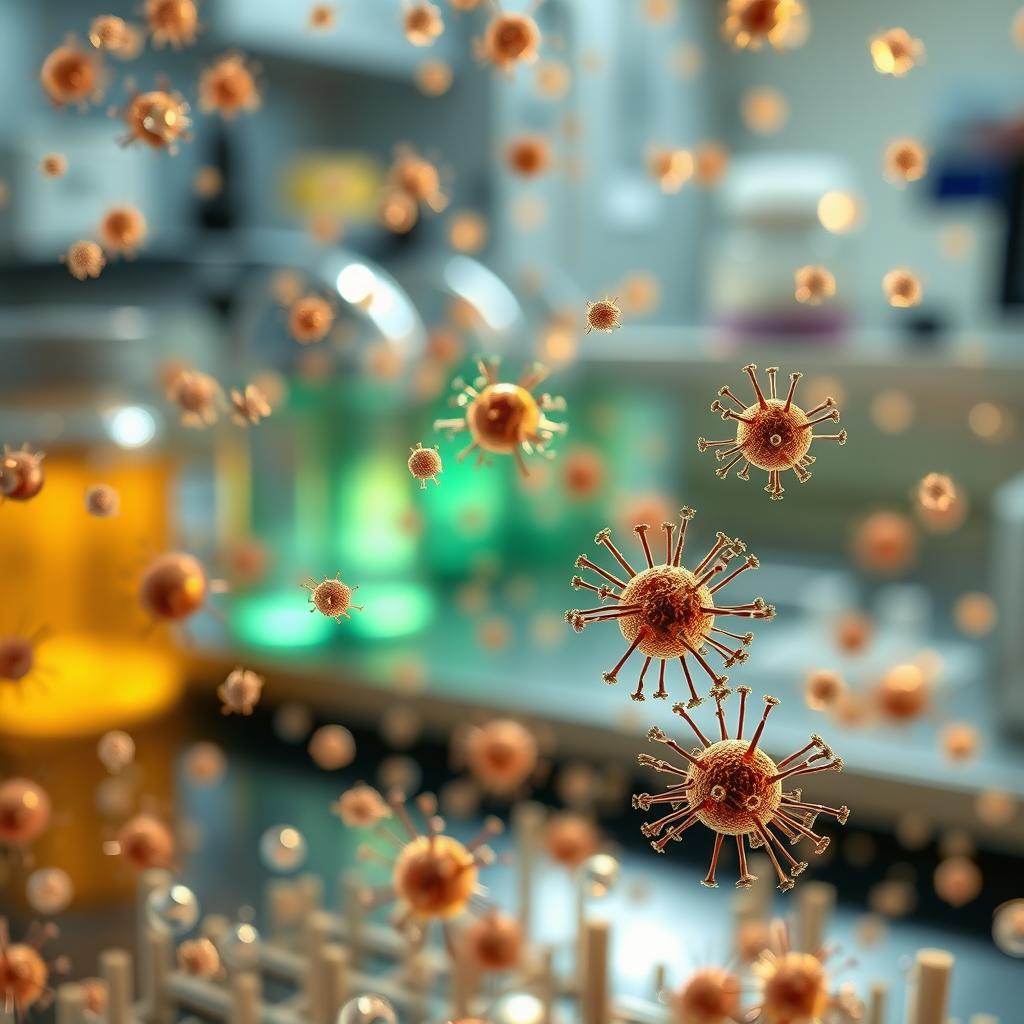
##1. Acinetobacter baumannii: the "superbug" hidden in the blind spot of modern medicine Acinetobacter baumannii persists stubbornly in hospital environments and causes ventilator‑associated pneumonia or sepsis in immunocompromised patients. The spread of carbapenem‑resistant (CRAB) multidrug‑resistant strains has completely neutralized the existing antibiotic pipeline. This organism forms robust biofilms that simultaneously resist physical cleaning and antibiotic penetration, and it boasts extreme survivability by sharing resistance genes in real time with neighboring strains through quorum sensing.
##2. Phage‑antimicrobial peptide synergy: combined attack on membrane disruption and enzyme neutralization The research team presented a synergy model that combines phage therapy with antimicrobial peptides (AMP) to overcome the limitations of single‑agent therapy. Phages bind to specific bacterial receptors and lyse the cells; the microscopic fissures generated during lysis are then targeted by the AMP. In particular, the peptide used in this study directly inhibits the activity of the bacterial defense enzyme β‑lactamase, thereby restoring the bactericidal activity of antibiotics that had previously been rendered ineffective—a phenomenon termed antibiotic re‑sensitization.
##3. CRISPR‑Cas and nanoparticle delivery: precise excision of genetic resistance codes Beyond simple killing, the team loaded CRISPR‑Cas genome‑editing technology onto nanoparticles and delivered it into bacterial cells. This intelligent nanoplatform recognizes the core gene sequences that confer multidrug resistance and precisely cleaves them, creating a permanent genetic loss of resistance mechanisms. Even if the bacteria remain viable, they lose resistance, allowing conventional antibiotic administration to control the infection easily—an innovative approach.
##4. Paradigm shift in ICU infection management and health‑economic value The study is critically important because it demonstrates the efficacy of “fusion therapy,” the most powerful alternative in the post‑antibiotic era, against CRAB, the primary cause of nosocomial outbreaks. By integrating phage, peptide, and gene‑editing strategies, it provides evidence that treatment success rates can be dramatically increased and hospital stays shortened. This is expected to improve survival of high‑risk patients and to reduce the multi‑trillion‑won annual cost of managing multidrug‑resistant organisms, representing a pivotal transition for the healthcare system.
Acinetobacter baumannii has emerged as an agent of potentially life-threatening nosocomial infections, particularly among immunocompromised patients. Its ability to rapidly acquire resistance genes has made traditional antibiotic therapies progressively ineffective. The spread of bacterial contamination in hospital facilities increased due to lack of awareness among healthcare workers and improper management/handling of infectious samples. The persistence of pathogen in the hospital environment is increased with its ability to form biofilms, quorum sensing, and virulence factors. The infections caused by these agents are increasing in incidence and severity; necessitating efficient and timely management. This review highlights the epidemiological trends and molecular mechanisms involved in the pathogenesis and resistance of A. baumannii. The key resistance mechanisms that the organism possess include the activity of efflux pumps, beta-lactamase enzymes, and mobile genetic elements. This review discusses emerging treatment strategies - such as phage therapy - antimicrobial peptides, CRISPR-Cas-based technologies, and nanotechnology-enabled drug delivery- highlighting their respective benefits and limitations, with special emphasis on innovations like phage-antibiotic synergy and precision genome editing approaches. Despite promising advances, challenges remain, including the emergence of resistance pathogen, limited clinical scalability, and concern regarding the safety and toxicity of novel treatment options. Addressing these issues require focus on molecular insights of resistance mechanisms, the development of effective alternative therapies, and implementation of preventive strategies such as vaccines. Furthermore, execution of global antimicrobial stewardship program and robust surveillance systems are critical for effectively control and manage the threat posed by A. baumannii.
This dataset presents a multimodal antimicrobial strategy that weaves together "physical killing (Phage)", "biochemical inhibition (AMP)", and "genetic reprogramming (CRISPR)" into a single timeline. By targeting CRAB—the most challenging problem in hospital infection control—it establishes a mechanistic foundation for a clinically applicable "antibiotic synergy protocol", representing a unique scholarly contribution.