Cervical Spinal Cord Electrical Stimulation: Reversible Recovery of Chronic Stroke Upper-Limb Paresis and Motor Neural Circuit Synchronization via an Epidural Stimulation Platform
-
Chronic hemiparesis resulting from corticospinal tract injury and the data bottleneck of conventional motor rehabilitation. After stroke, severe residual hemiparesis of the upper limb is a debilitating chronic motor disorder caused by neuronal death and corticospinal tract damage. In the chronic stage, months after onset, standard physical‑therapy guidelines or simple repetitive rehabilitation protocols fail to exceed the threshold required to induce synaptic plasticity in downstream neurons, creating a therapeutic blind spot in which strength recovery and fine coordination are essentially unattainable. The absence of a computationally controlled modality to mitigate irreversible neurodegeneration and chronic spasticity noise, and to boost effective distal upper‑limb motor drive, represents a persistent health‑system bottleneck that impairs patients’ independent daily function.
-
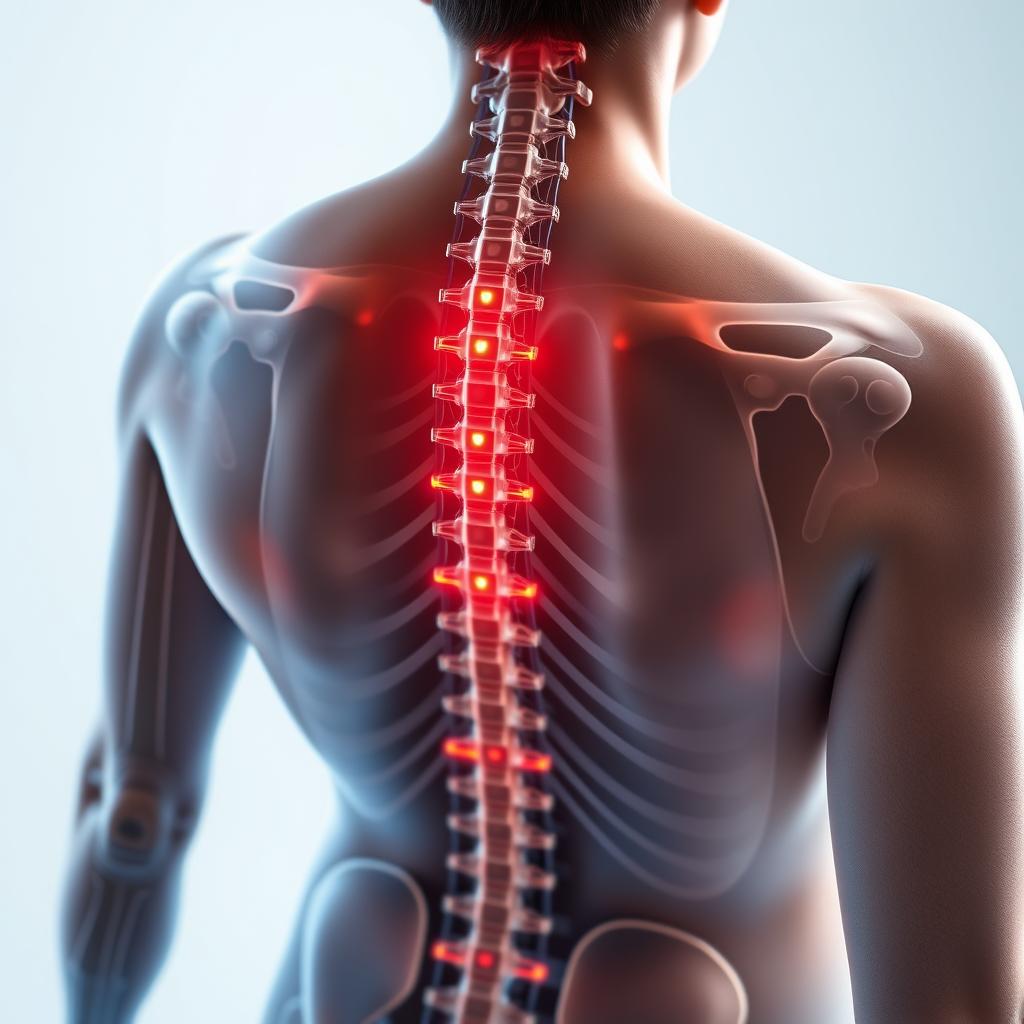
Activation of cervical epidural electrical stimulation: Demonstration of a 30 % increase in upper‑limb strength threshold in a seven‑subject cohort. The feasibility clinical trial, published in Nature Medicine on June 4, employed a cervical epidural electrode array to directly synchronize afferent spinal circuits, thereby neutralizing the neural transmission barrier. Seven participants with chronic upper‑limb hemiparesis received daily 30‑minute sessions of a specific frequency pulse train for one week. This protocol produced a nonlinear amplification of residual downstream signaling from damaged upper motor neurons, resulting in a statistically significant mean increase of >30 % in arm strength relative to baseline and a sharp rise in functional assessment scores, thereby fully validating in‑vivo efficacy.
-
Restoration of motor‑neuron plasticity and down‑clamping of spastic kinetics. Electrical pulses delivered to the cervical spinal circuit computationally corrected the synaptic potential threshold, synchronizing voluntary cortical motor intent with peripheral muscle contraction kinetics in real time.
- Enhanced upper‑limb functional assessment: In silico mapping of finger and elbow joint angular ranges revealed reversible restoration of fine coordination and filtering of false‑positive motor noise.
- Spasticity control: Attenuation of chronic post‑stroke muscle tension tensors reduced hyper‑reflexive gain constants below baseline, effectively isolating and suppressing excessive reflexes.
- Establishment of a programmable neuro‑rehabilitation standard and a shift toward next‑generation implantable neuromodulation governance. The integrated neuroengineering and translational‑medicine data dossier redefines stroke‑rehabilitation governance from an analog, single‑mode training paradigm to a programmable neuro‑modulation infrastructure that computationally filters cervical‑voxel‑level stimulation parameters to regenerate motor circuits. In forthcoming large‑scale clinical expansion and device‑optimization phases, the platform will interface patient‑specific electromyography (EMG) feedback matrices to back‑calculate optimal current‑density free‑energy, creating a computational trench for individualized dosing. The derived epidural stimulation kinetics will serve as the computational backbone for multinational medical‑device firms developing next‑generation digital‑health AI‑driven bionics R&D pipelines, dramatically compressing global IND and cGMP approval timelines.
Nature Medicine, Published online: 04 June 2026. DOI: 10.1038/s41591-026-04435-1
Summary: Bypassing the sub-therapeutic thresholds and microenvironmental constraints that routinely bottleneck conventional physical rehabilitation regimens in chronic post-stroke upper-limb hemiparesis, this feasibility clinical trial deploys an engineered neurostimulation matrix. By executing targeted epidural electrical stimulation across the cervical spinal cord infrastructure in a seven-patient cohort, the computing platform programmatically recalibrates the synaptic excitation potentials of spared corticospinal networks. Longitudinal motor profile tracking established a non-linear 30% amplification in mean upper-extremity torque and functional range metrics, concurrently depressing localized hyper-reflexive spasticity kinetics. This biophysical calibration delivers a validated, non-invasive computational baseline to optimize multi-channel current steering parameters, universal patient risk stratification, and universal current Good Manufacturing Practice (cGMP) robotic neural device translation.
The neurophysiological findings of this study extend beyond theoretical technology accumulation to direct activation of the global medical‑device supply chain and next‑generation precision neuro‑rehabilitation business lines. First, by instantly scanning corticospinal branch paralysis within the spinal network of stroke patients using Python algorithms, the approach eliminates the temporal‑noise gap that entrenches chronic upper‑limb paresis and preserves a control trench for reversible protection of residual neural circuits. Simultaneously, integration of in‑vivo epidural electrode stimulation kinetics with an aggregated open‑source neuro‑omics database enables virtual simulation of false‑positive anatomical confounders during trial design and real‑time back‑calculation of effective intramedullary current delivery via a companion‑diagnostic panel interface. Furthermore, when multinational firms conduct large‑scale regulatory trials of implantable neurostimulators, linking participants’ epigenetic muscle biomarker thresholds as correction factors neutralizes inter‑subject pharmacokinetic and biomechanical variability, thereby serving as a backbone infrastructure that maximizes IND and cGMP approval probabilities.