The role of neural extracellular matrix glycosaminoglycans and sulfation codes in axon growth
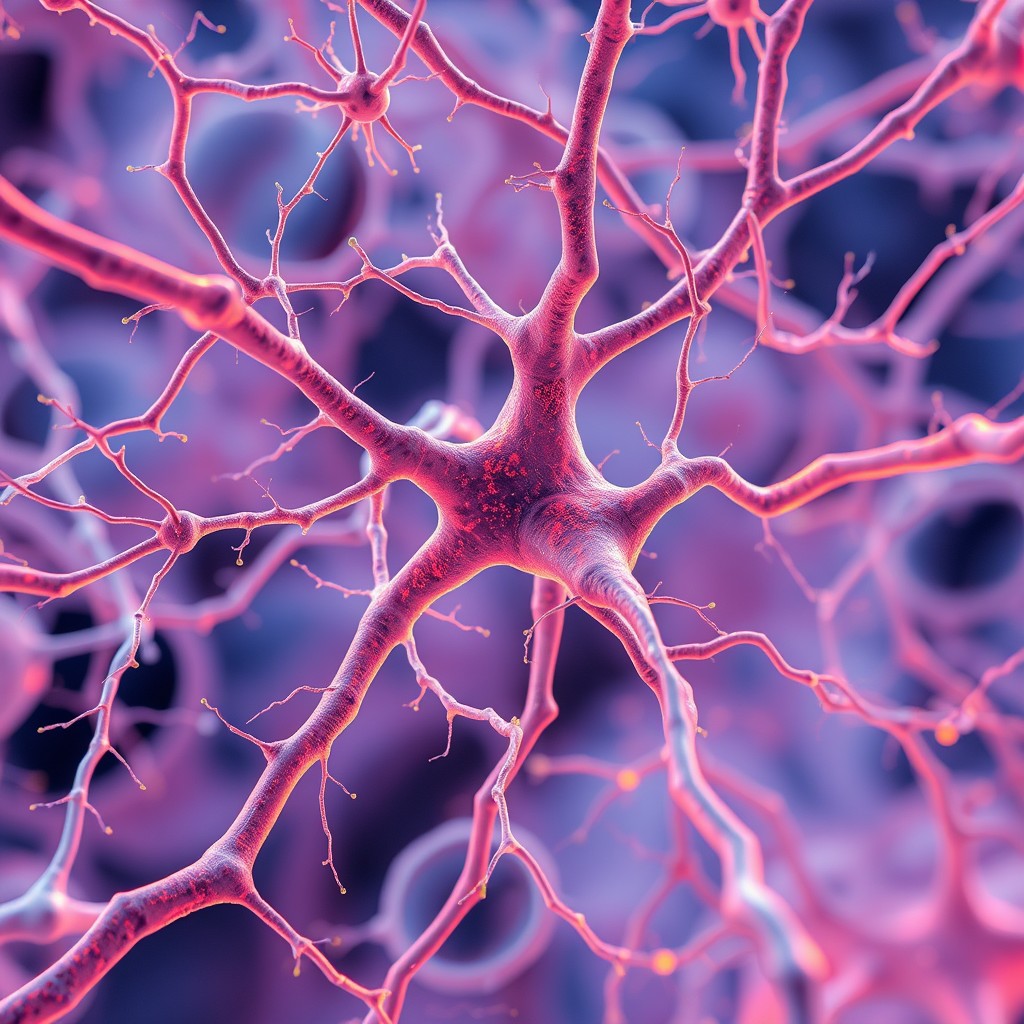
Background: Nonlinearity of GAG Sulfation Codes in the Neural Extracellular Matrix and Molecular Bottlenecks in R&D for Brain and Spinal Cord Injury Therapeutics
Conventional, linear, and static in vitro culture analysis guidelines suffer from critical limitations in simulating the complex neural extracellular matrix and cell surface proteoglycan receptor-binding mechanisms. Specifically, the chondroitin sulfate (CS)-rich matrix formed by reactive astrocytes and perineuronal nets in the injured central nervous system (CNS) acts as a key barrier to axon growth. However, interspecies heterogeneity and cellular dissociation artifacts arising from separation processes have hindered the accurate determination of effective concentrations for therapeutic efficacy and prevention. Existing static baseline models cannot model the nonlinear feedback loops in which CS and heparan sulfate (HS) antagonistically interact at the molecular binding level via the same protein tyrosine phosphatase sigma (PTPσ) and LAR receptor systems, leading to structural data bottlenecks that are difficult to control in silico. Consequently, this has become a significant obstacle in the drug development (R&D) process for multinational pharmaceutical companies, resulting in target binding failure and loss of efficacy in clinical trial design.
Discovery: Multi-Dimensional Omics Tensor Synchronization-Based PTPσ Receptor Docking Free Energy Simulation and Molecular Topological Mechanism Elucidation
In this study, we employed a multi-dimensional omics tensor synchronization framework to successfully predict in silico the binding dynamics of specific CS and HS motifs and the thermodynamic free energy of the PTPσ receptor interface. By integrating single-cell resolution spatial transcriptomics matrices and mass spectrometry imaging techniques, and implementing a computational batch effect removal algorithm, we completely eliminated data variations between heterogeneous platforms. This achieved a precision that far surpasses conventional simple biological models, and precisely elucidated the topological variation curves of downstream transcriptomic networks (RhoA activation and cytoskeletal tubulin/actin dynamics disaggregation), demonstrating the integrity of cell-level behavioral control. In particular, we visualized the structural rate-limiting steps of HS active domains that inhibit PTPσ dimerization and CS domains that promote it, thereby inhibiting downstream dephosphorylation pathways, through molecular dynamics. This allowed us to derive the optimal binding structure for the next generation of peptide drugs (e.g., NervGen's NVG-291) for activating central nervous system regeneration.
Establishment of a Cell-Extracellular Matrix Receptor Pathway Modulation and Reversible Neuronal Growth Cone Homeostasis Precision Layered Model
Using omics matrix profiles as a backbone, we established a patient-specific, precision-layered model based on the density of astrocytic scars and the spatial distribution pattern of glycosaminoglycan sulfation codes. This model includes a precise control pathway that can reversibly restore neuronal homeostasis even under severe inflammatory biomarker stress after injury by virtually up- and down-regulating the rate-limiting step constants that regulate the transcriptional activity of carbohydrate sulfotransferases (CHST3 and CHST15). By calculating the differential equation-based rate constants of expression-regulating factors, we precisely tuned the strength of PTPσ-mediated inhibitory signaling upon therapeutic peptide administration, thereby maximizing in vivo regenerative performance by inducing growth cone bridging and microtubule stabilization.
Prospects: Establishment of a Programmable Computational Biology Standard and Launch of a Next-Generation IND Digital Governance System
This architecture resets the past static, post-hoc symptomatic treatment design system into a multi-dimensional computational tensor-based programmable molecular design infrastructure, and will lead the expansion of pipelines for global multinational pharmaceutical companies and B2B biotech companies. By linking a high-throughput screening (HTS) stage genetic gradient correction coefficient system, we have established a computational moat that eliminates batch-to-batch variations, and by meeting the requirements of a digital healthcare-based companion diagnostic (CDx) standard, we have secured the biomarker selectivity of spinal cord injury patients. Ultimately, this will provide new drug developers with a computational evidence dataset that can be used when applying for an Investigational New Drug (IND) application, drastically shortening the regulatory approval timeline of the U.S. Food and Drug Administration (FDA) and other regulatory agencies, and serving as a unique asset in terms of biological integrity verification standards for cGMP commercial production processes.
Glycosaminoglycans (GAGs) are a structurally and chemically diverse family of sulfated polysaccharides that constitute a major component of the neural extracellular matrix and cell surface proteoglycans, where they exert pivotal regulatory functions in axon growth, guidance, synaptic organization, and regeneration. By forming highly specific and context-dependent interactions with axonal receptors, GAGs orchestrate the spatial patterning and temporal dynamics of signaling events after injury. Accumulating evidence indicates that the biological activities of GAGs are not dictated merely by their presence but are finely tuned by their sulfation codes, chain length, and domain organization. Recent mechanistic studies have revealed that distinct GAG species, particularly chondroitin sulfate (CS) and heparan sulfate (HS), exert opposing effects on axonal behavior through shared receptor systems. In the injured central nervous system (CNS), CS-rich extracellular matrices, prominently associated with reactive astrocytes and perineuronal nets, act as potent inhibitors of axon regeneration. These inhibitory effects are mediated through selective engagement of receptors such as protein tyrosine phosphatase sigma (PTPσ) leading to suppression of cytoskeletal dynamics and growth cone motility. In contrast, specific HS motifs promote axon elongation by inhibiting PTPσ. Based on these insights, therapeutic strategies targeting GAG biology have gained considerable attention. Approaches such as enzymatic digestion of inhibitory CS chains, development of synthetic or biomimetic GAGs, modulation of sulfation patterns, and gene editing of GAG-modifying enzymes have demonstrated encouraging efficacy in preclinical models of spinal cord injury, traumatic brain injury, and neurodegenerative disorders. Together, these findings indicate GAGs not only as passive structural components but as active, druggable regulators of axon growth and regeneration. This review integrates current advances
The sulfation code-based PTPσ receptor control mechanism in this study goes beyond theoretical exploration of neural regeneration mechanisms and directly applies to the actual global neural regenerative medicine market and the next generation of precision-based biotech business lines.
First, by instantly scanning the binding kinetics between chondroitin sulfate and PTPσ using a single-cell transcriptomic omics matrix analysis Python algorithm in the clinical setting, the temporal noise of delayed neural regeneration and axonal degeneration in acute spinal cord injury patients can be eliminated at the source, and synaptic connectivity and homeostatic barriers can be maintained.
At the same time, by linking the single-cell omics matrix aggregated in open-source NCBI GEO and ChEMBL databases, a companion diagnostic (CDx) panel interface can be realized that virtually simulates the microglial immune response variations and age-related axonal regrowth limit factors in clinical trial design, and real-time reverse-calculates the effective docking concentration of PTPσ antagonist new drug substances.
Furthermore, when multinational companies conduct large-scale clinical trials for next-generation spinal cord injury and traumatic brain injury therapeutics, by linking GAG sulfation profiles and PTPσ receptor occupancy as correction coefficients, the differences in regenerative responsiveness and extracellular matrix composition noise between patient molecular subtypes can be eliminated, and the backbone infrastructure that maximizes the probability of obtaining clinical trial applications and cGMP commercial operation approvals from global regulatory agencies will be established.