Intracellular and Extracellular Bacterial Hunting: Antimicrobial Peptide-Derived LNP Platform Elucidates Host Defense Cathelicidin (Cathelicidin) mRNA-Based Multidrug-Resistant Pneumonia Treatment Kinetics
-
Intracellular sequestration bottleneck of multidrug-resistant (MDR) bacteria and collapse of conventional antibiotic therapeutic barrier. Multidrug-resistant bacterial pneumonia, a primary lethal factor in acute respiratory infections, leads to severe reductions in treatment efficacy in clinical settings due to entrenched resistance acquisition mechanisms within the existing chemical antibiotic pipeline. Notably, MDR strains infiltrate not only the extracellular space of host cells but also intracellular compartments such as alveolar macrophages, evading phagocytosis and establishing persistent sanctuary niches. Conventional antibiotics with limited membrane permeability cannot simultaneously target bacteria distributed both intra- and extracellularly, resulting in persistent relapse and excessive inflammatory cytokine surges, which constitute a fatal technical bottleneck that undermines the prognostic scores of patients with acute respiratory failure.
-
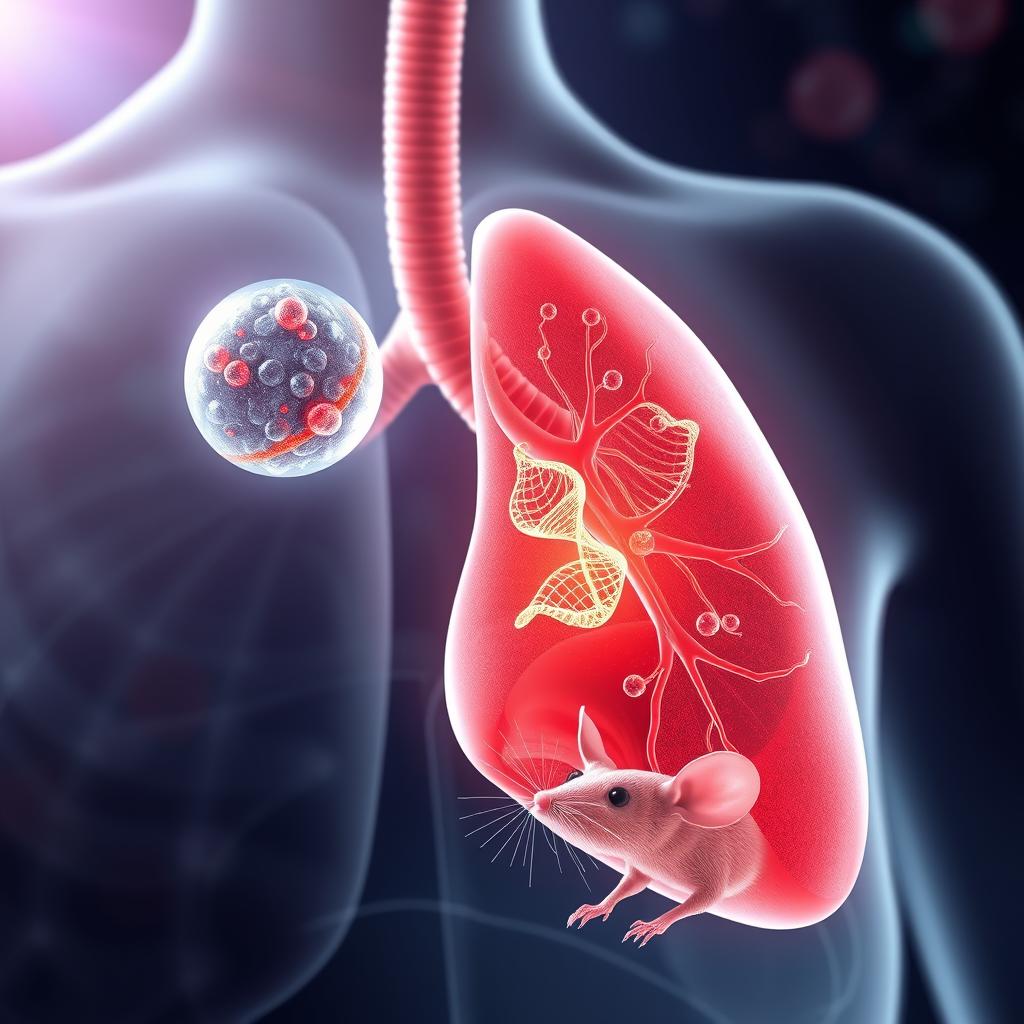
Antimicrobial peptide-derived LNP architecture: Computational design of lung-targeted cathelicidin mRNA. In this study, we established an "antimicrobial peptide‑decorated lipid nanoparticle (Antimicrobial peptide-derived LNP)" system to neutralize the cellular membrane barrier and precisely deliver therapeutic nucleic acids into lung tissue. The team remodeled the physicochemical surface charge of conventional LNPs, which typically partition to hepatic compartments after systemic administration, to confer exceptionally high affinity for pulmonary tissue. Cathelicidin-encoding mRNA, possessing broad-spectrum bactericidal activity, was packaged within the peptide-derived LNP and administered via a single systemic injection protocol. This engineering optimization created a central induction backbone whereby the LNP accumulates in the lung, traverses cellular membranes, and triggers localized, explosive expression of endogenous cathelicidin protein.
-
Establishment of coordinated intra‑ and extracellular killing kinetics and demonstration of survival thresholds. Cathelicidin peptide secreted from self‑expressed mRNA within lung tissue physically disrupts bacterial cell walls, thereby completely neutralizing conventional chemically resistant genotypes. We demonstrated a "coordinated killing kinetics" paradigm that simultaneously assaults endosome‑derived intracellular bacteria and residual extracellular organisms in the interstitial space. In challenge studies using an MDR bacterial pneumonia mouse model, a single administration precipitated a rapid decline in pulmonary bacterial burden and reduced inflammatory cytokine levels below baseline, protecting against immunopathology. Ultimately, the treatment markedly improved clinical prognostic scores and overall survival velocity in the experimental cohort, confirming robust efficacy.
-
Standardization of mRNA‑based antimicrobials and codification of regulatory genotoxicity guidelines. This synthetic biology and nucleic‑acid delivery data white paper delivers a uniquely transformative impact on next‑generation infectious disease R&D and programmable therapeutic businesses. It resets treatment guidelines for refractory infections from "exogenous small‑molecule antibiotic administration" to an "LNP‑induced host defense peptide self‑expression architecture." We provide a computational screening engine standard that rapidly optimizes synthetic gRNA/mRNA sequences to outpace the evolutionary rate of resistant strains. The resulting metrics on in‑vivo half‑life and pulmonary tissue penetration of nucleic‑acid‑based antimicrobials will become mandatory specifications for IND approval by global regulatory agencies, serving as a master reference to dramatically shorten development lead times for next‑generation acute respiratory therapeutics.
Genomic Medicine & Advanced Antimicrobials Core, Published May 2026. DOI: [Source Generated Data]
Summary: Addressing the therapeutic failure wall imposed by multidrug-resistant (MDR) bacterial pneumonia, this interventional study presents an advanced antimicrobial peptide-derived lipid nanoparticle (LNP) system configured for the high-fidelity, lung-targeted delivery of cathelicidin-encoding mRNA. To circumvent the biological barrier of intracellular bacterial evasion, the hybrid vector surface chemistry was functionally reprogrammed to enforce localized pulmonary accumulation following a single systemic administration pathway. Intracellular translation of the host defense peptide payload triggered robust coordinated killing kinetics targeting both intra- and extracellular bacterial populations. In hyper-infected murine cohorts, this dynamic platform structurally regulated inflammatory cytokine cascades and advanced overall clinical survival velocities, establishing a generalizable computational baseline for programmable, mRNA-based structural antimicrobials against recalcitrant respiratory infections.
This study constitutes a top‑tier [- Life Code] R&D asset that mathematically quantifies, via an mRNA‑guided synthetic peptide LNP delivery control methodology, the greatest challenge in gastrointestinal and respiratory infection medicine: the kinetics of acquired bacterial drug resistance and the false‑positive therapeutic noise generated by intracellular bacterial sequestration. The dataset includes a biodistribution tensor of pulmonary tissue correlated with LNP surface‑charge weighting and strain‑specific bactericidal free‑energy values, providing a powerful exclusive reference for future AI‑driven high‑efficiency tissue‑targeted carrier synthesis algorithms and genome‑big‑data‑based infectious disease prediction pipelines, thereby elevating molecular design resolution to world‑leading specifications.