Adeno-Associated Virus-Mediated Parkin Gene Delivery Shows Promise for Treating Early-Onset Parkinson's Disease
Background
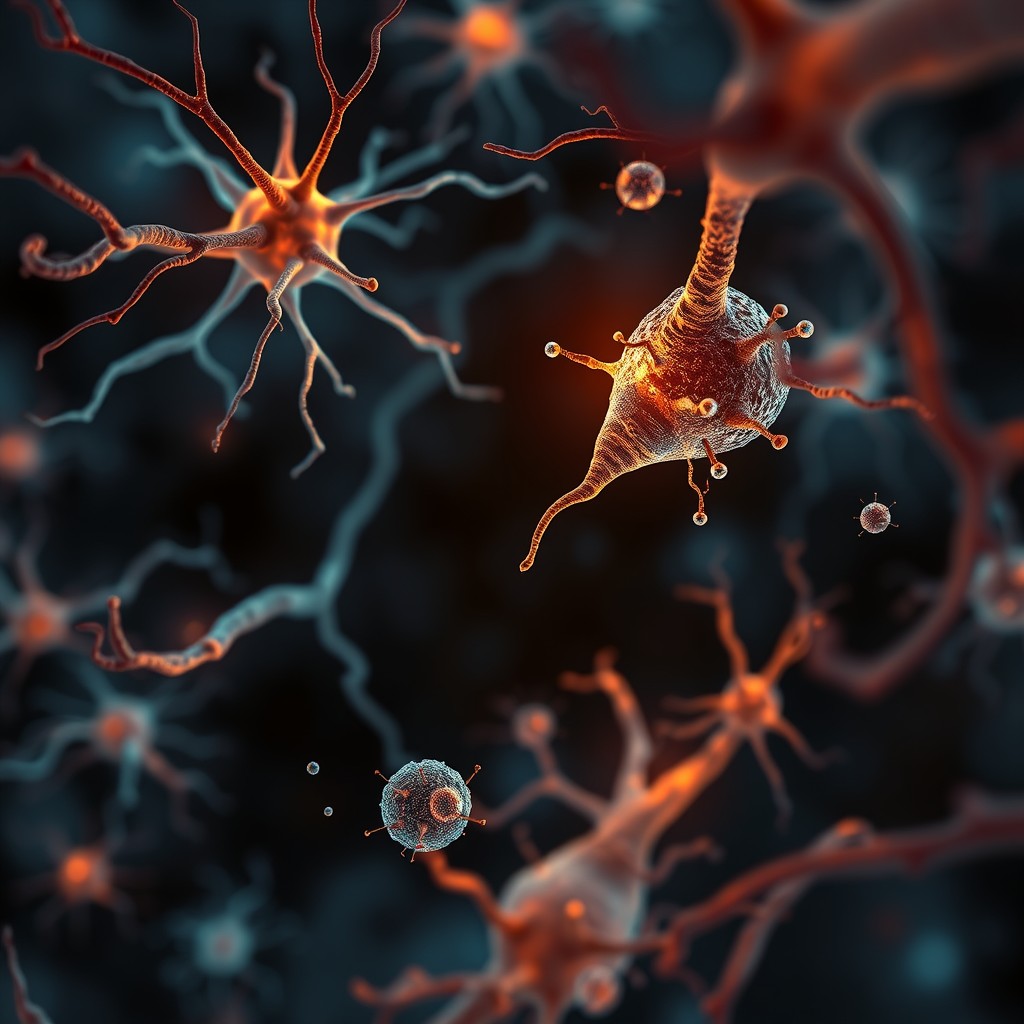
Early-Onset Parkinson's Disease (EOPD) is characterized by its onset at a relatively young age, significantly impacting the patient's quality of life. A primary cause of this condition is loss-of-function mutations in the Parkin gene. In normal cells, the Parkin protein induces mitophagy, a process that removes damaged mitochondria, thereby preventing neuronal damage. However, when these mutations occur, the function of the Parkin protein is impaired, leading to the accumulation of toxic mitochondria within the cell. This results in increased cellular stress and the eventual death of dopamine-producing neurons.
Current treatments, such as levodopa, primarily focus on alleviating symptoms by supplementing dopamine levels. However, these treatments do not address the underlying disease progression. As time passes, the effectiveness of these medications diminishes, and side effects increase, highlighting the need for a more fundamental treatment that targets the root cause of the disease. Gene therapy, which involves directly delivering a functional copy of the defective gene into brain cells, has emerged as a potential solution.
Key Findings
The researchers developed a therapeutic agent consisting of a normal Parkin gene packaged within an adeno-associated virus (AAV) vector. A critical indicator of the treatment's effectiveness is phosphorylated ubiquitin Ser65 (pUb). pUb acts as a signal that marks damaged mitochondria for degradation. The normal function of the Parkin protein is essential for activating pUb and initiating the mitophagy pathway.
The researchers conducted cell-based experiments and demonstrated that the AAV vector effectively delivers the normal Parkin gene into cells. Within these cells, the normal chemical binding and activation of pUb were observed. The exogenously introduced Parkin gene was successfully expressed as a functional protein, restoring the mitochondrial degradation mechanism. This indicates that the AAV-Parkin treatment can overcome the genetic defect and reactivate the cellular cleaning system.
Significance and Future Directions
The AAV-Parkin gene therapy represents a significant step towards developing a disease-modifying treatment for Parkinson's disease caused by genetic mutations. Unlike existing dopamine-based therapies that only provide temporary symptom relief, this approach aims to address the underlying protein deficiency. The demonstration of improved pUb binding, a key biomarker of the disease, provides a valuable objective criterion for evaluating the efficacy of future clinical trials.
However, several challenges remain before this therapy can be widely implemented. Further research is needed to confirm that the delivered gene can stably express the normal protein in the patient's brain cells for an extended period. The potential for the AAV vector to be rejected by the patient's immune system or to cause unexpected inflammatory reactions also needs to be carefully considered. The development of standardized and safe microinjection techniques for precisely delivering the therapeutic agent to the targeted brain regions is another important area of focus.
BACKGROUND: Biallelic loss-of-function mutations in OBJECTIVE: Investigate Parkin gene replacement via AAV gene therapy as a potential treatment for Parkin-dependent EOPD. METHODS: We initially validated phosphorylated ubiquitin Ser65 (pUb RESULTS: Our research showed pUb CONCLUSIONS: Our results support the potential of AAV-Parkin gene therapy as a disease-modifying approach for Parkin-deficient EOPD.
This gene therapy approach is emerging as a promising personalized treatment option for specific early-onset patients with Parkin gene mutations. In clinical practice, the AAV-Parkin therapeutic agent is likely to be administered via microcatheters directly into the striatum or substantia nigra, areas of the brain with a high concentration of neurons. This single-dose treatment has the potential to permanently restore the autophagy function of neurons, delaying the death of dopamine-producing cells. This could significantly improve the quality of life for Parkinson's patients by reducing the need for daily medication and potentially preventing the progression to severe motor disabilities, thereby extending the period of independent living. Furthermore, this approach could serve as a foundation for developing targeted therapies for other neurodegenerative diseases that share mitochondrial dysfunction as a common pathological mechanism, including age-related Parkinson's disease.