Relentless AI, Evolving Clinical Trials: Ushering in the Era of Real‑Time Updates
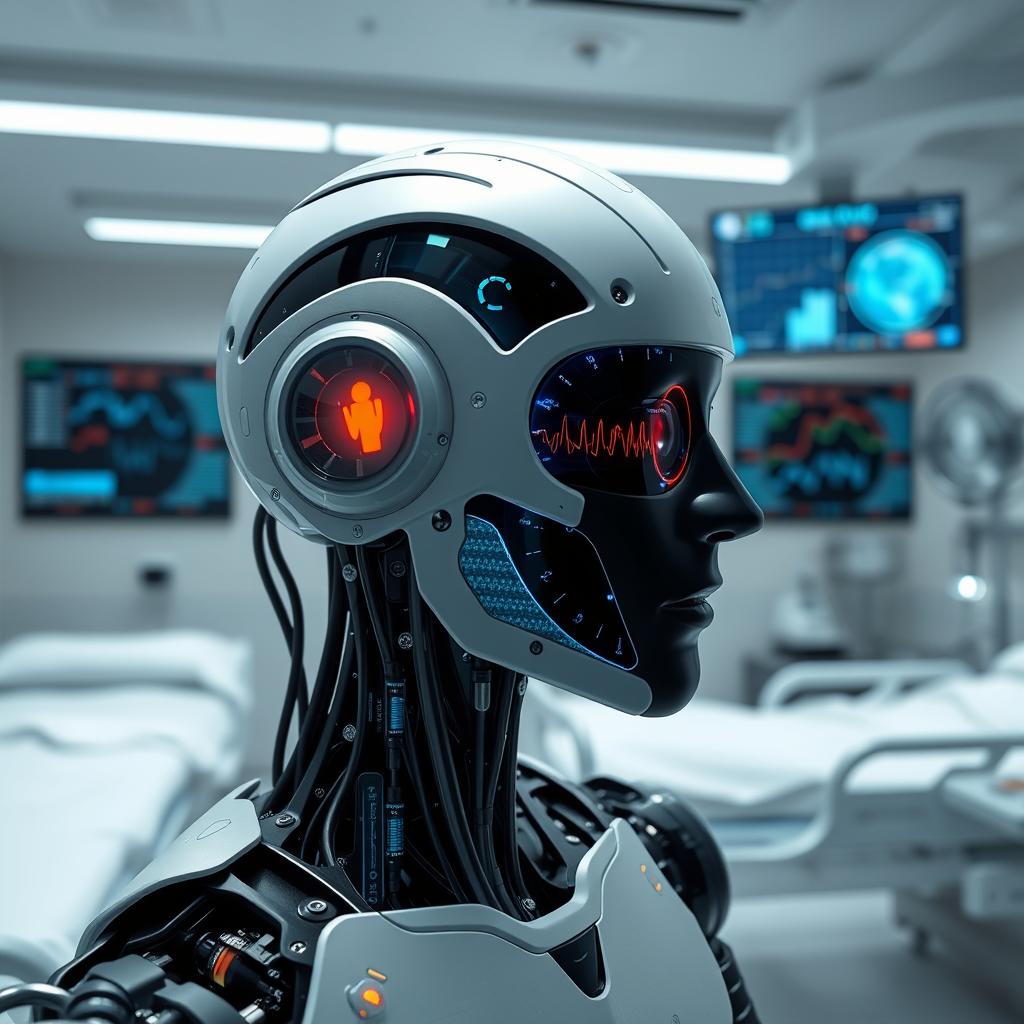
1. AI penetrates the clinical setting: limitations of traditional approaches
The clinical trial to date has been a “static” model that adheres rigidly to a predefined protocol. However, this paradigm does not suit artificial intelligence (AI) that learns and evolves autonomously. Although patient data accumulate in real time, the inability to update algorithms has prevented the immediate translation of cutting‑edge technology into practice—a longstanding challenge.
2. Embedding real‑time data and continuous updates into trials
The research team proposed a new protocol based on a continuous‑monitoring system to ensure that the AI model never stops learning. Therapeutic efficacy and adverse events are detected in real time, and the model is periodically updated once safety is confirmed. Throughout this process, data quality is strictly controlled and an automated risk‑detection system is activated, achieving both “speed” and “safety.”
3. Sustainable AI‑driven medical innovation: a shift in regulatory paradigm
Regulatory agencies now need to establish a “dynamic clinical‑trial framework” that permits flexible AI updates. This will not only facilitate technological advancement but also dramatically accelerate drug development and provide truly personalized medicine to each patient in real time.
4. Implications and outlook
In the future, AI‑based medical devices and therapies will continue to improve after approval, creating an era of “living treatments” that adapt to individual patient conditions. This model, in which technology and regulation evolve together, is expected to become the blueprint for a safer, smarter healthcare system.
Nature Medicine, Published online: 28 April 2026; doi:10.1038/s41591-026-04368-9 As artificial intelligence becomes embedded in clinical workflows, trials must accommodate ongoing monitoring and updates.
Even when cutting‑edge AI technologies emerge, complex regulatory procedures have forced patients to wait long periods before benefiting. By enabling AI therapies that evolve in real time, diseases can be treated faster and more precisely, allowing everyone to receive state‑of‑the‑art medical care without delay.