The Impact of mtDNA Variations on Cancer Metabolism and Immunity, and New Therapeutic Possibilities
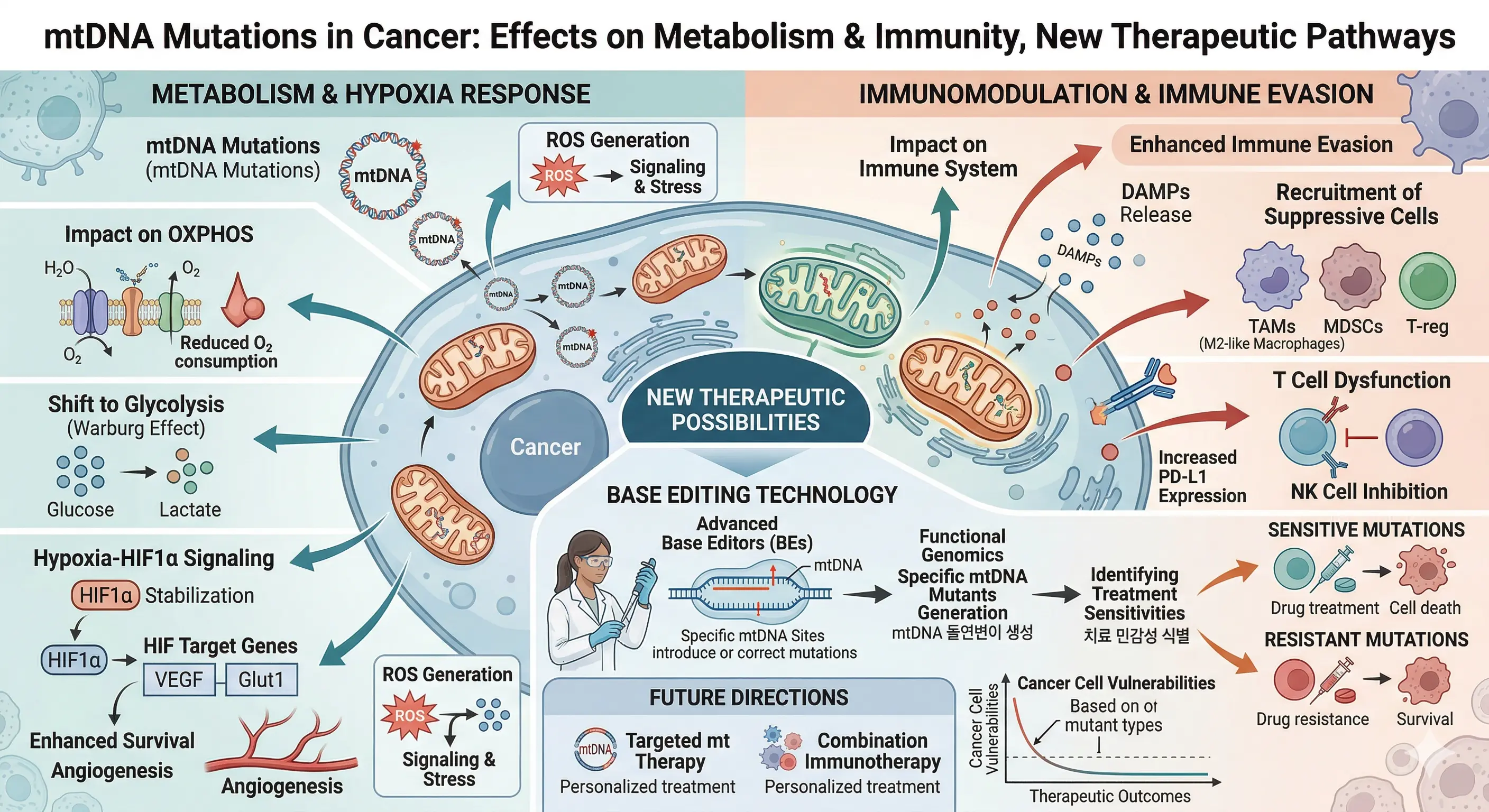
The notion that mitochondria are not just simple energy factories has recently gained attention. mtDNA variations have been discovered in various cancers, and these variations appear to influence the way cancer cells utilize oxygen and evade the immune system. With the latest base editing technologies, it is now possible to create and experiment with these variations directly. Therefore, researchers are gradually elucidating which variations make cancer cells more susceptible to treatment and which ones do not.
Mitochondria, once viewed mainly as cellular powerhouses, are now recognised as key regulators of cancer metabolism, redox balance, and immune interactions. While early models emphasised a switch to aerobic glycolysis, many tumours exhibit metabolic plasticity and retain oxidative phosphorylation capacity. Mitochondrial DNA (mtDNA) mutations are common across cancers, yet their roles in carcinogenesis and therapy response remain unclear. Emerging base-editing technologies, such as CRISPR, now enable modelling of these mutations, allowing the exploration of their impact on tumourigenesis, which may differ depending on mutation type, heteroplasmy, and tissue origin. mtDNA alterations also shape immune responses within the tumour microenvironment and therefore may influence treatment sensitivity. This review integrates recent advances on mtDNA's role in cancer biology and explores therapeutic opportunities for targeting mitochondrial metabolism, as reported in Nature Medicine.
This knowledge can change cancer treatment strategies at the mitochondrial level