mRNA m6A and YTHDF1 Regulate Learning and Translation
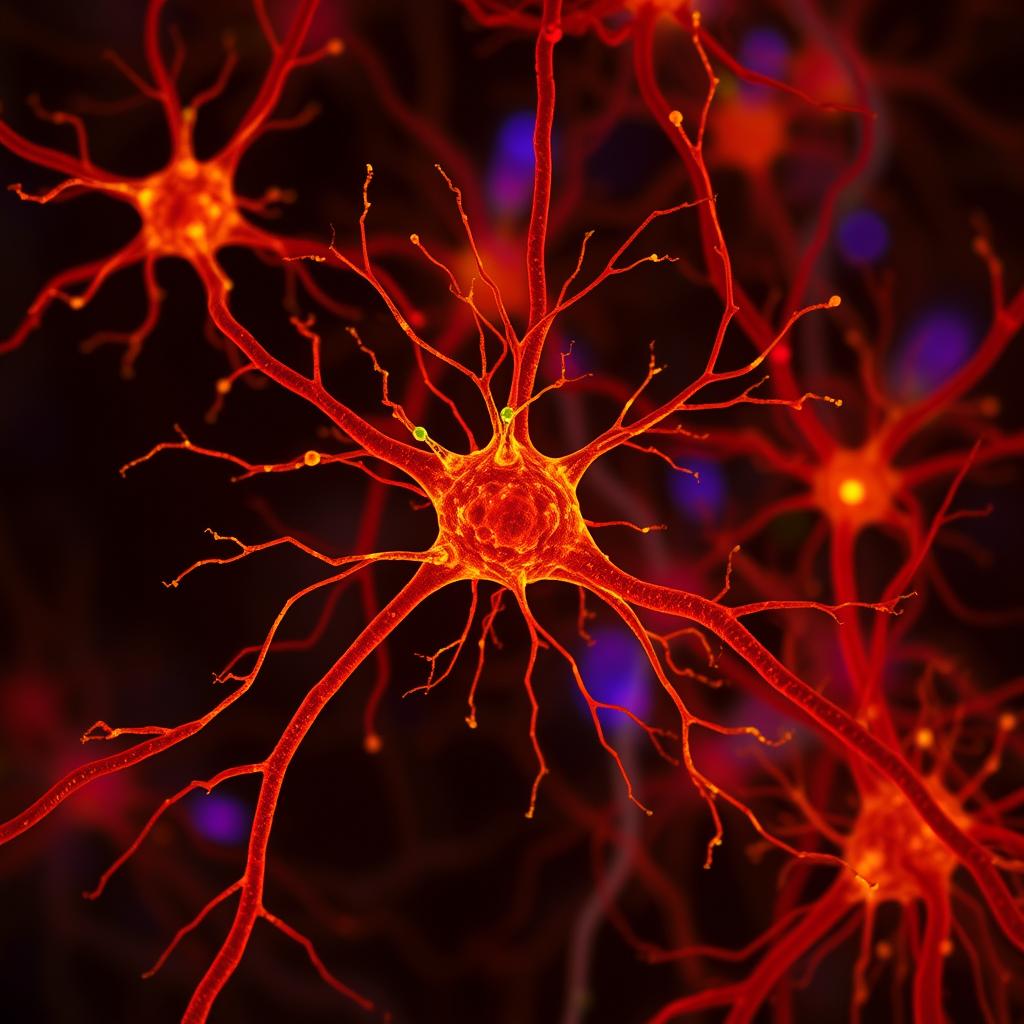
The Neural Plasticity of Learning, Where Does the Obstacle Lie?
Neural plasticity is crucial for learning new information, and if this process is not properly regulated, it can lead to memory impairment and mental disorders. Previous studies have primarily focused on the protein synthesis stage, but the preceding stage of mRNA translation regulation has not been fully elucidated.
m6A and YTHDF1, Finding the Hidden Switch of Translation
The research team manipulated m6A (N6-methyladenosine) and its reading protein YTHDF1 (YTH N6-methyladenosine binding protein 1) to track translation efficiency in real-time in neurons. They combined CRISPR-based epitranscriptomic editing and optogenetic activation techniques to model both normal and pathological learning situations.
Decisive Evidence that Translation Regulation Governs Learning
mRNAs rich in m6A were rapidly bound to ribosomes by YTHDF1, resulting in a surge in protein production, which significantly improved learning performance in long-term potentiation (LTP) and behavioral tests. In contrast, inhibiting YTHDF1 weakened memory formation in response to the same stimuli and alleviated pathological hyperplasticity in Alzheimer's disease model mice.
Future Implications and Prospects
This discovery provides a new molecular switch for regulating learning and memory, which could be a direct target for developing memory disorder treatments in the future. Additionally, m6A-based epitranscriptomic therapy is expected to pave the way for tailored regulation of neurological disorders.
Proceedings of the National Academy of Sciences, Volume 123, Issue 16, April 2026. SignificanceNeural plasticity is essential for learning and adaptation to environmental changes. However, maladaptive plasticity leads to neurological and psychiatric disorders. It is known that long-term plasticity requires new protein synthesis. By ...
By elucidating the fundamental molecular mechanisms that hinder our memory and learning abilities, we can open up new avenues for treating memory impairment and mental disorders, ultimately contributing to better learning efficiency and mental health in daily life.