Digital Wearables in Clinical Trials: Challenges Between the Expansion of Decentralized Research and Verification of Data Reliability
Background
Attempts to track the physical indicators of clinical trial subjects in real-time during the drug development process are rapidly increasing. Previously, researchers relied on intermittent methods, measuring a patient's blood pressure, ECG, or gait only during periodic hospital visits. These intermittent examinations revealed limitations in capturing symptom fluctuations in daily life or subtle changes in vital signs occurring during sleep.
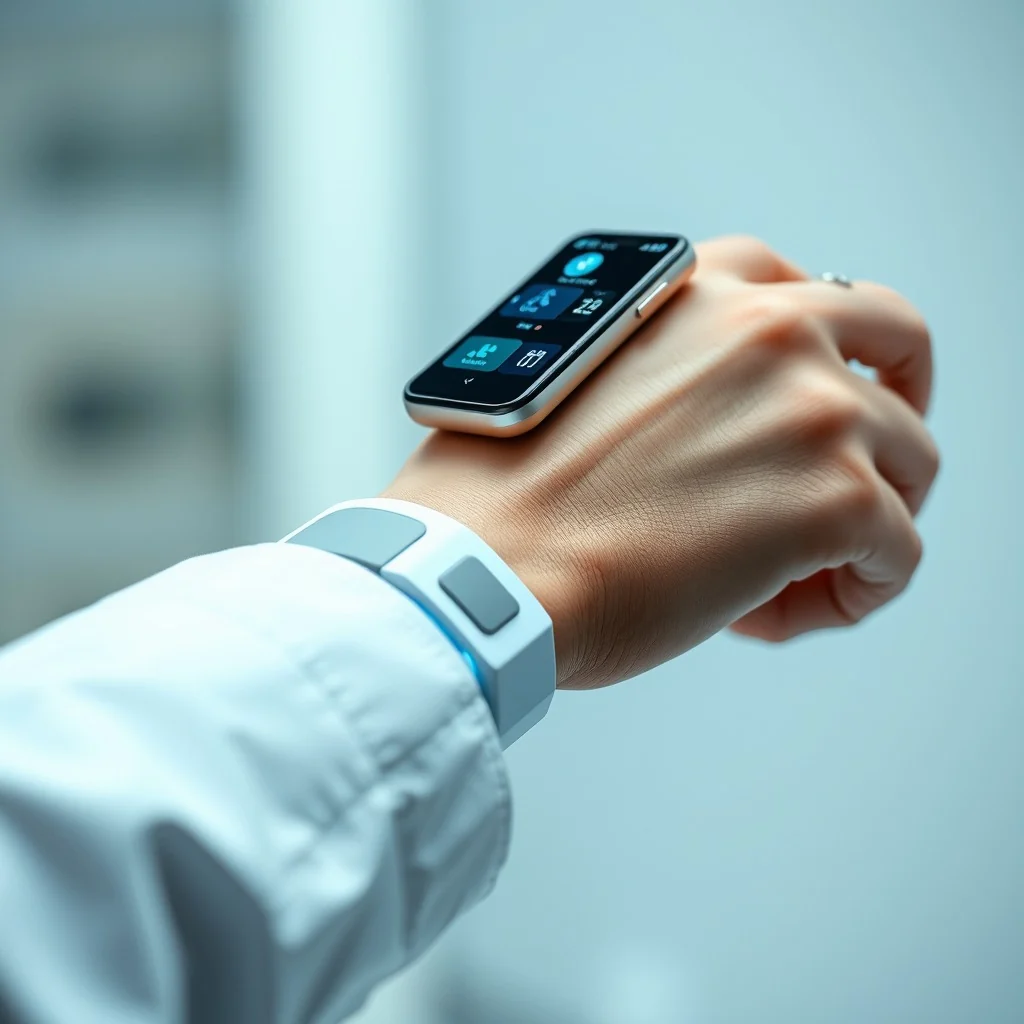
Consequently, digital wearables such as smartwatches, patch-type continuous glucose monitors, and sensor-embedded clothing have emerged as alternatives. As the Decentralized Clinical Trials (DCT) model, which collects continuous biological data in daily life without direct hospital visits, gains attention, the adoption of wearables is accelerating further.
However, in clinical research settings, questions regarding the scientific rigor of the collected data are continuously raised. The algorithms provided by commercial electronic device manufacturers are often in a 'black box' state and undisclosed, meaning that even when measuring the same physical movement, different results can be derived depending on the device manufacturer or software version. If the high level of data integrity and reproducibility required by regulatory agencies cannot be guaranteed, the continuous measurements collected at great expense face the risk of not being recognized as evidence for drug approval.
Key Findings
Recently, academia and industry have begun to intensify empirical analyses regarding the scientific validity and measurement errors associated with using Digital Health Technologies (DHT) as clinical endpoints. Researchers have confirmed that accelerometer-based physical activity measurement and Photoplethysmography (PPG)-based heart rate monitoring are vulnerable to various variables in everyday environments.
Typically, minute changes in wearing position, skin tone, ambient temperature, and decreased sensor sensitivity due to battery level cause noise in the raw signals. Looking at comparative studies on actual patient groups, the measurement agreement between hospital-standard wired equipment and commercial wearable devices maintains over 90% in a static state, but can plummet to below 70% during intense movement or irregular lifestyle patterns.
Beyond the issues of the measurement technology itself, patient compliance is also cited as a decisive factor determining data quality. Missing values occurring when clinical trial participants forget to charge the device or stop wearing it due to discomfort lead to biases concentrated in specific time periods. The researchers point out that because these missing data are not missing completely at random, there are technical limitations in restoring the disease progression without distortion through simple statistical correction alone. The conclusion reached is that for these to establish themselves as valid endpoints for submission to regulatory agencies, transparent verification of raw data processing algorithms and the establishment of standardized protocols must come first.
Meaning and Prospects
For digital biomarkers to be fully established in clinical research, both technological maturity and regulatory acceptance must be simultaneously enhanced. The U.S. Food and Drug Administration (FDA) and the European Medicines Agency (EMA) are successively updating guidelines on the use of wearable-based data, reflecting a trend that strictly separates and requires proof of clinical validation and analytical validation.
Future efforts will focus on establishing common data standards that remain robust in multi-center studies. Active development is underway for sensor calibration technologies to ensure data continuity despite device replacements or software firmware updates, as well as specialized machine learning models to accurately correct missing data patterns.
If these challenges are resolved sequentially, drug development efficiency is expected to improve dramatically in fields such as rare incurable diseases or central nervous system disorders, where long-term tracking of subtle symptom alleviation is required. Rather than relying on short-term trends, the ability to construct a sophisticated scientific verification framework will determine whether wearables can enter the next generation of clinical standards.
Nature, Published online: 16 September 2026; doi:10.1038/d41586-026-02844-3Digital wearables are increasingly being used in a research setting, but their scientific rigour and impact are subjects of debate.
This discussion directly impacts the development of treatments for neurodegenerative diseases such as Parkinson's disease or Alzheimer's disease. It is difficult to accurately determine drug efficacy simply by observing a patient's freezing of gait or fine tremors for a few minutes in a clinic. If 24-hour daily data can be collected using wearable devices, statistical significance can be achieved more rapidly while reducing the scale of clinical trial recruitment.
Global pharmaceutical companies need to shift their development strategies toward investing in consortia that jointly develop Digital Clinical Outcome Assessments recognized by regulatory agencies, rather than relying on the promotion of the device performance itself.