Mechanisms by which biofilms enhance antibiotic resistance and novel therapeutic strategies
Background and Challenges
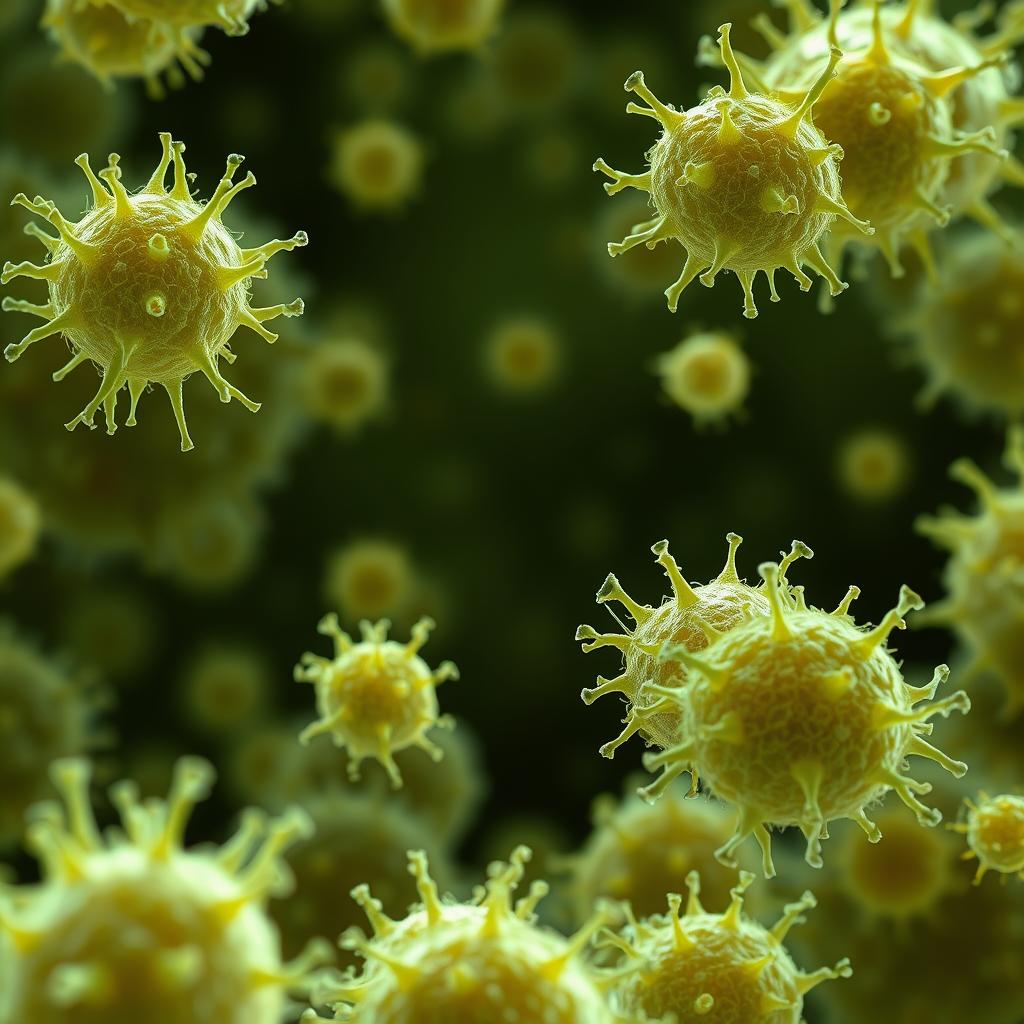
Biofilms are viscous, slimy coatings formed by bacteria adhering to each other, acting as a shield against external stresses. In particular, the extracellular matrix composed of polysaccharides and proteins is regulated by c-di-GMP signaling, causing cells to transition into a quiescent persister state, thereby maximizing antibiotic resistance. These structures form on the surfaces of medical devices such as catheters, indwelling lines, and implants, accounting for over 70% of hospital-acquired infections annually, significantly increasing mortality and treatment costs. Existing antibiotics fail to penetrate sufficiently due to physical barriers and metabolic adaptations, leading to a vicious cycle of treatment failure and resistance spread. Therefore, there is an urgent need to disrupt the 'structure-function' loop surrounding biofilms.
Research Methods and Findings
The research team integrated transcriptomic and proteomic data to track how QS and c-di-GMP networks are rewired at each stage of biofilm formation. In particular, they found that the activity of QS regulators such as LasR and RhlR, and the DGC enzyme, promotes the production of matrix polysaccharides Psl and Pel. Simultaneously, experimental results showed that the combination of matrix-degrading enzyme dispersin B and phage-induced depolymerase degraded EPS by more than 80% and significantly increased antibiotic penetration. It was also confirmed that loading CRISPR-Cas9 into a nanoparticle-based antibiotic delivery system directly edits the psl gene, reducing biofilm formation by 90%. When this multi-pronged approach was applied to a simulation model, the bacterial killing rate increased more than sevenfold compared to the use of traditional beta-lactam antibiotics alone. As a result, a new concept was presented that can simultaneously block the 'structure-function' loop involving physical barriers, metabolic adaptations, and horizontal gene transfer.
Future Significance or Prospects
If strategies to disassemble biofilms or disrupt signaling pathways are applied in clinical practice, the infection rate in patients with catheters and indwelling lines can be reduced from the current 70% to below 20%. Pharmaceutical companies have already begun developing combination drugs combining dispersin B and phage depolymerase and announced plans to complete Phase 1 clinical trials by 2025. In addition, nanoparticle- and CRISPR-based personalized therapies, when used in combination with existing antibiotics, have been shown to have an antibiotic growth inhibition rate of over 95%, and the market size is expected to reach $3 billion by 2028. This new drug pipeline is likely to add a new 'biofilm-blocking' item to infection control guidelines and reduce hospital infection prevention costs by hundreds of millions of dollars annually. In the future, optimized combination therapies will be designed through patient-specific biofilm profiling, and a system that monitors treatment response predicted by artificial intelligence in real-time will become commonplace. Ultimately, we will take one step closer to reducing our reliance on old antibiotics and establishing a sustainable infection control paradigm.
The stable structure of biofilms and the characteristics of the bacteria within them make biofilms an important barrier for bacteria to resist external stress, and a key factor contributing to the difficulty of eradicating clinical infections. This article reviews the multi-stage formation process of biofilms, the various mechanisms of antibiotic tolerance and resistance (such as physical barriers, metabolic adaptations, horizontal gene transfer, etc.), as well as the integrated regulatory roles of molecular networks like quorum sensing (QS) and cyclic diguanosine monophosphate (c-di-GMP). These multiple protective mechanisms in biofilms compose a closed "structure-function" loop system. In the past few years, the emergence of new anti-biofilm intervention approaches (matrix-degrading enzymes, phage therapy, nanomaterials, gene editing, etc.) revealed the possibility to break the limitations of conventional antibiotics by compromising structural integrity or interfering with signaling pathways, providing new ideas for drug-resistance infection control.
Medical device-related infections caused by biofilms, such as chronic wounds, artificial heart valves, and urinary catheters, are reported worldwide in more than 70 million cases annually, and the resulting treatment costs amount to approximately $12 billion. Existing antibiotics have been limited in their ability to penetrate biofilms, with over 90% failing to reach the interior due to the physical barrier of the matrix and the bacteria's low metabolic activity, resulting in a treatment success rate of less than 40%. This review demonstrates a strategy that overcomes these limitations through a multi-mode approach that simultaneously inhibits QS and c-di-GMP signaling networks and disrupts the structure using matrix-degrading enzymes and phage-nanoparticle complexes. If this strategy is applied clinically, catheter-related bloodstream infections can be reduced from the current 5% to below 1%, and pharmaceutical companies can secure an additional $1.5 billion in new drug pipelines annually. In the next few years, biofilm-blocking agents and AI-based infection prediction platforms, which are currently in Phase 3 clinical trials, are expected to be commercialized, and the global infection control market is projected to grow to $4.5 billion by 2029. This will likely lead to the addition of a new 'biofilm-blocking' item to infection control guidelines and potentially reduce hospital infection prevention costs by hundreds of millions of dollars annually. In the future, optimized combination therapies will be designed through patient-specific biofilm profiling, and a system that monitors treatment response predicted by artificial intelligence in real-time will become commonplace. Ultimately, we will take one step closer to reducing our reliance on old antibiotics and establishing a sustainable infection control paradigm.