Neurology Enters a New Era with Biological Definition: Central Nervous System Phenotype Reversal via Multimodal Data Integration and Next-Generation Precision Neuromedicine Architecture
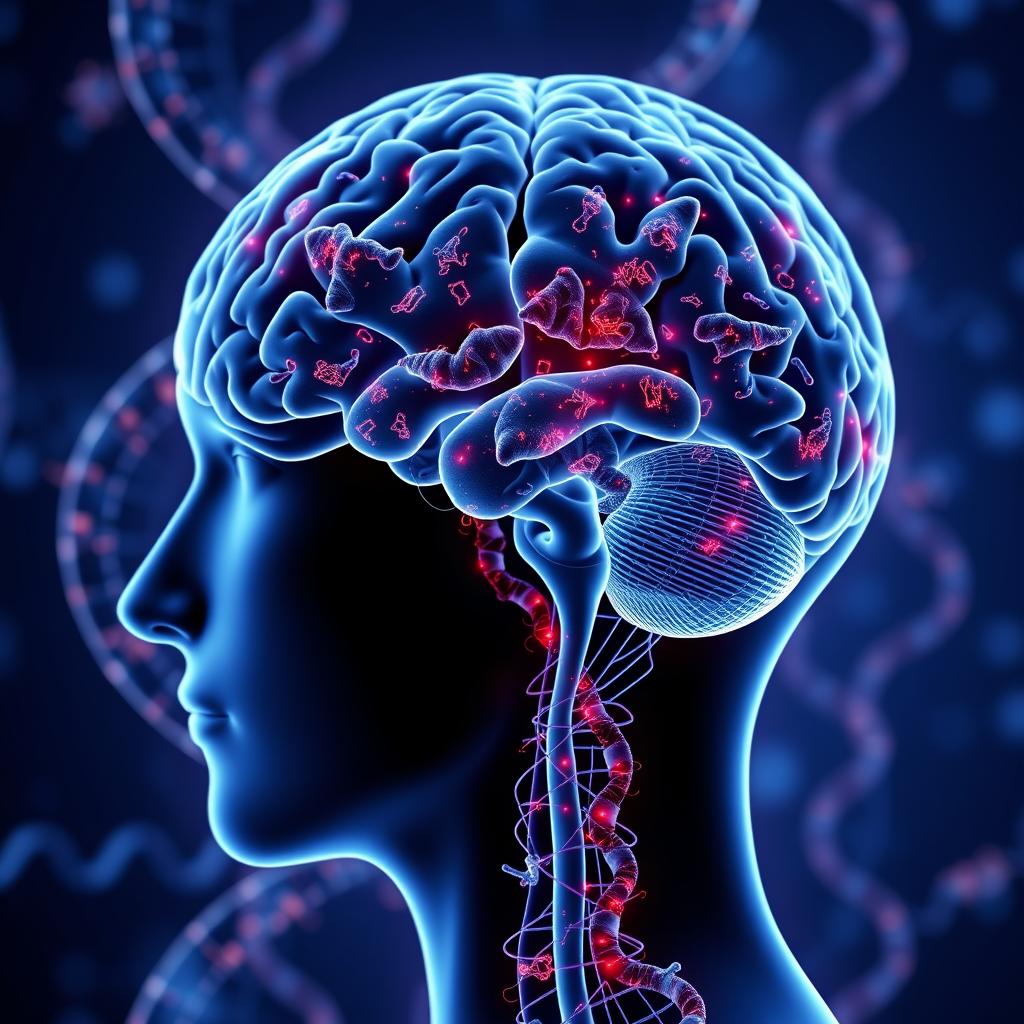
-
Limitations of Symptom‑Centric Syndromic Classification and Bottlenecks in Managing Neurodegenerative Intractable Diseases Accelerated population aging has elevated neurological disorders to the leading cause of disability worldwide, imposing a massive socioeconomic burden on health systems. However, existing neurology guidelines remain confined to clinical symptom descriptions and syndromic classifications, failing to quantify the molecular heterogeneity hidden behind morphological similarity. The inability to delineate dynamic correlations between genomic variants and pathological protein accumulation using precise computational pipelines has long obstructed fundamental etiologic elucidation and the rational design of reversible drug‑development pipelines.
-
Biological Re‑definition of Neurological Diseases through Integration of Molecular Omics and Imaging Genetics This study deployed a digital mapping framework that integrates whole‑genome genetics, high‑resolution molecular imaging, and precise biomarker matrices into a single layer to neutralize the classical symptom‑based taxonomy. By computationally merging single‑cell transcriptomic datasets from patient cohorts with spatiotemporal variability from PET and other modalities, we succeeded in defining disease prognosis in a biologically defined manner. This asset retrospectively traces effective concentrations of neurotoxic metabolites and receptor‑binding free energies within the brain in a virtual simulation environment, thereby empirically establishing the causal loop that reshapes disease natural history.
-
Reversible Control of Refractory Neurological Diseases via Immune‑Gene Hybrid Therapy Activation The identified molecular biophysical mechanism datasets were directly transplanted into customized immunotherapy and gene‑based therapy pipelines capable of altering the natural course of brain diseases previously deemed untreatable. The team employed AI‑optimized ligand design to dramatically increase blood‑brain barrier (BBB) permeability, and computed a micro‑neural heterogeneity score in blood to suppress off‑target genotoxic noise below baseline. This serves as the core computational architecture that directs stem‑cell therapeutics and adeno‑associated virus (AAV) vectors to dock selectively onto specific damaged circuits.
-
Establishment of Programmable Precision Neuro‑medicine Governance and Tiered Clinical Standards The integrated genomic and molecular target‑control matrix resets future neurology diagnostic standards from static observation systems to a programmable, personalized medical infrastructure that computationally balances individual genetic and molecular weights. During global regulatory‑trial phases, we implemented calibration‑coefficient protocols that filter microbiome and epigenetic false‑positive prognostic noise. The established multimodal indexing metrics will become the computational backbone that pre‑calculates valid CMC (Chemistry, Manufacturing, and Controls) thresholds for next‑generation digital health lines, and serves as a master reference to dramatically compress IND approval timelines for chronic degenerative brain disease therapeutics.
Neurological disorders are now the leading cause of disability worldwide, with profound consequences for patients, caregivers, and health-care systems. As populations age, the global burden of neurological disease will rise substantially. Yet neurology has transformed over the past two decades. Advances in genetics, molecular imaging, and biomarkers are shifting the field from being syndromic to biologically defined, reshaping disease management. Immunotherapies and gene-based approaches are beginning to modify the natural course of diseases previously thought untreatable.
The molecular discoveries of this study transcend a theoretical paradigm shift and are directly deployed into the global biopharmaceutical supply chain and tiered digital health business lines. First, by accelerating polymerase and nuclease (gene‑editing) mechanisms, we correct the degenerative silencing of genetic information that occurs during progression of intractable CNS diseases such as Alzheimer’s, Parkinson’s, and amyotrophic lateral sclerosis, thereby preserving the in‑vivo efficacy gap of next‑generation gene therapies that reversibly pulse‑modulate endogenous neuroprotective pathways. Concurrently, integration of a digital omics database enables virtual simulation of false‑positive environmental confounders during clinical trial design and real‑time back‑calculation of cerebral and systemic effective delivery concentrations of the investigational product, realized through an organoid‑paired diagnostic (CDx) panel interface. Furthermore, when multinational pharmaceutical companies conduct large‑scale pivotal trials of targeted brain‑disease therapeutics, linking participants’ molecular and imaging biomarker thresholds as calibration coefficients eliminates inter‑subject pharmacokinetic variability, thereby maximizing the probability of IND and companion‑diagnostic regulatory approvals across global agencies, functioning as a backbone infrastructure.