Autophagy Mechanisms Protecting Ocular Health: Prospects for New Therapies
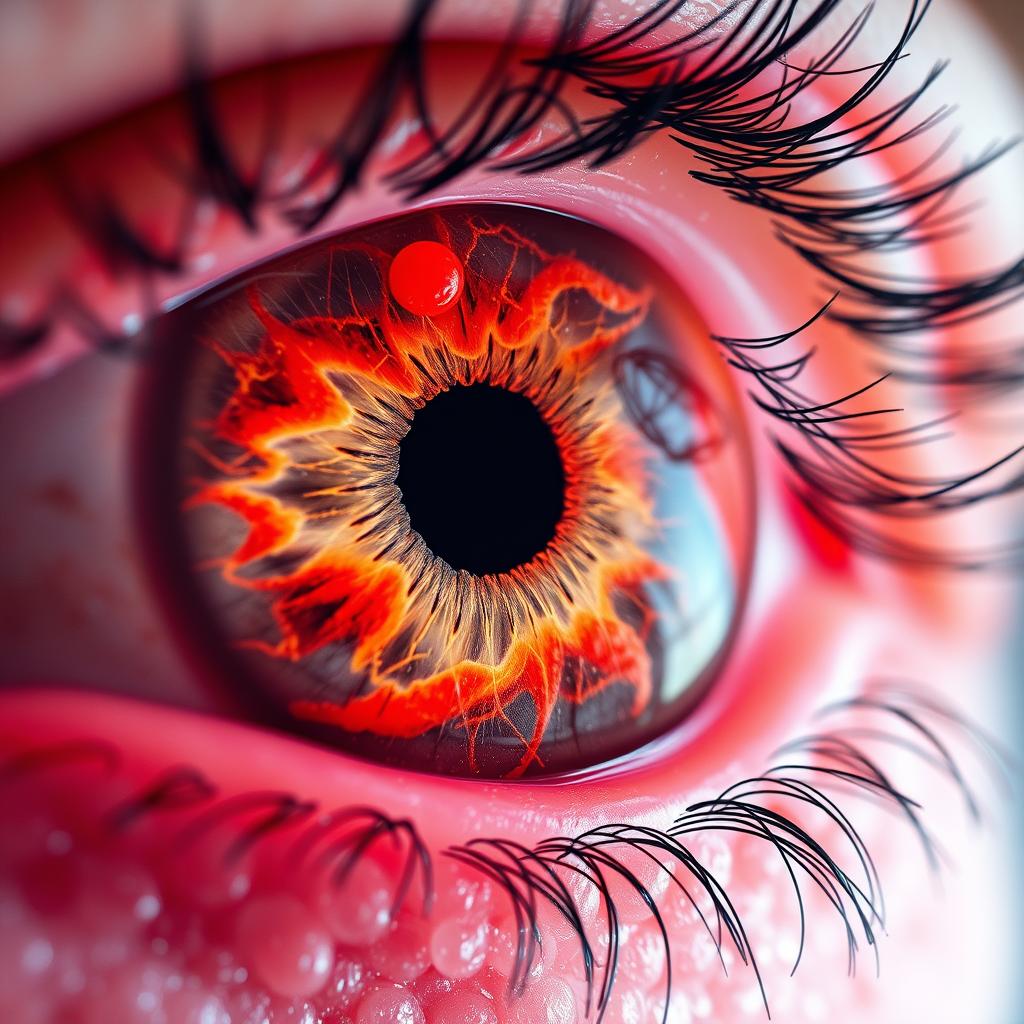
The Hidden Threat to Ocular Health: Autophagy Defects
The eye is a sophisticated organ for capturing light, but when autophagy function is disrupted, age‑related macular degeneration, glaucoma, and cataract can progress rapidly. These diseases pose a major challenge of vision loss.
The Eye’s Renovation Factory: Autophagy Preserves Ocular Tissues
The research team elucidated how autophagy supports transparency and cell survival in the lens, retina, cornea, and trabecular meshwork. Notably, autophagy plays a pivotal role in protecting retinal ganglion cells and modulating immune responses.
Therapeutic Innovation: Emerging Strategies to Modulate Autophagy Pathways
Various approaches—including mTOR inhibition, transcription factor EB (TFEB) activation, non‑coding RNA regulation, and gene editing—were reviewed, and the integration of AI‑assisted diagnostics was proposed to enable personalized therapy. These strategies are expected to restore defective autophagy circuits and fundamentally suppress ocular diseases.
A New Horizon for Future Ocular Therapies
If autophagy‑based treatments reach clinical practice, early diagnosis and preventive eye care could become routine, representing a turning point for preserving vision and markedly improving quality of life.
Autophagy is a self-digestive process in which cellular components are degraded and recycled to maintain homeostasis and cope with stress. When cells are in a state of stress, autophagy will degrade proteins, lipids and damaged organelles, and convert them into key nutrients and building cornerstones needed to maintain cell homeosis. More and more evidence shows that there is a link between autophagy process damage and the development of a variety of ophthalmic diseases that seriously threaten vision, including age-related macular degeneration, glaucoma and the formation of cataracts. Through a systematic review, we integrate experimental data covering basic biological mechanisms, genetic models and clinical evidence to clarify these pathological associations. With a focus on the mechanisms and regulation of autophagy in various ocular tissues and diseases, we analyzed research on autophagy in the lens, retina, cornea, and trabecular meshwork. Key findings elucidate the specific mechanisms of autophagy in maintaining lens transparency, promoting retinal ganglion cell survival, and regulating ocular immunity, demonstrating its critical role in preserving cellular equilibrium in ocular tissues. Furthermore, we evaluated potential therapeutic strategies targeting autophagic pathways, including mammalian target of rapamycin (mTOR) inhibition, transcription factor EB(TFEB) activation, noncoding RNA regulation, gene editing, and artificial intelligence-assisted diagnostics, which show significant promise for modulating autophagy to treat ocular diseases. The results of this review underscore the importance of autophagy in ocular health and disease.
This study precisely identified autophagy impairment that drives the progression of major ocular diseases such as age‑related macular degeneration, glaucoma, and cataract. Based on these findings, personalized therapies could prevent vision loss and substantially enhance quality of life.