Enhancing the Therapeutic Potential of Medicinal Plants: Functional Genomics and Biotechnology-Based Architecture for Large-Scale Production of Specialized Metabolites
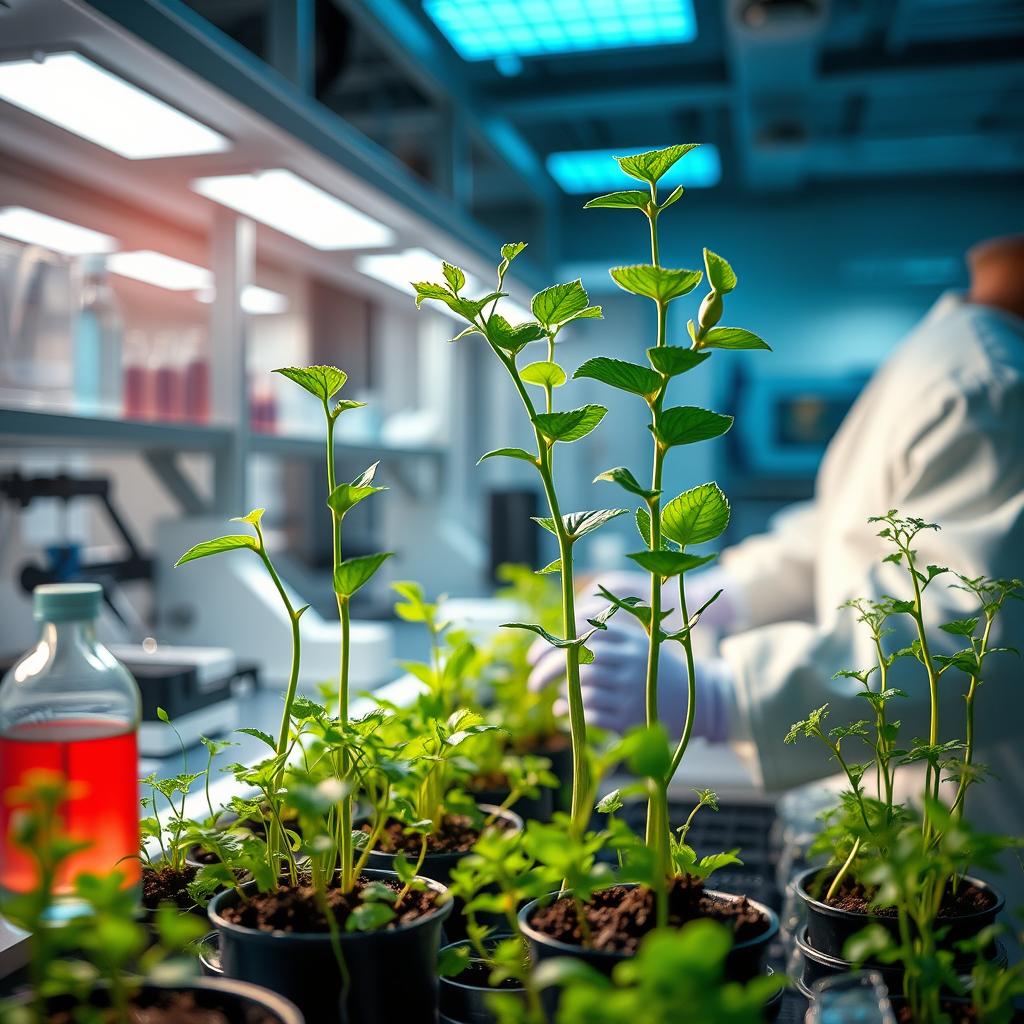
-
Limits of active‑ingredient yields in traditional medicinal plants and commercialization bottlenecks Medicinal plants have long served as sources of bioactive compounds and natural‑product drugs throughout human history. However, the specialized metabolites present in plant tissues are produced only in trace amounts in the wild, and their concentrations exhibit extreme variability due to extrinsic factors such as climate change and soil conditions. Consequently, the plants fail to meet the uniform quality standards and large‑scale supply requirements demanded by the modern pharmaceutical industry, creating a chronic technical bottleneck that prolongs lead times in new‑drug R&D pipelines. The lack of an integrated link between molecular‑level genetic decoding and scalable production systems has been a longstanding barrier to the sustainable commercialization of natural‑product‑derived medicines.
-
Computational mapping of secondary metabolic pathways using integrated omics and AI To bypass the limitations of conventional natural‑product screening and elucidate biosynthetic routes for active compounds, we deployed a multi‑omics framework that combines high‑throughput RNA sequencing with functional genomics. The team computationally decoded transcriptomic datasets obtained from specific developmental stages or stress conditions, pinpointing master enzyme gene variants that drive the biosynthesis of secondary metabolites. By integrating AI‑assisted predictive algorithms, we successfully pre‑mapped the kinetic weightings of complex enzyme reactions and the optimal trajectories of metabolic precursors within a computer‑simulation environment.
-
Explosive increase in active‑compound yields via CRISPR editing and synthetic biology platforms To operationalize the identified genetic backbone, the team employed CRISPR/Cas9 genome‑editing tools to implement metabolic‑engineering strategies within plant cells. By disabling competing pathways, we re‑directed metabolic flux toward the target molecules and successfully transplanted the engineered gene cassettes into heterologous hosts within a synthetic‑biology platform. This resulted in a disruptive uplift of per‑cell yields and catalytic turnover for key pharmacophores such as the antimalarial precursor artemisinin, therapeutic cannabinoids for refractory diseases, the anticancer agent taxol, and the immunomodulatory ginsenosides. Moreover, we validated the integrity of a scalable production system that extends from laboratory bench to pilot‑plant scale.
-
Digital paradigm shift in the value chain of natural‑product therapeutics The integrated biotechnology control matrix resets the guidelines for natural‑product drug R&D from resource‑intensive wild cultivation and crude extraction to an “in silico, computer‑design‑driven, programmable bio‑manufacturing infrastructure.” This creates a unique engineering moat that lowers the cost of high‑value API production while minimizing external environmental burdens such as habitat disruption and soil contamination. The established functional‑genomics predictive algorithms serve as a computational backbone that instantly derives optimal metabolic concentrations from previously uncharacterized plant genome inputs, functioning as a master reference that can exponentially compress the global regulatory approval timeline for next‑generation natural‑product therapeutic pipelines.
Plant Biotechnology, Published May 2026.
Summary: Resolving the historical supply bottlenecks and yield volatilities that have restricted the pharmaceutical translation of specialized plant metabolites, this comprehensive framework integrates functional genomics with scalable synthetic biology architectures. By optimizing high-throughput RNA sequencing matrices alongside artificial intelligence-assisted pathway predictions, the platform constructs discrete metabolic maps governing the synthesis of key bioactive leads. Utilizing target CRISPR/Cas9 gene editing protocols to execute precise metabolic engineering, researchers successfully redirected biosynthetic fluxes into high-performance yeast and heterologous expression systems. This programmatic intervention achieved robust yield improvement for medicinally critical inputs—including artemisinin, cannabinoids, ginsenosides, and taxol—advancing structural production velocity from micro-scale engineering setups into validated, scalable pilot plant operations.
The biotechnological discoveries reported herein transcend theoretical technology accumulation and are directly applicable to real‑world biopharmaceutical supply chains and natural‑product drug‑development business lines. First, by dramatically reducing the manufacturing cost of critical, supply‑fragile APIs such as artemisinin and taxol and by eliminating the ecological impact of wild harvesting, we establish an economic moat for a sustainable API supply network. Simultaneously, the integration of AI predictive models with CRISPR editing enables virtual simulation of the synthetic trajectories of plant‑derived compounds, creating a customized molecular‑farming platform that artificially amplifies target‑compound concentrations. Furthermore, when multinational pharmaceutical companies advance next‑generation plant‑derived synthetic drugs into clinical trials, our computational filtering of inter‑cell‑line genetic expression variability eliminates false‑positive batch deviations in large‑scale production, thereby maximizing the likelihood of IND submissions and emergency‑use authorizations from global regulatory agencies.