Defrosting the “Cold” Enemy of Immune Checkpoint Inhibitors: Targeting STK11 Mutations with CRTC2 Inhibition
1. STK11 Mutations: The “Cold Tumor” that Starves Immune Cells
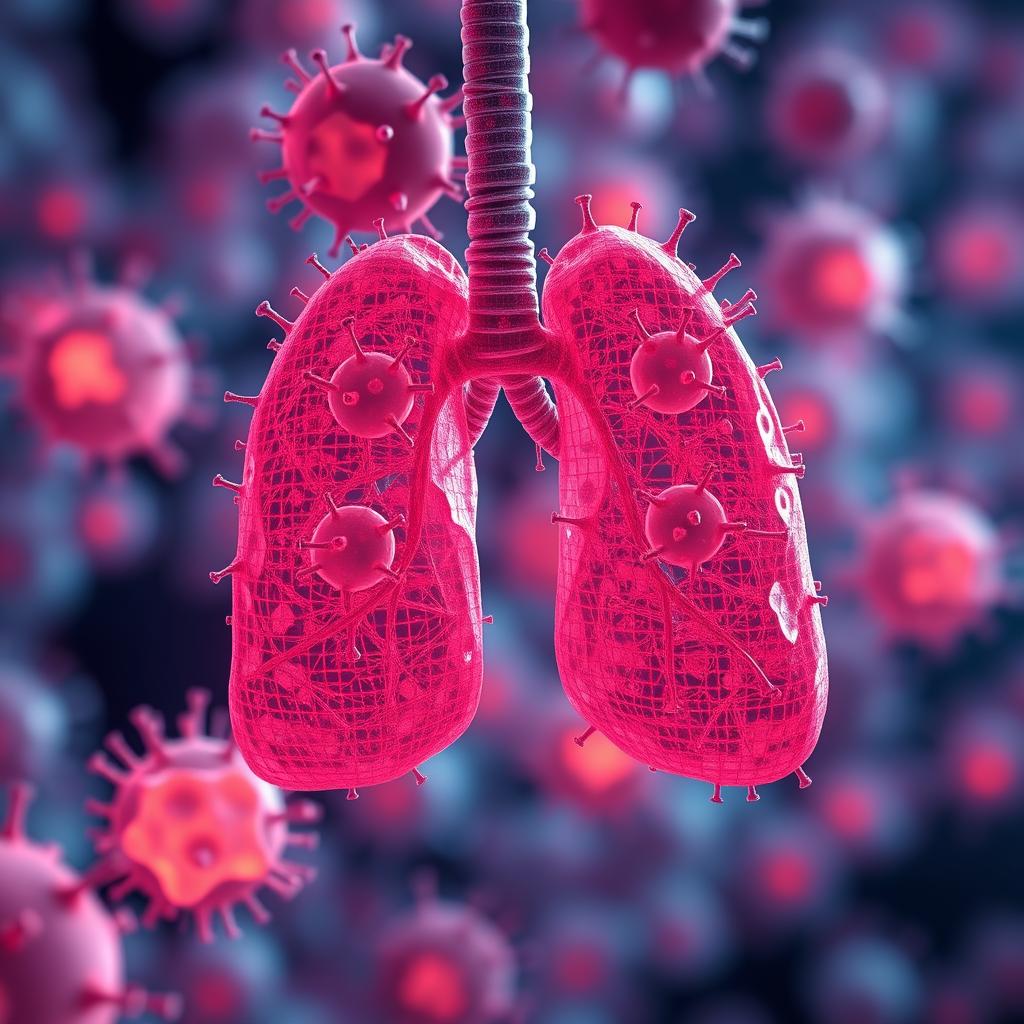
STK11 mutations, found in roughly one out of every five patients with non‑small cell lung cancer (NSCLC), have long been a vexing problem for clinicians. When present, they generate a “cold tumor” microenvironment in which immune cells cannot infiltrate the tumor niche, conferring strong resistance to even the most effective immune checkpoint inhibitors (PD‑1/PD‑L1 blockers).
2. CRTC2: The Command Center of Tumor‑Mediated Immune Suppression
The research team traced the failure of immune activation after loss of functional STK11 to the transcriptional co‑activator CRTC2, identifying it as the culpable driver. Under normal conditions, STK11 protein restrains CRTC2 activity; however, STK11 mutations disable this checkpoint, allowing CRTC2 to become hyperactive and broadcast immunosuppressive signals throughout the tumor microenvironment.
3. Overcoming Resistance: CRTC2 Inhibitors Open the Closed Door
Experimental results were highly encouraging. Genetic editing or pharmacologic blockade of CRTC2 rapidly converted the previously cold peritumoral milieu into a “hot tumor.” Previously excluded T cells re‑entered the tumor mass, and PD‑1 blockade—previously ineffective—now demonstrated robust antitumor activity.
4. Clinical Outlook: Low Toxicity, High Efficacy
Preclinical studies in mouse models showed that this combination strategy dramatically suppressed tumor growth without inducing severe toxicities. This safety‑efficacy profile provides a compelling rationale for forthcoming human clinical trials and raises expectations for positive outcomes.
Proceedings of the National Academy of Sciences, Volume 123, Issue 17, April 2026. Significance Inactivating mutations of the STK11 gene, found in about 15 to 20% of non‑small cell lung cancer (NSCLC) patients, are predictive of clinical resistance to PD‑1/PD‑L1 inhibitors and are associated with changes in the tumor immune ...
"Immune checkpoint inhibitors are ineffective" was a devastating diagnosis for patients harboring STK11 mutations. By re‑activating the immune system in a mutation‑specific manner, these patients now have a renewed therapeutic opportunity. This approach could enable many more lung‑cancer patients to reap the benefits of low‑toxicity immunotherapy and regain a healthy, normal life.