Self-Expanding Coronary Artery Duct Reducer SERRA-I Clinical Trial Initiated
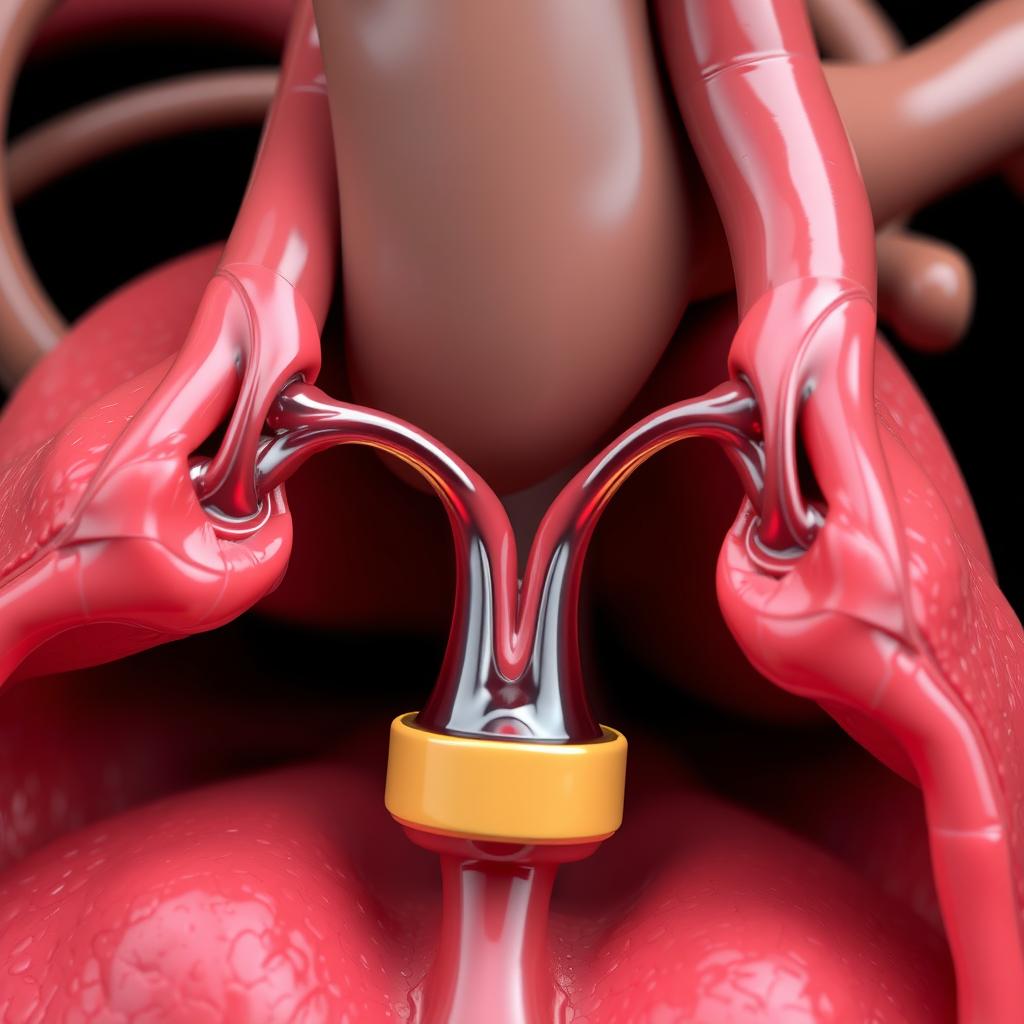
Clinical Design Overview
SERRA-I is an early feasibility study sponsored by VahatiCor, Inc., launched in April 2026 and currently enrolling. The phase is not specified, and the primary objective is to evaluate the safety and clinical performance of the A‑FLUX reducer. The target population comprises patients with symptomatic coronary microvascular dysfunction (CMD) seeking relief from angina‑like symptoms.
Target Patient Population and Therapeutic Need
CMD patients have no large‑vessel disease but experience chest pain and reduced quality of life due to microvascular circulation impairment. Existing therapies are insufficient, creating a need for a novel physical approach.
Differentiation from Existing Therapies
Current CMD management relies mainly on pharmacologic treatment and lifestyle modification, which do not directly modify hemodynamics. The A‑FLUX reducer is a self‑expanding device implanted in the coronary artery duct that modulates pressure to increase microvascular blood flow through a physical mechanism.
Market and Investment Perspective
CMD accounts for approximately 30% of all angina patients and lacks clear therapeutic options. Successful clinical outcomes could enable VahatiCor to address an unmet market and enhance the investment appeal of device‑based therapies.
The physical blood‑flow enhancement mechanism of the A‑FLUX reducer provides a differentiated therapeutic option, offering strong growth potential upon market entry. As new device development and clinical operations accelerate, demand for experts and clinical research personnel in related fields is expected to increase.
Source: ClinicalTrials.gov (api_ct)