U.S. Food and Drug Administration Releases Draft Guideline to Minimize Animal Testing for Cancer Therapies
Background
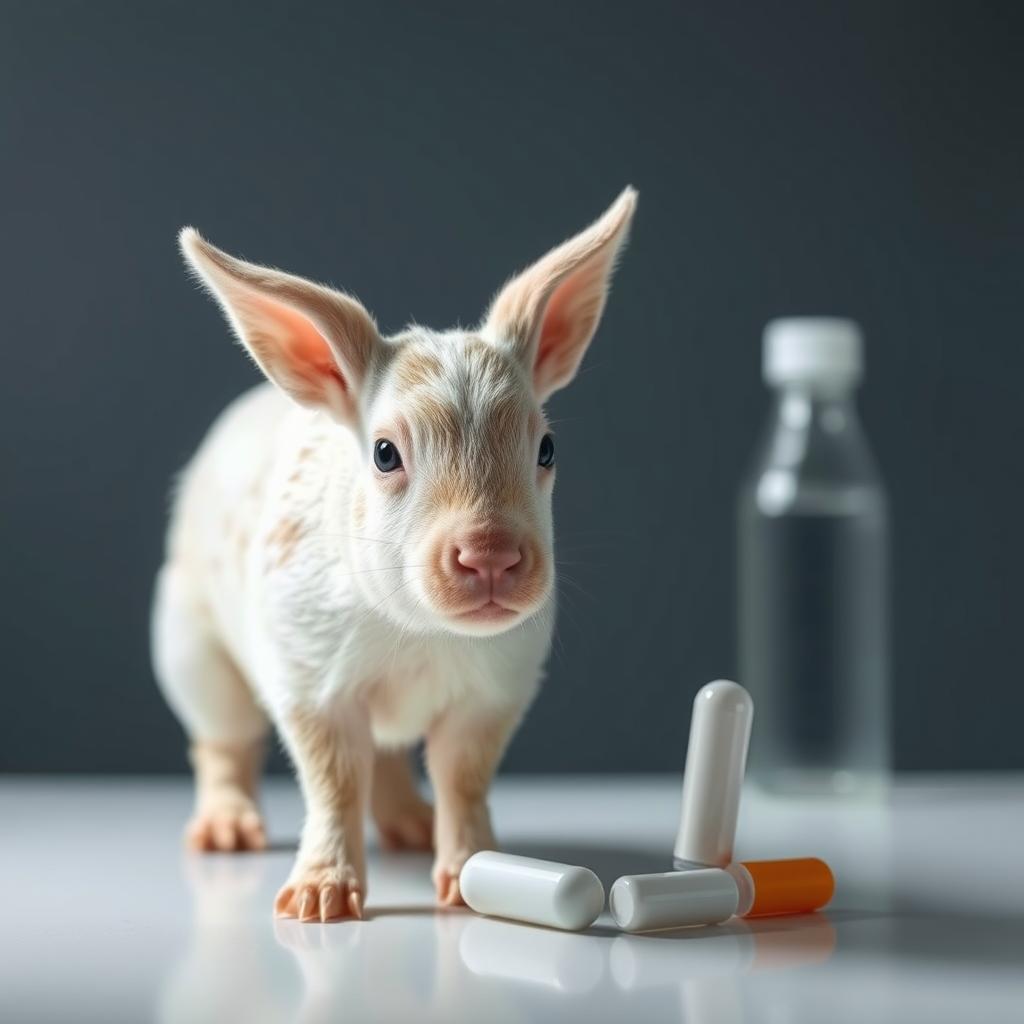
The FDA recently released a draft aimed at reducing unnecessary animal testing in non‑clinical safety assessments of cancer therapeutics. Currently, many drug candidates incur substantial cost and time during the animal testing phase. This situation hampers development timelines and extends the period required to recoup investment. Consequently, regulatory easing is seen as critical for enhancing research efficiency.
Key Provisions
The guideline recommends that, for certain cancer therapies, alternative methods—such as human‑cell‑based assays and computational modeling—be employed in place of animal studies. These alternatives can yield results more reflective of human physiology. Minimizing animal testing is expected to reduce ethical concerns and lower research expenditures. This approach may also improve data quality at the non‑clinical stage.
Industry Implications
Cancer therapeutics represent a global market worth billions of dollars annually. Reducing animal testing costs can lower early‑stage development expenses, thereby lowering entry barriers for small‑ and medium‑sized biotech firms. Faster drug approvals could also improve patient access. Large pharmaceutical companies that have traditionally relied on animal studies may need to adjust their research strategies.
Expected Benefits and Challenges
If the regulatory easing is implemented, it is anticipated that costs could be reduced by 20–30% while maintaining data reliability prior to clinical trials. However, validation and standardization of alternative methods must precede adoption, and close collaboration between regulators and industry is essential. Once the guideline is finalized, companies are likely to restructure their research pipelines, which could positively influence fundraising and partnership opportunities.
Lower animal testing costs reduce overall development expenses, improving return on investment. Competence in employing alternative methods will become increasingly required.