Phase 1 Clinical Trial of Human Placenta-Derived Cells in Patients with Peripheral Artery Disease and Diabetic Foot Ulcer Completed
Clinical Design and Objectives
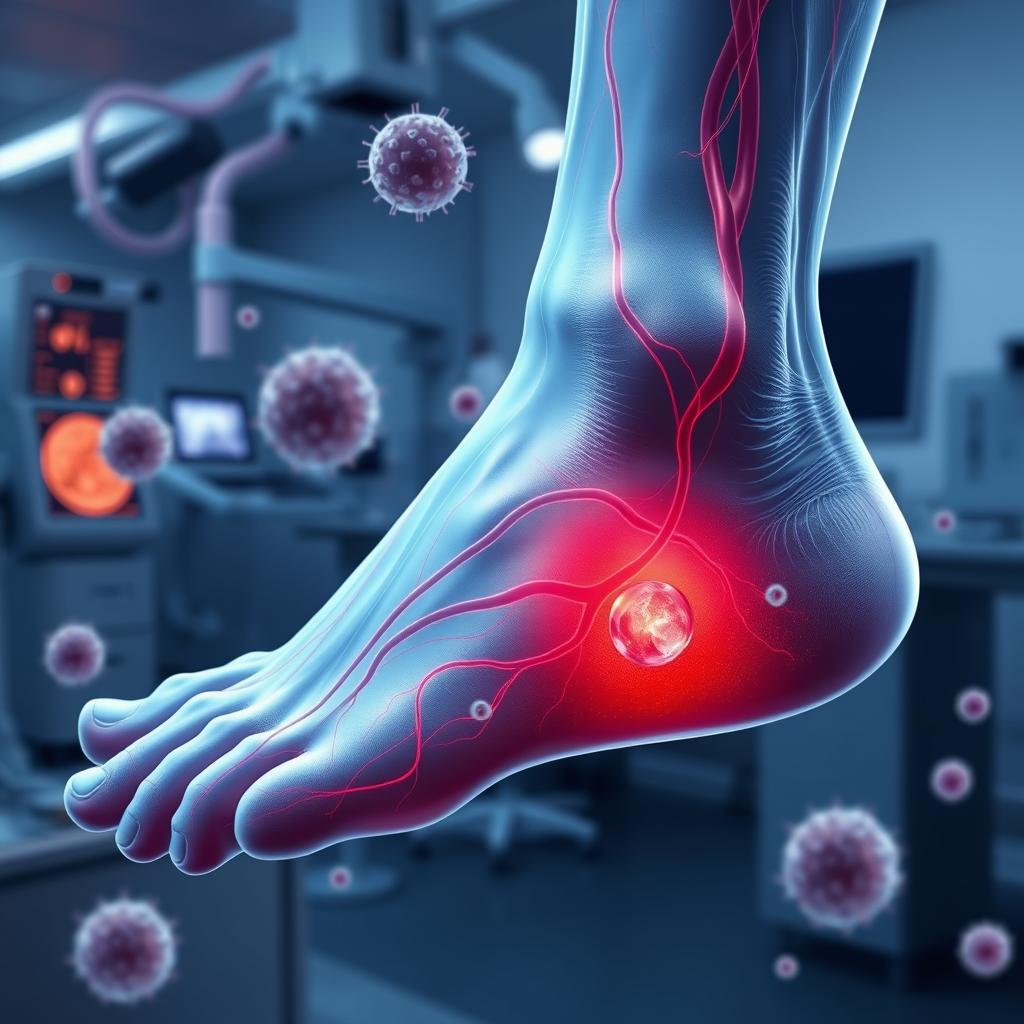
This Phase 1 study was conducted as a multi-center, open-label, dose-escalation trial, evaluating the safety and tolerability of intramuscular administration of the human placenta‑derived cell product (PDA‑002). The enrolled population comprised patients with both peripheral artery disease (PAD) and diabetic foot ulcer (DFU). The trial commenced on May 23, 2013, and has now been completed. Although a Phase 1 trial, the design aimed to early assess the feasibility of applying the therapy in a real‑world clinical setting that includes patients with comorbid conditions.
Current Treatment Landscape and Differentiation
PAD and DFU are challenging to treat due to reduced perfusion and delayed wound healing. Standard of care currently includes revascularization procedures, antiplatelet therapy, and wound management. However, limited re‑perfusion and slow wound closure increase the risk of prolonged hospitalization and amputation. PDA‑002, a human placenta‑derived cell product with immunomodulatory and angiogenic potential, offers a regenerative‑medicine approach that is distinct from existing therapies.
Cell Therapy Mechanism of Action
The placenta exhibits low immunogenicity and is rich in multiple growth factors, making it an attractive source of cells for tissue regeneration. Intramuscular delivery of PDA‑002 is intended to enhance local perfusion, suppress inflammation, and potentially stimulate neovascularization at the wound site. This mechanism may impact the microvascular level that is difficult to reach with conventional pharmacotherapy.
Industry Impact and Future Outlook
Based on the Phase 1 results, Celularity is likely to pursue an expanded Phase 2 trial design and seek additional financing. Positive safety data would bolster confidence in its clinical pipeline and could drive an increase in corporate valuation within the regenerative‑medicine sector. Conversely, any safety concerns could negatively affect regulatory and market perception of cell therapies more broadly, warranting careful monitoring.
The acquisition of safety data in this Phase 1 trial enhances the commercial viability of the human placenta‑derived cell platform, increasing its attractiveness to investors. Professionals seeking to enter or advance within the regenerative‑medicine field can monitor the trial’s progress to strengthen their expertise and explore collaboration opportunities.
Source: ClinicalTrials.gov (api_ct)