GLP-1 May Treat Depression by Promoting the Growth of Mood-Improving Gut Microbes
Background
GLP-1 drugs, such as semaglutide and tirzepatide, have achieved global success as treatments for diabetes and obesity. Initial research suggests that these peptide drugs may also affect the nervous system, in addition to regulating blood sugar and reducing weight. As a result, there is growing interest in their potential applications in the field of mental health, beyond their existing indications.
Clinical Observations
Some clinical trials have reported that GLP-1 drugs have antidepressant effects, while other studies have linked them to worsening mental health and an increased risk of suicide. These contradictory findings suggest that the effects may vary depending on the patient population, dosage, and duration of treatment. Therefore, further research is essential to clarify the exact efficacy and risks.
Gut Microbiome Association
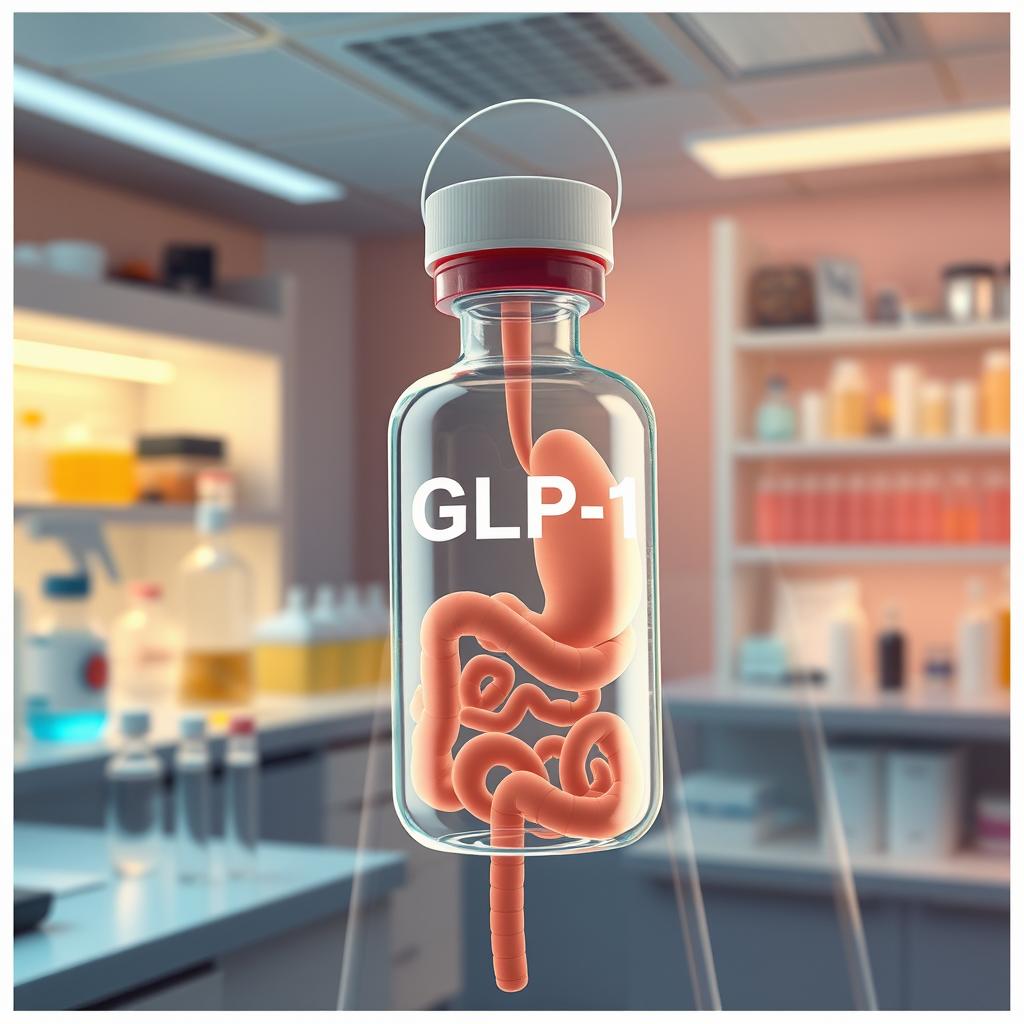
Recent research suggests that GLP-1 drugs may promote the growth of specific gut microbes, particularly strains known to improve mood. The gut microbiome is known to influence brain function through the production of neurotransmitters and immune regulation. It is hypothesized that GLP-1 may alter this microbial environment, potentially contributing to the alleviation of depression.
Market and Regulatory Implications
If GLP-1 drugs are approved for the treatment of depression, their market size could expand beyond the current obesity and diabetes markets to include the mental health sector. At the same time, if the risks of side effects are not clearly identified, regulatory agencies may strengthen labeling requirements or restrict their use. Companies need to pursue both clinical data acquisition and risk management strategies to manage these uncertainties.
Future Research Directions
Large-scale, randomized controlled studies and mechanistic analyses of changes in the gut microbiome are needed. In addition, the development of biomarkers could enable the prediction of which patient populations will experience antidepressant effects, enabling personalized treatment. This research could open up opportunities for collaboration between pharmaceutical companies, academia, and microbiome startups.
The potential of GLP-1 drugs for the treatment of depression offers a new driver for revenue growth beyond the diabetes and obesity markets, increasing their investment appeal. However, there are concerns about side effects and regulatory risks, so supporting companies with strong research and risk management capabilities will be beneficial for career growth.
Source: FierceBiotech (rss)