FDA Publishes List of 503B Registered Facilities, Including Fagron (FAGR), and Strengthens GLP-1 Compounding Regulations
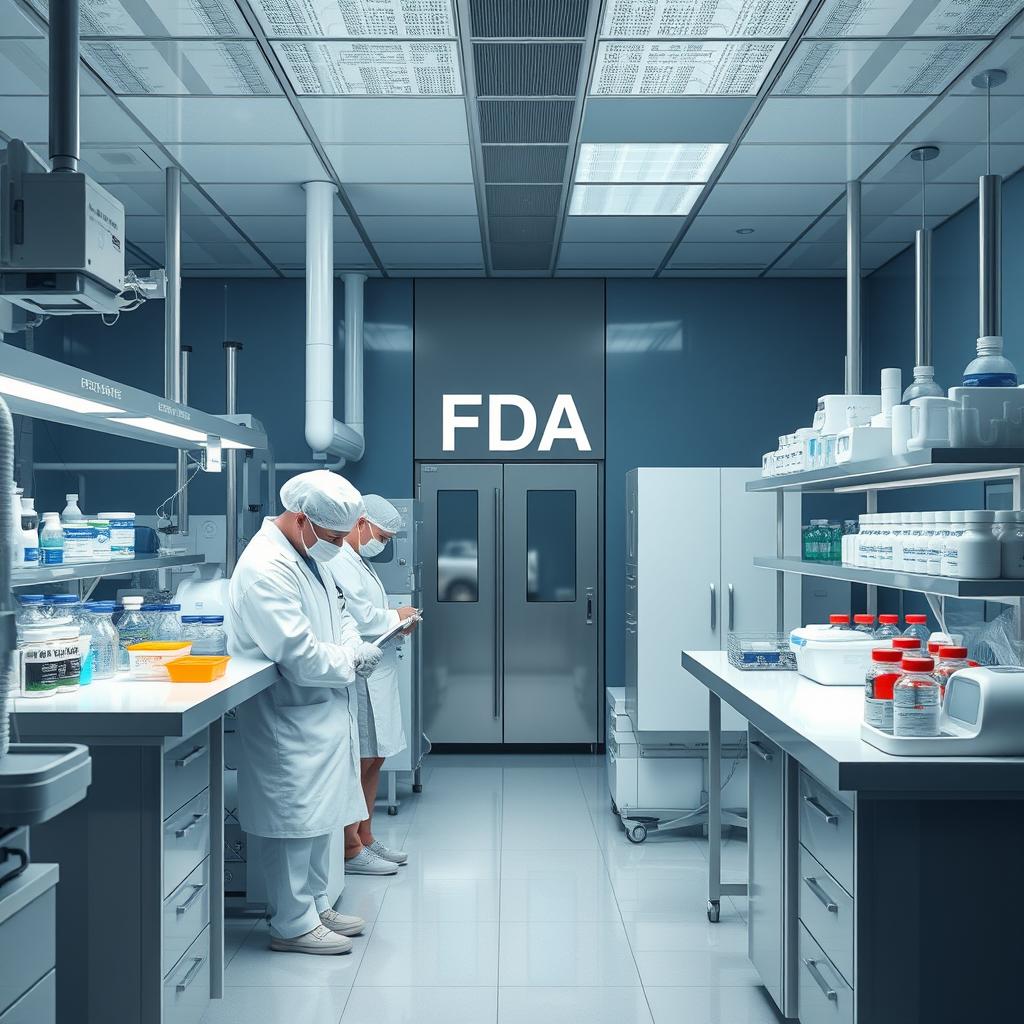
Disclosure of 503B Outsourcing Facility List and Regulatory Background
The U.S. Food and Drug Administration (FDA) has released an updated list of Registered Outsourcing Facilities (ROFs) registered under Section 503B of the Federal Food, Drug, and Cosmetic Act (FD&C Act). This action aims to enhance the safety of compounded drugs by increasing transparency regarding facilities that comply with stricter current Good Manufacturing Practice (cGMP) regulations, which were reinforced after the enactment of the Drug Quality and Security Act (DQSA) in 2013. This is a significant milestone that will further solidify the market position of specialized compounding companies like Fagron NV (FAGR), which supply large volumes of sterile injectables to major hospitals and healthcare systems. Market participants anticipate that the increased costs of complying with these regulations will act as a barrier to entry, accelerating the exit of smaller, non-registered facilities.
Resolution of GLP-1 Supply Shortages and Transformation of the Compounding Market
The official shortage of Semaglutide and Tirzepatide, GLP-1 receptor agonists that have seen tremendous global demand as treatments for obesity and diabetes, has been resolved. In response, the FDA has proposed new regulations that would completely remove these substances from the 503B Bulk List, effectively blocking large-scale compounding pathways. This is a proactive measure to protect the intellectual property rights of original developers such as Novo Nordisk (NVO) and Eli Lilly (LLY) and to prevent quality degradation and adverse event risks associated with the uncontrolled distribution of generic compounded drugs. Hospitals and patients will no longer have easy access to low-cost 503B compounded GLP-1 drugs, and will instead be forced to return to the market for approved brand-name drugs.
Size and Growth Prospects of the 503B Outsourcing Compounding Market
The U.S. 503B outsourcing compounding market is estimated at approximately $1.25 billion to $1.35 billion in 2025/2026, with a steady annual growth rate of 7.6%. This growth is driven by the explosive increase in demand for sterile injectables and intravenous fluids due to the aging population, and by the trend of healthcare systems seeking to avoid the high risks associated with in-house compounding. The total market size is expected to expand to approximately $2.4 billion to $2.6 billion by 2034, and the introduction of robotic automated production lines is expected to become a key competitive advantage. However, the restriction on the compounding of high-margin drugs such as GLP-1s will inevitably create some pressure on outsourcing compounding companies to diversify their revenue streams in the short term.
Relationship Between Original Pharmaceutical Companies and Compounding Companies, and Future Impact
Previously, 503B facilities benefited greatly by capitalizing on the chronic supply shortages of original brand-name drugs such as Eli Lilly's (LLY) Zepbound and Novo Nordisk's (NVO) Wegovy. With the normalization of regulations, original pharmaceutical companies will be able to fully succeed in defending their patent rights and preventing revenue leakage, thereby solidifying their dominant position in the market. On the other hand, outsourcing compounding companies led by Fagron NV (FAGR) will face increased pressure to comply with new cGMP regulations and will need to focus more on securing contracts for the supply of traditional essential medicines, such as hospital-specific anesthetics and sterile surgical injectables, to fill the gap in their high-margin pipelines. In the long term, the market is likely to see significant consolidation, with the top few large companies that demonstrate excellent regulatory compliance capabilities dominating the market.
The FDA's publication of the 503B outsourcing facility list and the proposed restrictions on GLP-1 compounding are key drivers in reshaping the $1.3 billion U.S. outsourcing compounding market. In the short term, the resolution of supply shortages for marketed obesity treatments such as Eli Lilly's (LLY) and Novo Nordisk's (NVO) Wegovy, coupled with the ban on 503B facilities compounding GLP-1 generics, will maximize the revenue protection for original pharmaceutical companies. In the medium to long term, large outsourcing compounding companies with cGMP capabilities, such as Fagron NV (FAGR), are expected to further consolidate the market, leveraging the 7.6% market growth rate to dominate the supply chains for essential medicines and sterile injectables. Researchers and healthcare professionals welcome the enhanced compounding safety resulting from the prevention of illegal raw material sourcing, but need to prepare for the potential increase in healthcare costs due to higher compounding costs.
Source: FDA Drug Approvals (rss)
http://www.fda.gov/drugs/human-drug-compounding/registered-outsourcing-facilities