FDA Initiates Negotiations for BsUFA IV (2028-2032) with Sandoz, Amgen, and Others
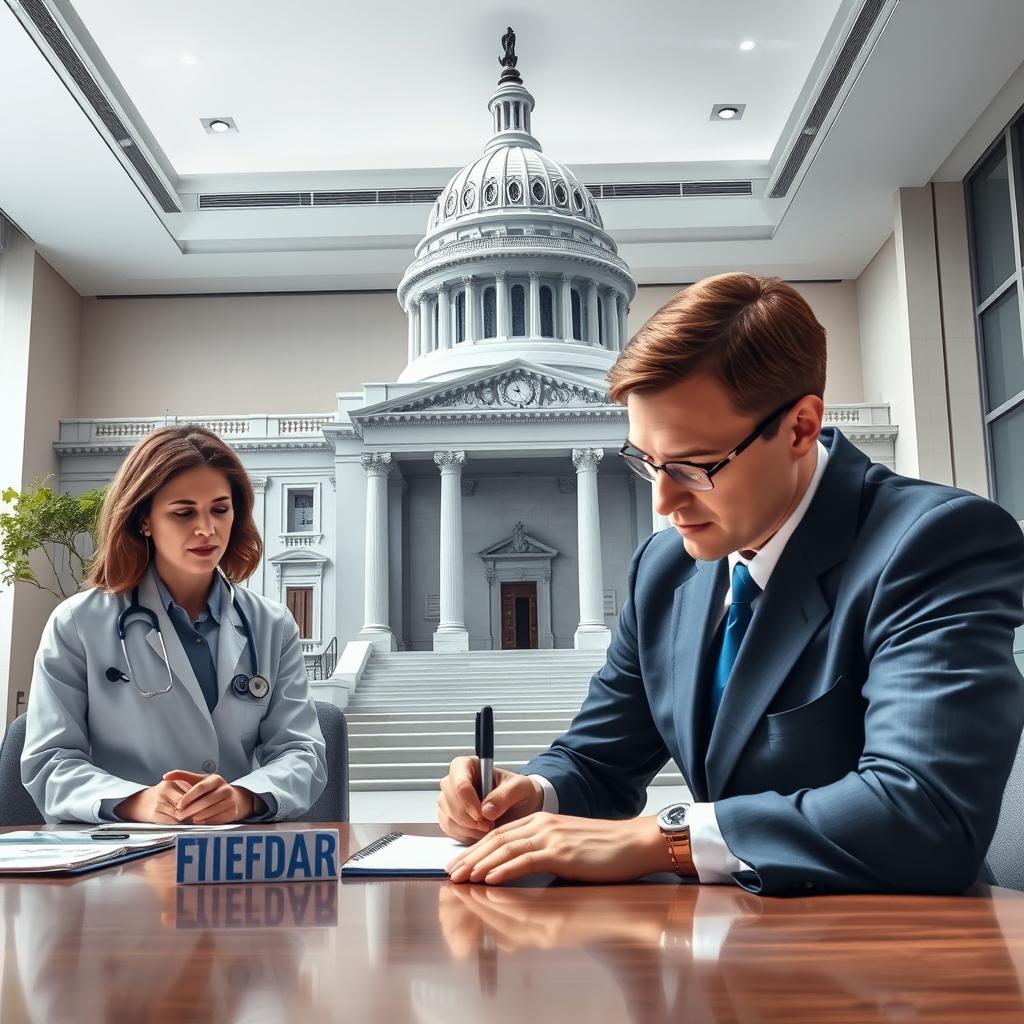
Securing Key Resources for Biosimilar Reviews
The U.S. Food and Drug Administration (FDA) and industry stakeholders have commenced formal negotiations for the reauthorization of the Biosimilar User Fee Act (BsUFA) IV, which will apply for the fiscal years 2028-2032, following the expiration of BsUFA III in September 2027. The User Fee Program is a critical funding source that supports the FDA in securing expert personnel and expanding its IT infrastructure by having companies cover a portion of the review costs. These fees account for up to 60% of the FDA's biosimilar review budget, and delays in reauthorization could lead to significant regulatory risks, including review delays. This BsUFA IV negotiation is the first step in ensuring predictability for reviews over the next five years and stabilizing the pharmaceutical supply chain, drawing significant attention from the industry.
Key Issues in the 2028-2032 Fiscal Year Negotiations
According to meeting minutes from the FDA and industry negotiations that began in the spring of 2026, the proposed amendments focus on streamlining reviews and reducing barriers to entry. In particular, the proposal includes eliminating existing Biosimilar Development (BPD) fees and integrating them into a simplified application fee structure to alleviate the financial burden on startups. The introduction of Goal Dates, which clearly define the target approval dates for products awaiting approval in line with the expiration of the original patent, is also under discussion. This will help reduce regulatory uncertainty and accurately predict product launch dates, enabling the development of early commercialization strategies.
Opportunities and Challenges for Global Biosimilar Companies
This revision will have an immediate impact on the pipeline strategies of major biosimilar developers such as Sandoz (SDZNY), Amgen (AMGN), and Pfizer (PFE). Increased regulatory predictability will facilitate the design of cost-effective pathways in the later stages of development, which require significant clinical costs. However, increases in review fees reflecting inflation or the introduction of new fees could pose an immediate burden on the cash flow of smaller developers. Therefore, companies should strengthen communication with regulatory authorities and utilize pre-meeting mechanisms to shorten the development period in line with the requirements of the proposed amendments.
Global Market Activation and Improved Patient Access
The global biosimilar market is projected to grow rapidly to $60.36 billion by 2026, driven by the expiration of patents for blockbuster drugs. Streamlining reviews through BsUFA IV and clarifying the criteria for interchangeable biosimilar approvals will encourage price competition and induce changes in prescriptions within the U.S. Furthermore, the establishment of regular meetings with patient and consumer groups during the negotiation process will serve as an opportunity to institutionalize patient-centered efficacy verification. The rapid introduction of biosimilars that replace original drugs will reduce the burden on national healthcare budgets and improve access to treatment for patients with rare diseases.
The initiation of this BsUFA IV negotiation is a significant regulatory milestone, as it will redefine the review speed and cost structure of the global biosimilar market, which is expected to reach $60.36 billion by 2026. In the short term, the proposed elimination of Biosimilar Development (BPD) fees will have a direct impact on alleviating the initial financial barriers for large companies such as Sandoz (SDZNY) and Amgen (AMGN), as well as for small and medium-sized bio-ventures in Phase 1/2 clinical trials. In the medium to long term, the introduction of Goal Dates linked to the expiration of original patents will maximize the predictability of the launch dates for biosimilars of blockbuster drugs such as Humira and Stelara. Investors will be able to more accurately assess the R&D risks and corporate value of new drug developers based on this revision, and companies will be able to re-establish cost-effective clinical design strategies early on. Furthermore, the introduction of regular meetings with patient and consumer groups will lower the regulatory barriers for interchangeable biosimilars and accelerate market entry.
Source: FDA Drug Approvals (rss)
http://www.fda.gov/industry/biosimilar-user-fee-amendments/bsufa-iv-fiscal-years-2028-2032